



Chemical Controversies

Greenpeace’s ‘double standard’ on lab-created seedless watermelons and GMOs
[Editor's note: Myles Power is a chemist in Manchester, England. Read the GLP profile of Greenpeace here.] Last year [2016], I ...
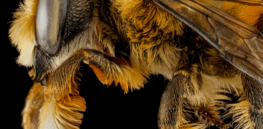
Scientists challenge Center for Biological Diversity report claiming wild bees near extinction
An environmental group's report grabbed headlines for claiming 1 in 4 wild bee species is at risk of extinction. Many ...

Non-GMO Wild Turkey whiskey? Latest absurd food label illustrates hypocritical anti-GMO cancer fears
[Editor’s note: Kevin Folta is a molecular biologist and chair of the horticultural sciences department at the University of Florida.] [April 2, ...

Putting cancer risk in perspective: Random errors in DNA replication bigger factor than diet, lifestyle choices
[Editor's note: Jayson Lusk is a professor in the Department of Agricultural Economics at Oklahoma State University.] [E]ven if you eat ...
Oregon considers new restrictions, labels for neonicotinoid insecticides over bee health concerns
Neonicotinoid pesticides, which critics blame for death and illness among pollinators, would be subject to new restrictions and labeling rules ...

How we can preserve biodiversity while maintaining agricultural yields, meet nutritional demands
[Editor's note: Claire Kremen is a professor of conservation biology at University of California, Berkeley, where she also co-directs the Center for Diversified ...

Video: Facts, fears and future of GMOs—in a nutshell
GMOs are one of the most controversial areas of science. Genetic engineering is used in many fields, but even though ...

Opposition to Dow-DuPont merger emerges among major farmer group
[Editor's note: The National Farmer's Union is the second largest general farm organization in the country. It represents more than 200,000 ...

Talking Biotech: What environmental hazards remain from accidental release of GMO grass seeds?
Oregon State's Carol Mallory-Smith says transgene flow from Roundup Ready bentgrass to non-GMO grass species offers lessons for regulators ...
Non-GMO movement plagued by ‘rampant sexism’, critic says
It’s no secret that [moms are] among the most coveted demographics of the non-GMO marketing machine. Jeffrey Smith, one of ...

Potato pest developing resistance to neonicotinoid insecticides
The potato industry may be losing a mainstay in the battle against [the plant-feeding insect] psyllids, according to a recent ...

Plant probiotics: Genetic switch in plants could trigger soil bacteria to increase crop yields
Scientists at the University of North Carolina at Chapel Hill have pinpointed a key genetic switch that helps soil bacteria ...

Ripen on demand? New generation of GMO crops could dramatically increase yield
Farmers could one day control when their crops ripen after the development of modified rice that flowers on demand. Despite ...

Extreme Green hypocrisy? Center for Biological Diversity, other anti-GMO groups partner on March for Science
[Editor's note: The following is an open letter to the Center for Biological Diversity regarding their participation in the "March ...
Worst 10 list: Advocacy groups that put ideology ahead of science on food and farming issues
Which organizations promote ideology over science in the debate over crop biotechnology? The list includes some of the most well-known ...

Herbicide glyphosate now labeled ‘carcinogenic’ under CA’s Prop 65—Law that some say ‘only benefits lawyers’
The state of California can now require Roundup to have a label on it stating that it is a possible ...

Is post-Brexit Britain poised to embrace less political, more science-based approach to regulating pesticides?
[Editor's note: The following is a briefing paper on bees and neonicotinoids by the House of Commons Library, a library ...

Monsanto, corporations accused of ‘buying scientists’ to place fake news in academic journals
[Editor's note: Paul Thacker is a consultant to nonprofits critical of GM technology. He is well known for his personal attacks on ...

UK farmer: Here’s how the herbicide glyphosate helps me farm sustainably
[Editor's note: Ian Pigott is a farmer in Harpenden, UK. Located just 20 miles from the center of London, he grows ...

How Republicans and Democrats could work together to streamline biotech regulations
[Editor's note: Greg Jaffe is director of the Project on Biotechnology at the Center for Science in the Public Interest.] On ...

Dow, DuPont merger clears hurdle with approval by European Union
The European Commission has given the go-ahead to the merger of US chemical giants Dow Chemical and DuPont. The deal ...
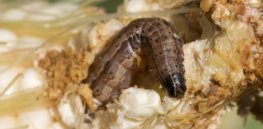
Field trial shows insect-resistant GMO corn could help African countries fend off armyworm outbreak
Scientists have warned that the armyworm currently ravaging parts of Uganda could enter Kenya anytime, spelling doom for its stressed ...

EPA deserves some respect: Environmental regulations should be refined, not dismantled
Primarily in Europe, but increasingly in the US, junk science and activist manipulation diminish the scientific integrity of the regulatory ...
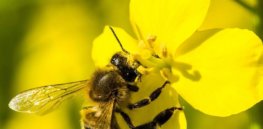
EU leaning toward permanent ban of neonicotinoid insecticides, citing ‘acute risk to bees’
The world’s most widely used insecticides would be banned from all fields across Europe under draft regulations from the European ...

Talking Biotech: Should consumers fear use of hormones, antibiotics, trace chemicals and GMOs in our food?
From marketers to activists, there is an effort to shame consumers over the use of modern technologies, such as genetic ...
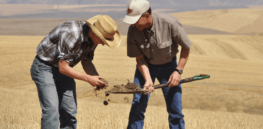
Why it’s time to end the ‘farmers versus environmentalists’ fight and work together
[Editor's note: Suzy Friedman is the senior director of agricultural sustainability at the Environmental Defense Fund.] On paper, I appear ...
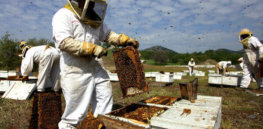
Canadian farmers, beekeepers: Neonicotinoid replacement ineffective, bad for bees
A proposed replacement for a key neonicotinoid pesticide is proving unpopular with everyone — including farmers and beekeepers. Farmers adopted ...
