


Chemical Controversies

GLP Facts & Fallacies Podcast and Video: Curing ‘incurable’ leukemia? Cowardly corporations; Glyphosate hasn’t tainted school lunches
A new gene-editing technique known as base editing may have helped doctor's cure a young girls "incurable" cancer. Why are ...

Neonicotinoids are restricted or banned in some European countries. Why is it so hard to find safer and more effective alternative pesticides?
The [French] government has just issued a decree authorizing, by way of exemption, the use in 2023 of sugar beet ...

Viewpoint: Precautionary near zero-risk standard is an impossible policy stifling European innovation and productivity. Here’s a safe alternative
After 30 years of squandering the peace dividend, deindustrialising economies and ignoring facts and evidence in their ideology-driven policies, Western ...
‘Mania of zero risk’: How environmentalists inflame concerns about farm chemicals, increasing anti-GM food rejectionism and the degradation of waterways
Food Watch warns, wrongly, that trace amounts of mineral oil can get into our food and seriously endanger consumers, calling ...

Viewpoint: Why an EU ban on crop pesticide exports based on the misguided precautionary principle will hurt global farming
In France, on September 10, 2020, Le Monde headlined: ”The EU has authorized the export of more than 80,000 tonnes of ...

Viewpoint: Glyphosate and other ‘toxic herbicides’ in school lunches? Food Chain Radio hosts disinformation specialist Zen Honeycutt
School lunches might not be the perfect sustenance, I don't know. When I was in school, the institutionalized food was ...
Drivers of food security: European Commission report concludes chemical pesticides pose challenges to EU farmers
An intensive agricultural model “based on chemical pesticides” is likely to pose a food security threat due to a loss ...

Video: ‘Media bashing of pesticides is hysteria wrapped around a kernel of truth’: Rethinking essential crop protection tools
Headlines about agriculture chemical use aren’t always the most kind to the industry. And while these headlines may be flashy ...
Viewpoint: Not a single peer-reviewed study supports the EU’s politically-induced pesticide bans — Why Africa should avoid the disastrous restrictions imposed and then rescinded by Sri Lanka
NGOs funded by Germany’s Green Party distribute rounds of videos starring local celebrities holding up tomatoes and sukuma wiki stating ...

99%+ of 10,127 foods test below EPA pesticide benchmarks, USDA reports
USDA’s Pesticide Data Program has just released its report for calendar year 2021. The PDP surveys pesticide residues in food ...
Potato farming experts push back on restrictive EPA pesticide regulations
Interacting with EPA staff and sharing the complexities of producing a high-quality, high-cost potato crop for U.S. consumers and customers ...
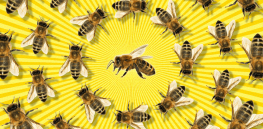
Viewpoint: Pollinator ecotoxicologist on how much danger current pesticides pose to honeybees
Dan Schmehl is a pollinator ecotoxicologist for Bayer, who has done some incredible work testing the effects of potential new ...

Pesticides are critical to grow food, but concerns are widespread. Here’s why they are overblown – and a look at the cutting-edge RNA genetic tools designed to reduce health risks even more
For farmers to supply society with food, fiber and fuel they must battle pests. There is no magic, natural way ...

Viewpoint: Environmental activists promote myth that farmers over-apply pesticides on US farmland
Activist groups and other organizations that go after conventional agriculture will lead you to believe that farmers are spraying the ...

Mexican president says ‘no glyphosate ban until scientists come up with safer alternative’
President Andrés Manuel López Obrador said December 1 that the use of glyphosate in agribusiness will not be prohibited in ...
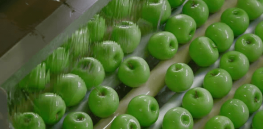
Viewpoint: Could GMOs that use less pesticides be the ultimate ‘clean’ food that consumers expect?
Can genetic modification and clean label co-exist? ...
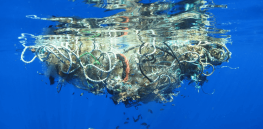
With demand for plastic expected to triple by 2050, here’s how biotechnology can reduce its environmental impacts
In theory, many commonly used plastics can be recycled. But only about one-tenth of the plastics that have ever been ...

Viewpoint: Farmer protests in Europe challenges misguided restrictions on biotechnology innovation
Over the summer, farmers in the Netherlands vehemently protested against the government's new environmental rules. Over multiple weeks, thousands of ...

The Séralini affair: How a discredited study set Kenya’s agricultural biotechnology revolution back a decade
GMO crops aren't new to Kenya; in 2012 we had GMO maize being imported into the country until the infamous ...

Bayer reaches confidential settlement with plaintiff alleging Monsanto’s QuikPRO weedkiller caused his non-Hodgkin’s lymphoma
Officials of Monsanto and their attorneys decided to pay off a St. Louis plaintiff, a professional landscaper who sued them ...
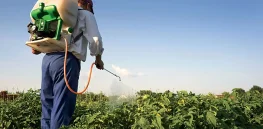
Viewpoint: Should Europe stop using pesticides? This binary, all-or-nothing thinking misrepresents the benefits of crop protection chemicals
Long confined to the agricultural environment, crop protection issues now have a societal dimension with legitimate questions about the potential ...
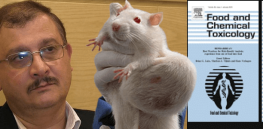
Podcast: Seralini’s infamous rat study 10 years later — Looking back at the retracted research linking GM corn and glyphosate to cancer
Ten years ago the biotech world froze and horrific images of three tumor-ridden rats penetrated the media. Social media erupted ...

‘Fuel of the future’: South Africa factory uses renewable energy to create ‘green’ ammonia
Ammonia is also used to manufacture explosives for the mining industry and is a key ingredient in many pharmaceutical and ...

Precautionary Politics: Europe Moves Backward into a Fear-Based ‘Dark Ages’ in Regulating Agriculture and Cancer Risks
David Zaruk, Founder of GreenFacts, Environmental-Health Risk Governance Analyst, Professor at Odisee University College | July 25, 2018 Highlights: The ...

Viewpoint: Chronicling anti-biotechnology activist Vandana Shiva’s green organic farming delusions that helped drive economic collapse in Sri Lanka
rganic farming was not the singular cause for the crisis which Sri Lanka is currently facing, but the sudden agro-chemical ...

Viewpoint: EWG’s Dirty Dozen scares parents away from buying fresh produce. Here’s why you should keep serving your kids grapes, guilt-free
Grapes, strawberries, apples, and peppers make their way into carts and baskets all over the country as parents give themselves ...
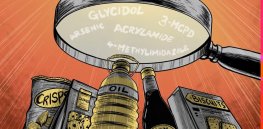
Viewpoint: IARC has labeled cell phones, night shifts and coffee as likely carcinogens — but we’re not doomed. Here’s why we don’t need to panic
Over the years IARC has labeled red meat, pickled foods and salted fish, carpentry, working at night, using cell phones, ...
