



Chemical Controversies

Viewpoint: Produce is sugary, GMO ‘poison’? Scientific American embraces long-debunked food safety tropes
The lies and distortions start early in this appalling Scientific American article -- and they keep going to the end ...

Bayer sells animal health division for $7.6 billion, denies deal prompted by glyphosate-cancer lawsuits
Agriculture and pharmaceutical giant Bayer [August 20] agreed [to] a $7.6 billion deal to sell its animal health business to ...

Kenya will approve biotech crops on case-by-case basis, three months after proposing to lift GMO ban
Kenyans are still waiting on the Government’s decision as to whether it will lift the ban on Genetically Modified Organisms ...
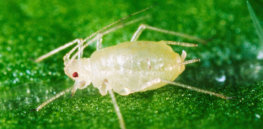
UK farmers struggle to control ‘largely symptomless’ virus without neonicotinoid insecticides
A mild autumn and winter combined with a build-up in aphid numbers since the loss of neonicotinoid seed treatments has ...

Judge tosses glyphosate-in-Cheerios lawsuit for no evidence of ‘injury’
The active ingredient in popular weed killers, glyphosate, has gotten bad press lately .... Some advocacy groups are claiming that ...

Viewpoint: EPA has science on its side in glyphosate-cancer label battle with California
By any measure, California’s Proposition 65 is an exercise in madness. The law, which is officially titled “The Safe Drinking Water ...

Strict evidence standards in upcoming glyphosate-cancer trials could yield science-based verdicts, legal analyst says
Three trials in California against Bayer have sided with plaintiffs involving allegations that the glyphosate in the herbicide Roundup causes ...

Microorganisms could help rid soil of lingering pesticides
Pesticides have been widely used after the Second World War in management of weeds, diseases and pests of plants. Most ...

California advances ban on insecticide chlorpyrifos, claims ‘politics’ prevent EPA from acting
California regulators on [August 14] took formal legal steps to ban a widely used pesticide that had been rescued from ...

Viewpoint: Biologist Tyrone Hayes, author of suspect atrazine weed killer study, nominated for EPA’s Scientific Advisory Panel
Comments opened on the recent EPA nominations to serve on the Scientific Advisory Panel (SAP) .... The name at number ...

India won’t ban glyphosate to stop illegal planting of herbicide-tolerant GMO crops
The government is unlikely to put a ban on the controversial herbicide glyphosate as there is no proven record to ...

Podcast: Food 5.0—GMOs, robots and the future of farming with agronomist Robert Saik
The high efficiency of modern agriculture has a downside: most consumers don't know the first thing about farming ...
Viewpoint: Pouring greed on an ethical fire—Questionable ‘litigation finance’ scam funds glyphosate-cancer lawsuit mill
Greed is being poured on an ethical fire ...
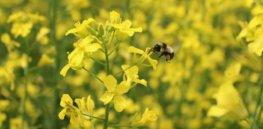
Acute exposure to controversial insecticide sulfoxaflor doesn’t impact bee learning, study shows
Systemic insecticides such as neonicotinoids and sulfoximines can be present in the nectar and pollen of treated crops, through which ...
Glyphosate label war escalates: Spurning EPA objections, California keeps cancer Prop. 65 warning on herbicide
California has no plans to change its rule that certain products containing the herbicide glyphosate require warnings to consumers that ...

Roundup on trial: Glyphosate-cancer settlement talks progress, but report of an $8 billion payout is ‘pure fiction’
Bayer AG is proposing to pay as much as $8 billion to settle more than 18,000 U.S. lawsuits alleging its ...

Viewpoint: Why GMO crops are planet’s best hope for sustainability
Future crops will need to withstand conditions like climate change, low water availability, rising soil salinity, and attacks by pathogens ...

As glyphosate—cancer legal battle intensifies, Bayer faces questions whether it needs to split up to survive
The glyphosate lawsuits—and the political backlash—stem from a finding by a division of the World Health Organisation, which said in ...

EPA blocks California from ‘misleadingly’ labeling glyphosate as ‘known to cause cancer,’ stating herbicide ‘does not pose a cancer risk’
Environmental Protection Agency News Release EPA Takes Action to Provide Accurate Risk Information to Consumers, Stop False Labeling on Products ...
Honeybees and chemicals: Popular neonicotinoid insecticides ‘safe and effective,’ Australia confirms
There have been scientific studies published that suggest a link between the use of neonicotinoids and the declining health of ...

With yields plunging, sugar beet growers in UK may discontinue growing crop in wake of neonicotinoid insecticide ban
Sugar beet is a crop that has always demanded close attention to grow well, but Norfolk grower Mark Means has ...

‘No safe exposure level’ for controversial pesticide chlorpyrifos, renewal unlikely, European officials conclude
The pesticide chlorpyrifos does not meet the criteria required by legislation for the renewal of its approval in the European ...

Finnish ecological sustainability study: Glyphosate-based Roundup herbicide has ‘minor, transient’ impacts on soil and animal health
Despite an increasing concern of consequences of using vast amounts of glyphosate-based herbicides in agroecosystems, their potential effects on non-target ...
‘Blame nature not pesticides’: Bee health detectives unravel mystery of 2013 Oregon bumblebee mass deaths
In June 2013, in a Target parking lot in Wilsonville, Ore., an estimated 50,000 bumblebees dropped dead. Shoppers reported bees falling from ...

Milkweed: Mother’s milk for monarch butterflies, but yield-robbing weed for farmers
Can we encourage a resurgence in butterfly-friendly milkweed populations without making farming even more challenging? ...

Bollworm pest shows signs of resistance to latest GMO Bt corn, cotton in southern US
Also known as the corn earworm, the cotton bollworm has spent the last decade steadily evolving resistance to most of ...

Roundup trial: Bayer’s glyphosate-cancer legal losses signal public’s flagging trust in regulators
Jurors have sided with plaintiffs in all three cases over Bayer AG’s herbicide Roundup to go to trial so far, ...
