


Chemical Controversies

Bad weather to blame for recent uptick in US honeybee loses
Beekeepers in the U.S. reported an increase in honeybee deaths over the last year, possibly the result of erratic weather ...

Mythbusting gone wrong: How the ‘dangerous’ organic pesticide myth began
One of the things that surprised me in researching this story was that I could not find a single organic-approved ...
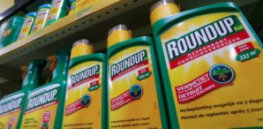
Viewpoint: Is glyphosate safe? Question complicated by politics, murky science
On one side, activists and advocacy organizations have blamed glyphosate exposure for everything from autism to celiac disease. Agribusiness companies ...

Indigo Agriculture’s microbial seed treatments aim to replace synthetic pesticides
Indigo Agriculture CEO David Perry grew up raising corn and cows on his family's farm in Arkansas. While he wasn't the ...
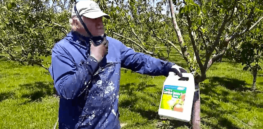
A behind the scenes look at pesticide use in organic orchards, vineyards and fresh produce
This is part three of a four-part series attempting to separate fact from fiction regarding pesticide use on organic farms ...
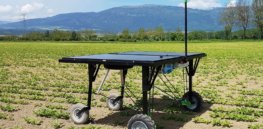
Will weed-zapping AI robots disrupt market for herbicides and GMO seeds?
In a field of sugar beet in Switzerland, a solar-powered robot that looks like a table on wheels scans the ...
How GMO crops help farmers, communities and the environment
1. Genetic engineering can be good for farmers.“GE crops are cultivated to help food grow better,” says [Dr. Tamika Sims, director of food ...

Organic foods have less pesticide residue than conventional produce—but does it matter?
I’ve been following these issues for a long time, and I’ve seen a lot of evidence that organic foods have ...
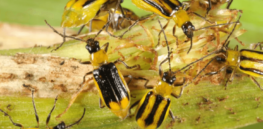
New tools needed to protect pesticides’ effectiveness from evolution of weed and insect resistance
To slow the evolutionary progression of weeds and insect pests gaining resistance to herbicides and pesticides, policymakers should provide resources ...
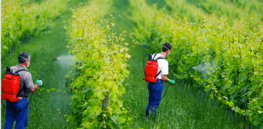
4 things that led to the myth that organic farmers use more pesticides than conventional farmers
This is part two of a four-part series attempting to separate fact from fiction regarding pesticide use on organic farms ...
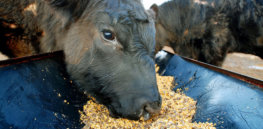
Glyphosate residues safe for livestock, European Food Safety Authority says
EFSA says it finds no reason for concern over glyphosate residues in feed in terms of cattle, sheep, pig, poultry ...

Do organic farmers really use more pesticides than conventional farmers? Not even close.
This is part one of a four-part series attempting to separate fact from fiction regarding pesticide use on organic farms ...
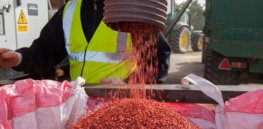
EU Court of Justice upholds ban on neonicotinoid insecticides, dismissing cases by Bayer and Syngenta
A top European Union court upheld on Thursday (17 May) the ban on three insecticides blamed for killing off bee ...

‘The Farm Project’: Actress Zooey Deschanel’s advice on organic food, pesticides is short on science
The actress Zooey Deschanel cites pesticide use in advising Facebook users to avoid certain non-organic produce. Is that scientifically sound ...

Switzerland’s citizens to vote on complete ban of synthetic pesticides
Swiss citizens will get the chance to vote on a complete ban on the use of synthetic pesticides after campaigners ...
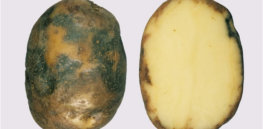
Blight-resistant GMO potatoes reduce pesticide use 80% in Ireland field trial
The environmental impact of potato production can be reduced by 95% by using a genetically modified (GM) blight-resistant potato in ...

Can organic farms produce similar yields to conventional agriculture?
In February [2018], scientists from Wageningen University & Research in the Netherlands and other institutes published an article [link (behind paywall)] ...

Viewpoint: Here’s what’s wrong with study suggesting glyphosate damages our gut health
Can glyphosate impact gut health? The Guardian reports on a team of scientists who claim to have demonstrated that it ...

Viewpoint: What California’s coffee-cancer label teaches us about IARC and glyphosate
For coffee drinkers in California, health warnings on their morning fix will soon be commonplace. [In May], a legal battle involving Starbucks ...

How regulators ensure that pesticide residues on food don’t hurt us
Due to my relationship with the world of food, I constantly hear inaccurate comments about GMOs and agricultural pesticides. While ...

Viewpoint: How the Environmental Working Group and ‘Big Organic’ manipulate pesticide data to scare people
Consumers have a legitimate desire for transparency when it comes to their food - particularly when it comes to the ...

Talking Biotech: Roundup Ready GMO crops made weed management ‘easy’—an agronomist’s view
Kentucky agronomist Chad Lee: Farmers choose herbicide-tolerant GMO crops because they simplify effective weed management and enable no-till farming ...

Organic vs ‘biodynamic’ farming: What’s the difference?
These days biodynamic agriculture is often assumed to be a standard of excellence in agriculture or viticulture, although it widely ...
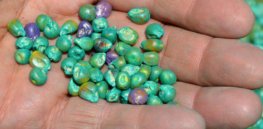
Viewpoint: Why does US still use neonicotinoid insecticides when they’re banned in Europe?
In late April, the European Union banned a blockbuster trio of neonicotinoid insecticides, marketed by chemical giants Syngenta and Bayer. The decision, motivated by mounting ...
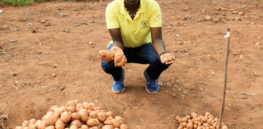
Video: Blight-resistant GMO potato could help Ugandan farmers increase yields, reduce pesticide use
A GMO potato offers hope to Uganda farmers who are struggling with the devastating late blight disease. But politics have ...
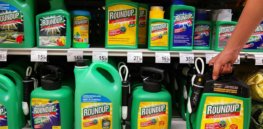
Viewpoint: UK’s Guardian again gives anti-GMO activist Carey Gillam platform to spread misinformation and fear about Roundup weedkiller
[Carey Gillam's] second recent article in the Guardian says that the herbicide formulation Roundup is more toxic to human cells than glyphosate ...
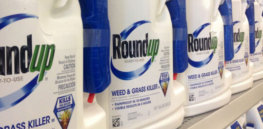
Viewpoint: North American scientists, IARC officials conspired to misrepresent glyphosate health risks
On March 20, 2015, the International Agency for Research on Cancer (IARC) announced that it had classified glyphosate, the active substance ...
