


Agriculture & Food

GLP Podcast: Genetics of sugar cravings; Male birth control; CRISPR-edited apples coming soon?
We all crave sugar on occasion, and geneticists say they've found some of the genes that may have driven this ...

Viewpoint: The messy ‘non organic’ reality of imported organic food
I am a strong believer in consumer choice. Although I may not agree with every choice a consumer makes, it’s ...

Viewpoint: ‘Only GMOs will save the livestock sector’ — Genetically modified crops could lower the cost of feed 20% in Kenya
The rise in cost of raw materials has forced 50 percent of Kenya’s dairy feed manufacturers to close shop or downsize ...

Study credits climate, not genetics, for bumper US corn crop
Most of the maize yield improvements seen in the US corn belt state of Nebraska can be attributed to a ...

GMOs vs gene edited crops and animals: Are there meaningful distinctions?
Producers have been breeding plants and animals for desired traits, including higher yields, better taste and flavor, and disease resistance ...

‘Eating is believing’: How Nigerian consumers are taking to new GMO cowpeas
"I've tasted the akara GMO," [All Farmers Association of Nigeria Chairman Otunba Oke Babafemi] exclaimed at the inaugural Eating is ...
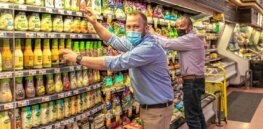
How GMO food labels impact consumer choices
Researchers from Neoma Business School, Concordia University, and University of Wisconsin-Madison published a new paper in the Journal of Marketing that examines how ...
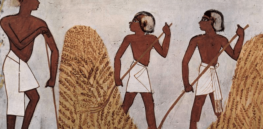
‘Paying the price for productivity’: Studying ancient barley, safflower and lentil grains can help us recover lost nutrients
What can we learn from the past to address modern problems in food quality and nutrition? This is the question ...

Podcast: Could the food we eat be fueling a surge in autoimmune diseases?
Could the food we eat and the air we breathe be damaging our immune systems? The number of people with ...

GMO 25-year safety endorsement: 280 science institutions, more than 3,000 studies
Despite vehement public debate, there is an overwhelming scientific consensus that GE foods present no greater risk than non-GMO crops, ...
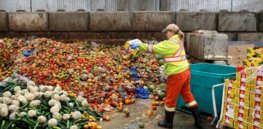
Pandemic has highlighted resilience — as well as weaknesses — of the global food system: UN Food and Agriculture Organization report
Countries need to make their agrifood systems more resilient to sudden shocks of the kind witnessed during the COVID-19 pandemic, ...

‘Sweet and mild’: Non-GMO ‘tearless’ onion goes on sale in the UK after decades in development
The Sunion onion is perfect for those with sensitive eyes as well as for cooking in the kitchen with children, ...

Viewpoint: The future king of England’s backward views on biotechnology and farming are a ‘threat to the health of the nation’
The heir to the [British] throne’s belief that GM technology will cause the “biggest disaster environment of all time” has put ...

Latest CRISPR food innovation: Nutritionally super-charged lettuce
[PhD student Yarin] Livneh's most recent research is leveraging gene editing technology CRISPR/Cas to... improve the nutritional quality of an ...

Only female chickens produce eggs, so millions of newborn male chicks are killed each year. Here’s how gene editing could put an end to this cruel practice
Pressure has been growing for some time on the layer sector to end the culling of male chicks, which are ...

‘Natural compounds to replace antibiotics?’ Soy-derived cow feed supplement could slow the rise of superbugs
South Dakota State University scientists are researching ways to help animals stay healthy using an antimicrobial compound produced by soybean ...

Bill Nye reaffirms belief that foods from GMO seeds are safe and can be beneficial
In an exclusive interview with Mashed, [Bill Nye talked about] issues that mean so much to him — including GMOs ...

Viewpoint: ‘Lower food prices, limiting exposure to toxins, fewer diseases in crops.’ These are the advances missed by countries that reject GM technology
Two new papers aim to quantify the social welfare and economic costs that countries inflict upon themselves by restricting the ...

GMO patent controversy 3: Does Monsanto sue farmers for inadvertent GMO ‘contamination’?
The courts have affirmed Monsanto's claim that it will not sue farmers for any cross pollination from GM seeds that ...
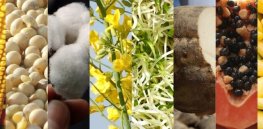
Viewpoint: With more than 70 countries producing GM foods, it’s time to get beyond tired debate over technology and embrace innovation
Transgenics began nearly three decades ago in world agriculture with the aim of increasing agricultural productivity. In other words, produce ...
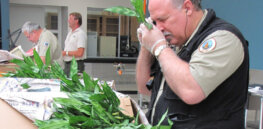
Viewpoint: Are the EPA and other regulatory agencies dragging their feet by not restricting glyphosate weedkiller?
Are the EPA and big agricultural groups defending glyphosate because they need to maintain business as usual? Should the public ...

A second Green Revolution: How gene editing could revolutionize photosynthesis and transform agriculture
Stephen Long is a professor of plant biology and crop sciences at the University of Illinois Urbana-Champaign and the director ...

GMO patent controversy 2: Supreme Court cases of farmers Bowman and Schmeiser
Monsanto is accused by its critics of unfairly targeting farmers who 'mistakenly' reuse their patented seeds. Two cases have reached ...

GMO patent controversy: Terminator genes, seed piracy and ‘forcing’ farmers to buy seeds
Many farmers buy new seeds each season. Are they forced to by corporations, like Monsanto, who "control" the seed supply, ...

Viewpoint: ‘Slow food’ movement remains an aesthetic model for the elite — and doesn’t produce a sustainable food system
There is something especially sinister about telling people that the way to eat healthfully, morally, and sustainably requires more work — especially ...

‘It will be a wonderful day when these potatoes get into the hands of farmers’: Uganda develops genetically engineered disease-resistant version of the country’s most important crop
Late potato blight is the most destructive potato disease in the world costing developing countries USD 10 billion every year. This CIP@50 story digs into a new rapid-fire approach to potato breeding that makes farmer-favorite ...
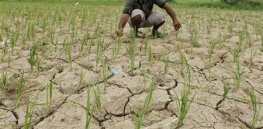
UN Food and Agriculture Organization notes worsening soil and water health, says agri-food systems could help reverse trend
The Food and Agriculture Organization of the United Nations (FAO) [December 9] launched a landmark report highlighting the worsening state ...
