



Daily Food & Ag Digest

Cellular agriculture: WIll synthetically-developed coffee, cultured meat and bioreactor-based dairy soften impacts of climate change, as supporters claim?
Cellular agriculture is committed to producing agricultural foods using a combination of synthetic biology, biotechnology, molecular biology and tissue engineering ...
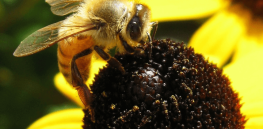
‘No conservation concern with honey bees’: Xerces Society debunks claims that honey bees threatened but raises extinction concerns about some wild species
Around 2006, beekeepers started reporting huge losses of honey bee colonies. “That rang alarm bells,” said James Cane, a bee ...

Viewpoint: Why food security is central to national security — And why the EU Green Deal Farm to Fork strategy is the wrong approach
A recent poll of U.S. consumers found that nearly 72 percent were concerned for food availability during the early days ...

Hi-tech coatings and other ways to help slow spoiling of fruits and vegetables
The problem of rotting apples and mouldering grain may have been a matter of season-to-season survival for our ancestors. Today ...
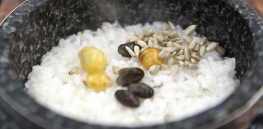
A GM solution to help address climate change: Genetic tweak tailors rice to survive increasing salt and temperature levels
Genetically engineering rice to have better salt tolerance could allow it to be grown in places it would otherwise fail, ...

Viewpoint: Toxic torts — Taxpayers each pay over $1000 a year to subsidize ambulance-chasing lawyers targeting agriculture products
We’ve all seen the ads, declaring that we or a loved one may be entitled to financial compensation, soliciting claims ...

First bee vaccine: USDA okays oral vaccine for foulbrood disease that’s devastating bee populations
Some hopeful news has come from the United States about the future of bees, vital pollinator insects that often fall victim ...

After years of reports of widespread violations of ‘certified organic’ rules, USDA strengthens enforcement
The USDA has a strict definition of “certified organic,” allowing the label to be used only for products that meet ...
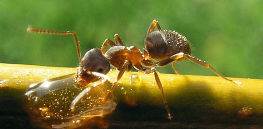
Ants genetically engineered for their antennae to glow green reveal how insects navigate the world of scent
Researchers have made transgenic ants whose antennae glow green under a microscope, revealing how the insects’ brains process alarming smells ...

Not so keen on decaf coffee? Gene-editing may make a near-perfect cup
Coffea Eugenioides plant, the genetic parent to Coffea Arabica, was almost extinct until recently. Arabica is the earthy, full-bodied, chocolatey coffee that most of ...

Viewpoint: Tapping the breaks on regulatory overreach — How administrative bloat set up roadblocks for crop innovation
The EPA’s “plant regulator” definition has caused alarm in the relatively new plant biostimulant industry because some of its products ...

Viewpoint: What the US can learn from Sri Lanka’s disastrous ‘green’ embrace of anti-GMO hysteria?
Since Sri Lanka’s independence in 1948, its agricultural policies focused on reaching self-sufficiency in food production. Thanks to chemical fertilizers, pesticides, modern ...

Viewpoint: Are predictions of market chaos from Mexico’s proposed GM corn ban overhyped?
Negotiations between the United States and Mexican governments continue over Mexico’s planned phaseout of imports of genetically modified corn, first ...
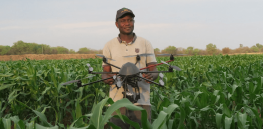
How digital innovations can spur a Fourth Agricultural Revolution
Two billion people in the world currently suffer from malnutrition and according to some estimates, we need 60% more food ...

Viewpoint: Indigenous historical wisdom can play a key role in developing sustainable food systems
In the past century, Indigenous knowledge has been dismissed in different ways. Take the Green Revolution, a vast increase in ...
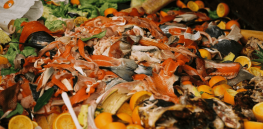
Food waste revolution? How upcycled garbage can help build a more sustainable future
Edible by-products from food manufacturing are a potential resource that can be tapped to sustainably increase food supply, reduce obesity ...
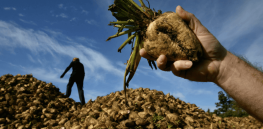
Neonicotinoids are restricted or banned in some European countries. Why is it so hard to find safer and more effective alternative pesticides?
The [French] government has just issued a decree authorizing, by way of exemption, the use in 2023 of sugar beet ...

‘We’re in the biotech era’: The push to make cattle and dairy production more sustainable
With rising temperatures and worsening drought, scientists are dreaming up ways to ensure farming and agriculture can be better for ...

Did India’s GM mustard approval circumvent the law as anti-GMO activists claim?
The Coalition of GM-free India, a group of NGOs opposing genetically modified crops, released a report on [January 6], alleging ...
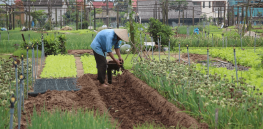
Viewpoint: Changing mindsets — Organic agriculture is less efficient than conventional farming and has a larger carbon footprint
The United Nations recently confirmed that the world population has officially reached 8 billion. However, what should be a celebration ...

How do Japanese consumers view the coming era of gene-edited food?
Are genome-edited foods trusted? The National Federation of Consumer Organizations (Chiyoda-ku, Tokyo) has recently released the results of a consumer ...
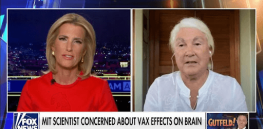
Viewpoint: MIT turns blind eye to misinformation on agricultural biotechnology and vaccines promoted by ‘infamous crank’ computer scientist Stephanie Seneff
How long before academics who spout anti-vaccine nonsense related to COVID-19 get a level of accountability academics who spouted anti-vaccine ...

Viewpoint: The case for the UK Parliament to approve CRISPR-based precision breeding — and why regulators should not throw GMOs under the bus
If you had the power to cut food prices and carbon emissions and improve animal welfare in a single stroke, ...

Heat-tolerant wheat: How we can increase yields of this staple crop despite rising temperatures
Wheat now provides 20% of the calories consumed by humans every day, but its production is under threat. Thanks to human-induced ...

Viewpoint: Plant-based foods need tighter environmental and regulatory scrutiny
So far, research on meat substitutes has emphasised commercialisation, technological enhancements and lowering costs, with little attention paid to regulatory ...
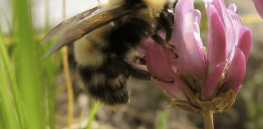
Why biodiversity is so essential to pollinator health
Biodiversity is essential for effective crop production and the health of our natural resources. It sustains the ecosystems that underpin ...
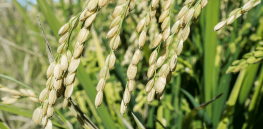
Next generation climate-sensitive agriculture: Slew of CRISPR crops are in development that limit buildup of carbon in the atmosphere
There is a push to use CRISPR to make agricultural technologies that pull carbon dioxide (CO2) out of the air and store ...
