After years of reports of widespread violations of ‘certified organic’ rules, USDA strengthens enforcement

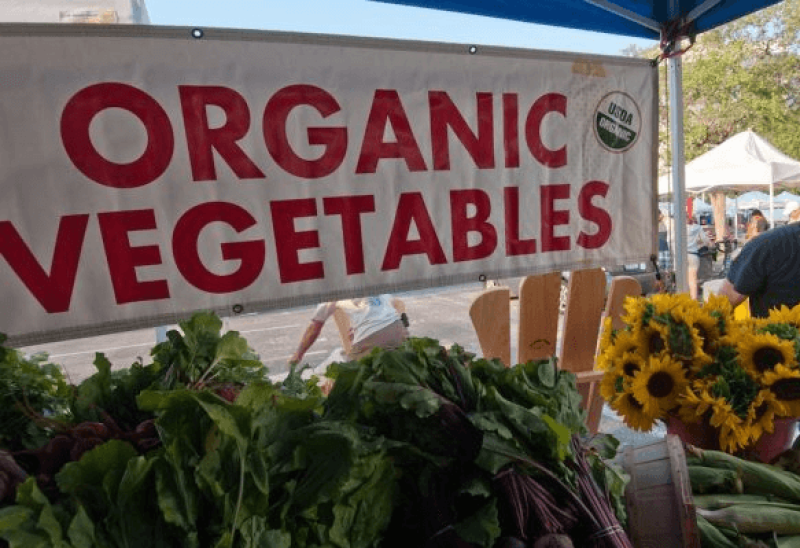
Fraudulent “organic” foods were found to be a widespread problem. Credit: USDA via Flickr and Creative Commons

The Agriculture Department announced new guidelines for products labeled “organic,” a term that has been increasingly abused as shoppers have sought healthier, environmentally friendly food.

The USDA has a strict definition of “certified organic,” allowing the label to be used only for products that meet certain standards for soil quality, animal-raising practices, pest and weed control, and use of additives. 

Follow the latest news and policy debates on sustainable agriculture, biomedicine, and other ‘disruptive’ innovations. Subscribe to our newsletter.

Yet problems with organic fraud have persisted. This month, the Justice Department announced indictments of individuals alleged to have masterminded a multimillion-dollar scheme to export nonorganic soybeans from Eastern Europe to be sold into the United States as certified organic. They were able to charge 50 percent more for “organic” grain than conventional, the department said.

And this week, two Minnesota farmers were charged in connection with an alleged plan to sell more than $46 million in chemically treated crops as organic between 2014 and 2021.

Key updates to the rules include requiring certification of more of the businesses, such as brokers and traders, at critical links in organic supply chains. It also requires organic certificates for all organic imports and increases inspections and reporting requirements of certified operations.


This is an excerpt. Read the original post here

{{ reviewsTotal }}{{ options.labels.singularReviewCountLabel }}
{{ reviewsTotal }}{{ options.labels.pluralReviewCountLabel }}
{{ options.labels.newReviewButton }}
{{ userData.canReview.message }}

Related Articles

Infographic: Global regulatory and health research agencies on whether glyphosate causes cancer

Infographic: Global regulatory and health research agencies on whether glyphosate causes cancer

Does glyphosate—the world's most heavily-used herbicide—pose serious harm to humans? Is it carcinogenic? Those issues are of both legal and ...

Most Popular

Screenshot-PM-24
Viewpoint: The herbicide glyphosate isn’t perfect. Banning it would be far worse.
79d03212-2508-45d0-b427-8e9743ff6432
Viewpoint: The Casey Means hustle—Wellness woo opportunism dressed up as medical wisdom
d-b
Blocked arteries, kidney stones, nausea, constipation, fatigue: Long list of health problems caused by too much vitamin D 
ChatGPT-Image-Mar-10-2026-01_39_01-PM
Viewpoint—“Miracle molecule” debunked: Why acemannan supplements don’t work
ChatGPT-Image-Apr-30-2026-05_00_48-PM
Wellness grifter physician turned wellness influencer out as surgeon general nominee
Screenshot-2026-04-30-at-11.33.46-AM
Anti-seed-oil to anti-vax pipeline: MAHA movement spreads to teen influencers
lab grown meat research kelly schultz lehighuniversity main
Profiles of the 10 top global cultured meat companies
ChatGPT-Image-Mar-27-2026-11_27_05-AM
The myths of “process”: What science says about the “dangers’ of synthetic products and ultra-processed foods
ChatGPT-Image-Apr-30-2026-12_21_05-PM-2
The tech billionaires behind the immortality movement
Screenshot-2026-04-28-at-1.21.37-PM
How America’s medical system encourages psychiatric overdiagnosis

Sorry. No data so far.

glp menu logo outlined

Get news on human & agricultural genetics and biotechnology delivered to your inbox.