


Food & Ag Features

Economic consequences of regulations of GM crops
Are regulations hampering the potential for biotechnology to contribute to global food security? ...
Global food security has been lagging since 2015. Here’s how renewed public-private partnerships could turn around the decline
Global food security is at a tipping point. After decades of both absolute and relative improvement in food security worldwide, ...

Part 2: The hypocrisy of opponents of genetic engineering of food
Logic would dictate that those who are opposed to using gene engineering (GE) in all its forms to grow crops ...
Part 1: The organic food industry’s rejection of modernity
The rapid advance of technology has enriched our daily lives. We can take pictures and videos with a cell phone, ...
Viewpoint: Letter to the EU on climate change and agricultural sustainability
The European Commission is taking public feedback on gene editing. I urge you to send your letter here. If you ...
How did Sri Lanka’s organic-only debacle begin? Simple — ‘uninformed, flawed decisions based on wishful thinking’
All of us have had the experience of learning things, as the saying goes, “the hard way.” That phenomenon has ...

Viewpoint: Animal genetic selection will likely be embraced by public — but gene editing could face resistance from activist GMO opponents
Animal biotechnology is the application of recombinant DNA techniques to animals. Genetic engineering and cloning are two older forms of ...
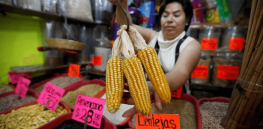
Mexico’s corn production needs to increase significantly — is this possible with agroecology, and without GMOs?
Through its Decree banning imports of GM corn and restricting trade with the United States and other countries, the administration ...

Podcast: Prof Kevin Folta profiles Jeffrey Smith, a leading purveyor of crop biotechnology disinformation often cited by anti-biotech advocacy groups
We must be dedicated to fighting back against false information in food and medicine. Jeffery Smith is a personality with ...
Viewpoint: European politicians seem hell-bent on undermining sustainable farming
As Members of the European Parliament meet... to discuss how violently to continue Brussels’ attack on European farmers and consumers, ...

Viewpoint: ‘Anti-GMO activists persist in their fear tactics targeting the African public’ — Here’s the damage they wreak in the less developed world
From the beginning, genetically engineered (GE) crops (also known as GMOs) have been controversial. Europe has always been at the ...
A shortage of healthful omega-3 fatty acid from fish looms as the global climate heats up. Here is a plant-based biotechnology solution
Consumption of fish and other seafood has played a pivotal role in human history as a nourishing protein. This warrants ...

A house made from mushrooms and a ski jacket from microbes? Synthetic biology is poised to revolutionize what we can do with crops
Imagine if we could redesign nature by making a house out of mushrooms, a ski jacket from fermented microbes, and ...
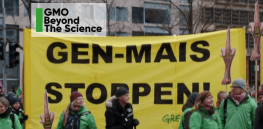
How anti-GMO advocates hijacked German science, blocking agricultural innovation and threatening the CRISPR revolution: A farmer’s perspective
Susanne Günther, Farmer, Blogger, and Winner of the InnoPlanta Prize for Objective Reporting on Modern Plant Breeding | July 12, ...
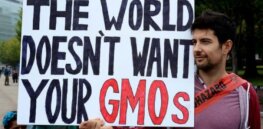
Podcast: Here is how misinformation about GMOs and crop biotechnology mutates and spreads
How does misinformation about genetically engineered crops (GMOs) start and how do we correct it? These are questions asked by ...

What did ancient humans eat?
Unearthed from the graves of children, ceramic baby bottles from thousands of years ago would look perfectly at home in ...

Viewpoint: Greenpeace continues campaign to scuttle Philippines’ vitamin A-enriched Golden Rice approval, but government holds firm
COVID-19 has caused untold suffering throughout the world, but particularly in developing countries. So why is Greenpeace continuing a yearslong ...

Precautionaria: Risk-averse Europe is undermining innovation in sustainable farming and battling climate change
Europe has been suffering from a disease outbreak that is debilitating its population, leading to economic malaise and destroying its ...

Viewpoint: ‘It’s time to listen to what the data say’ — Agricultural biotechnology industry issues joint statement challenging Europe’s proposed Farm to Fork Green Deal
Food chain actors all agree with the main principles set out in the Farm to Fork strategy and are fully ...

Viewpoint: How distributing misinformation about farming, food and agricultural biotechnology became a big business
Biotechnology began to be applied to crop agriculture in the early 1980s, with the first commercialized products coming to market ...

The A – Z of anti-GM activists in Africa
The developed world — especially Western Europe and North America — have embraced genetic engineering in the medical field, mainly ...

How the brain drives food addictions
From the earliest days of their evolution, guts and brains have been the best of friends. It’s a mutually beneficial ...

Viewpoint: After years of misreporting, NY Times embraces safety and efficacy of GMOs — but still stumbles on nuance and key facts
Genetically engineered (GE) crops, which have been commercially available for 25 years, have been widely misunderstood and under-appreciated, especially by ...

Seed Speaks Video: Are GMOs sustainable? Can organic feed the world? One size doesn’t fit all
The debate about GMO safety and sustainability is ongoing, but one fact remains: food security is paramount. Does the absence ...

Viewpoint: Part 2 — Which developing countries are taking the lead in crop biotechnology innovation?
In Part One of this series, we “set the stage” for the economic reasons for acceptance of GM foods in ...
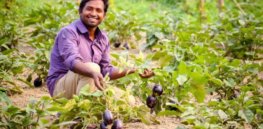
Viewpoint: Cornell prof Anthony Shelton’s personal account of the sustainability and economic success of GMO eggplants in Bangladesh
I had the opportunity to work on a project that helped transform the lives of resource-poor farmers in Bangladesh and ...
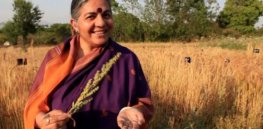
‘Prejudiced, anti-science, anti-social stances’: Letter denounces University of Missouri lecture series speech invitation to anti-biotechnology activist-philosopher Vandana Shiva
Vandana Shiva, an Indian activist philosopher who maintains the Green Revolution was a failure and promotes small-scale farming to address ...
