


Sustainability & Climate Change
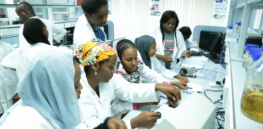
SynBio future in Africa: Kenya takes the lead in applying synthetic biology to improve agriculture and fight climate dislocations
Genome editing and synthetic biology are other exciting bioscience innovations that offer viable solutions to contemporary challenges in agriculture, human ...

Gourmet mold sausage? Food waste inspiring Michelin-starred chefs
Food waste is a huge issue in the U.S., where an estimated 30% to 40% of the food supply is tossed out ...
Food prices will climb everywhere as temperatures rise due to climate change – new research
Climate change, and specifically rising temperatures, may cause food prices to increase by 3.2% per year, according to a new ...
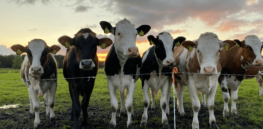
In Canada, cows and other livestock animals are responsible for 40 percent of methane emissions – a potent greenhouse gas. Here are some solutions
Can a shot with anything other than a bullet stifle a cow’s methane burps? If the shot is a vaccine, ...
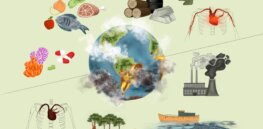
Viewpoint: The Greens are wrong — Here’s why humanity is good for nature
Over the past few years, we have been subject to endless media reports on the devastating impact humanity is having ...

Alternative fats from gene-edited plants and algae could pose a challenge to unsustainable palm oil and animal fat industries
With many traditional fats – from canola to coconut – under scrutiny for high saturated content or significant deforestation, many ...
Ghana pushes a tech-based sustainable agricultural revolution as climate change looms
Climate-resilient crop varieties have proven crucial for the sustenance of agricultural productivity in the face of changing climatic conditions. In ...

Regulatory barriers stunting the European cultivated meat revolution
A 2022 study found that food production accounts for over a quarter (26%) of global greenhouse gas emissions, and around ...

Is glyphosate weedkiller a danger to humans, bees and the environment? Addressing 10 controversial claims
Agricultural advances have made farming and our foods safer and more abundant than at any other time in history. Everyone ...

How genetically-engineered black flies could help tackle global environmental challenges
In the battle against pollution, a team from Macquarie University is turning to an unexpected ally: genetically engineered black soldier ...
Cultured meat is just too expensive to produce to scale up? That could change dramatically, and soon
A pioneering study unveils the first affordable method for producing cultivated meat. The research highlights that continuous manufacturing effectively overcomes ...
Viewpoint: Science colonialism — Europe and the United Nations are blocking crop biotechnology poised to address global hunger
Wealthy countries with natural 'breadbaskets' - places where it is easy to grow food - have so much abundance they ...
Viewpoint: Organic mirage: The poor are paying the price for the backlash against agrochemicals and crop biotechnology
Thanks to the Green Revolution—a period of technology transfer initiatives that saw significantly increased crop yields and agricultural production—it became ...

Viewpoint: These global organizations and billionaire foundations are coordinating a ‘war’ against sustainably transforming our food system
Elite billionaire organizations and foundations, government agencies and activist pressure groups are funding and coordinating a global war on modern agriculture, ...
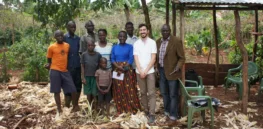
Viewpoint: The agroecology movement is turning against technology in agriculture, and the poor suffer
The World Economic Forum says the world faces a new crisis, "One-third of anthropogenic greenhouse gas emissions come from food ...
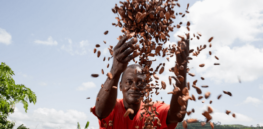
Viewpoint: Sustainable food and biotechnology innovations are cornerstones of global food security threatened by armed conflict
While there are multiple causes of food insecurity on the planet, one is predominant: armed conflict. This year, with 20 ...

The Atlantic ocean might collapse from climate change. How long do we have to find a solution?
A gigantic, weather-defining current system could be headed to collapse. How much time might we have left to save it? ...

Is your cheese GMO? The Non-GMO Project and other activists claim 90% of cheeses in America are ‘tainted’. Here are the facts
In cheese production, the need to use traditional rennet obtained from calf stomachs has largely been removed because of a ...

Viewpoint: These global organizations and billionaire foundations are directing the war against sustainably transforming our food system
Elite billionaire organizations and foundations, government agencies, and activist pressure groups are funding and coordinating a global war on modern agriculture, ...
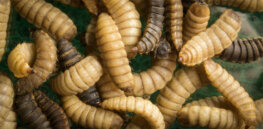
Insect protein is taking flight in the UK — fed on food waste from restaurants and supermarkets
There are no cows or chickens down on Entocycle’s farm; it focuses on an altogether different category of livestock – ...
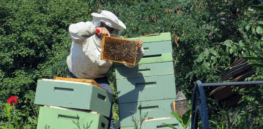
Hidden threat to wild bees? Honeybees, including those raised by well-meaning suburbanites and city-dweller hobbyists believing they are helping the environment
Canada is home to more than 800 species of wild bees — few may have noticed the diversity of native ...
Viewpoint: How can we dramatically increase agricultural yields sustainably and without using more land?
A 70% increase in global demand for food by 2050, set against urgent biodiversity and climate pressures, requires an unprecedented ...
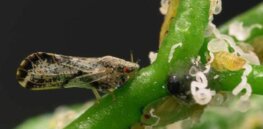
Gene editing poised to save Florida’s citrus crop from greening disease spread by invasive insect
In 2003 and 2004, citrus yields were the highest in Florida history, at almost 300 million boxes, more than any ...
Breakthough Institute: Are cover crops the silver bullet to reduce agricultural carbon emissions as regenerative-farming enthusiasts claim? Time for a rethink
Cover cropping, the practice of planting secondary crops during the off-season to improve soil health, has roots stretching back to ...
Environmental-Industrial Complex: How governments, advocacy groups, ‘progressive’ foundations and industry profit off of climate fears
Is history repeating itself? In 1961, US President Eisenhower gave an alarming farewell address, warning that the military-industrial (Congressional) complex ...
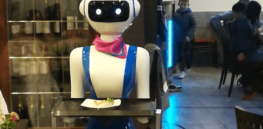
Podcast: Robo-restaurants, AI mapping farmland and CRISPR tomatoes
Tomatoes are thirsty crops. Here’s how CRISPR gene-editing could help them thrive with less water ...
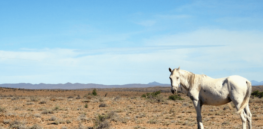
From ‘lifeless dust’ to livestock farm: Farmer credits regenerative agriculture for soil transformation
In 2010, when Barry Meijer bought Meijer’s Rust near De Rust in the Klein Karoo, the soil was bare and ...
