


Sustainability & Climate Change
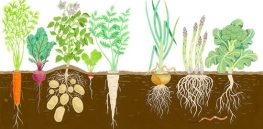
Global food consumption is rising, along with the need for carbon-emitting nitrogen fertilizer. Here’s what scientists are doing to address this fast-approaching crisis
Growing and producing food, fiber, and biofuels generates about one-quarter of all human-caused greenhouse-gas emissions. At the same time, yields ...
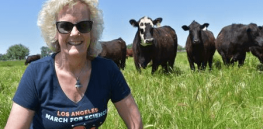
Podcast: Is there a future in the US for gene editing in animals? Kevin Folta talks with Alison van Eenennaam about her latest breakthrough research and regulatory hurdles she faces
Amazing innovations in animal gene editing have the promise to streamline agriculture, with benefits for agricultural producers, consumers and the ...
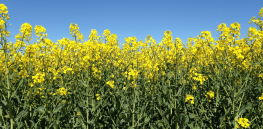
Irish farmers hope to avoid oilseed rape crop failures encouraged in part by neonicotinoid insecticide limits
More Irish farmers are expected to sow oilseed rape this autumn, despite the crop's chequered and controversial history across the ...
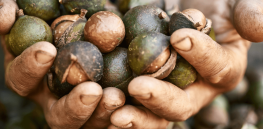
Most expensive nuts in the world: Genomics could transform how we grow macadamia nuts
If we tried to feed the global population today on the average agricultural yields of the 1960s, we would need to farm ...

The Guardian’s anti-GMO columnist George Monbiot reports organic, pasture fed beef and lamb are ‘some of the world’s most damaging food products’
What are the world’s most damaging farm products? You might be amazed by the answer: organic, pasture-fed beef and lamb ...
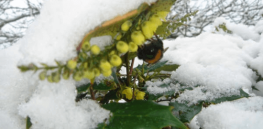
Why are bumblebees dying? New study concludes climate change is causing earlier springs, awakening them from winter slumber before flowers ready for pollination
Climate change is triggering early spring across North America and prematurely waking bumblebees from hibernation before flowers have bloomed - leaving ...

Viewpoint: War and global food crisis takes sharp toll on organic market. Maybe it’s time for a more sustainable alternative?
"Is organic’s luck about to run out?” So ran a recent headline in The Grocer magazine, and it got me thinking. Could food ...
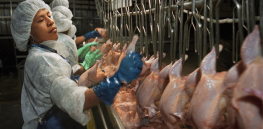
Can plant-based meat spur a just environmental transition for animals and food-factory workers alike?
There are plenty of ways in which fake meat is better than animal meat. Getting institutions like schools and hospitals ...

Tweaking crops to prevent disease and reduce pesticide use — a CRISPR solution
Applying new CRISPR-based technology to a broad agricultural need, researchers at the University of California San Diego have set their ...
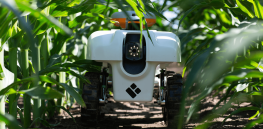
How genetics, robotics and other technologies can protect French farms from drought
Claude Ménara was an icon in the early 2000s. The icon of the pro-GMO fight in New Aquitaine, who regularly ...
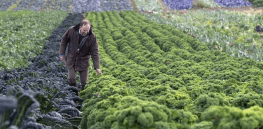
Viewpoint: ‘We can’t reward less productive organic farming’ — A call to re-introduce science to agricultural planning
Faced with global food security concerns and soaring food and energy price inflation, the UK Government seems to have woken ...

Viewpoint: ‘Deadly consequences’ — Sri Lanka needs to replace disastrous ‘100% organic’ method with evidence-based sustainable agricultural plan
Among the decisions being singled out for criticism, both locally and globally, is Sri Lanka's now infamous overnight ban on ...
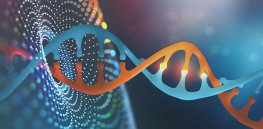
Viewpoint: Next-generation of sustainable fortified crops are in the pipeline — but approval process lags
Exciting agricultural discoveries are happening every day. But these discoveries will become reality only if we have a clear, science-based, ...

Boosting photosynthesis: GMO soy bean trial demonstrates 25% jump in yield
Genetically modified soya beans designed to absorb light more efficiently produced a 25% greater yield in an advance that could ...
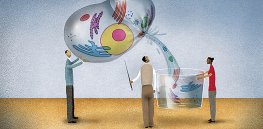
‘Meat can be a translucent liquid or crunchy bite’: How cellular agriculture is poised to reinvent cuisine
Near and long term, cellular agriculture opens the road for increased creativity. It would be difficult to find protein of ...

Farmer’s viewpoint: BBC and other British media ‘continue to falsely imply that genetic engineering remains highly controversial and uncertain’
Phil Lodge, who farms on the outskirts of Doncaster, explained his reasons for taking part in the GM crop trials: ...

Viewpoint: Aspirational India — Embracing genetic modification in agriculture key to country’s ‘nutritional security’
India has made stupendous strides in becoming self-sufficient in food, primarily driven by technological investments during the green revolution. Using ...
Risk, hazard and the precautionary principle: Why Europe gets crop biotechnology and chemical regulation so wrong
David Zaruk, Founder of GreenFacts, Environmental-Health Risk Governance Analyst, Professor at Odisee University College | July 24, 2018 Highlights: European ...
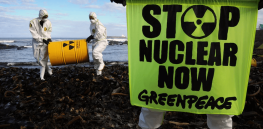
Viewpoint: Technology hypocrites? Greenpeace is far less ecological than it claims
In July 2022, Greenpeace leaders deplored the inclusion of gas and nuclear in the European green taxonomy (this new classification ...
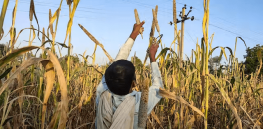
‘Without major changes to agriculture, government targets for mitigating climate change are at risk’, scientists warn
For decades, scientists have pursued a tantalizing possibility for bolstering food supplies and easing hunger for the world’s poorest: improving ...
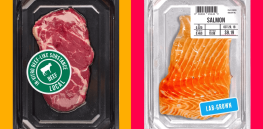
Hundreds of companies now making plant-based proteins, from beef to chicken to seafood. Here is what’s on the platter
Imagination is a wonderful thing. It is even more incredible when you can realize your dreams. Did you ever think ...
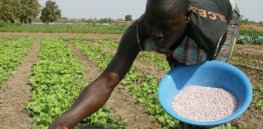
Better seeds and biotechnology can boost Africa’s crop productivity, study finds
Though Africa has a quarter of the world’s arable land, its crop productivity falls well below the world average, particularly in ...
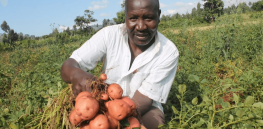
Viewpoint: Will late blight-proof GMO potatoes ever make it to Africa? Not if anti-biotech activists succeed in their scare campaigns
Despite increased potato production and high-yield potential, yields in developing countries have not reached their full potential. Smallholder farmers often ...

In defense of meat: A sustainability and climate argument
The number of carbon atoms returned to the atmosphere from beef farming is less than that removed by grass growth ...
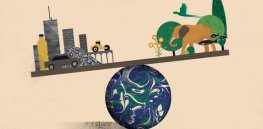
Is any agriculture method ‘ecologically sustainable’? A biologist’s perspective
If we define “ecological” as that act or activity that is carried out without causing a negative impact on the ...
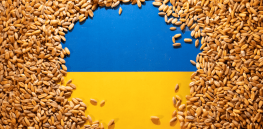
The politics of wheat: As agriculture becomes a weapon of war, biotechnology emerges as a strategic tool for the West
Is the world facing “a potential mass starvation event” due to the war in Ukraine? It is starting to look ...
‘Difficult if not impossible’: Why US organic standards fail farmers and consumers
Many U.S. consumers swear by organic foods but are unaware of the history, principles, and regulations behind the NOP. Read on ...
