


Sustainability & Climate Change

Rewilding farmland can protect biodiversity and sequester carbon, new study finds
Restoring ecosystems on just 15 percent of the world’s current farmland could spare 60 percent of the species expected to ...

Insect-resistant GM eggplant could boost Philippines’ crop yields 192%, reduce pesticide use 48%
Eggplant is an economically important vegetable in the Philippines, where its production accounts for nearly one-third of the total volume ...

GM insect-resistant Bt cotton boosted India’s crop yields? Activist study says no, but crop biotech experts say yes
Was the introduction of transgenic (GMO) cotton seeds to India in 2002 the beginning of the renaissance of the country's ...

Viewpoint: Activists aim to block GM chestnut tree by hyping potential risks and ignoring real benefits
For more than 30 years, the American Chestnut Foundation (ACF) has been engaged in a privately financed program .... to produce ...

Nitrogen fertilizers are jeopardizing climate goals, new study finds
The expanding use of nitrogen fertilizers in agriculture is pushing nitrous oxide emissions to levels that jeopardize climate goals and ...
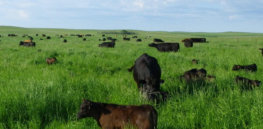
‘Farmers aren’t stupid.’ If ‘regenerative agriculture’ worked, they’d embrace it, New Zealand dairy scientist says
This is a call to make it clear that what is being suggested by environmentalists will limit our ability to ...

Viewpoint: We have a food-waste problem, but cutting meat consumption won’t solve it
Most commercial produce is bought and discarded within two days. It can't even be given to food shelters or homeless ...
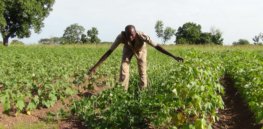
GM crops can slash Africa’s pesticide use: Insect-resistant cowpea field trial shows farmers how
A team of scientists developing Bt Cowpea at CSIR-SARI organized a field day at its confined field trial site in ...

Biotech milestone: Argentina could be first nation to approve GM drought-tolerant wheat
The Argentine government will approve drought-tolerant transgenic wheat variety HB4 from biotechnology company Bioceres, according to an official resolution to ...

Goodbye gin and tonics? Invasive plant disease threatens juniper berries used to make gin
The gin industry, which is worth £3.2bn to the UK economy, has the potential to be devastated by an invasive ...
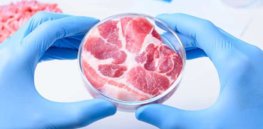
Generation Z accepts GMOs, but 72% not ready to eat lab-grown meat, survey shows
It wasn’t long ago that a U.S.-based study found that 77 percent of Generation Z are just fine with food ...

Gene-edited plants and animals: Our secret weapons in the battle to slow climate change?
Nearly 200 nations signed on to the Paris Agreement in 2016, pledging to reduce their countries’ greenhouse gas emissions. By ...

No evidence GMO chestnut trees harm humans, animals or the environment, developers tell USDA
Researchers at the State University of New York College of Environmental Science and Forestry (ESF) have developed Darling 58 American ...
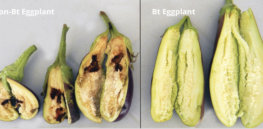
GM insect-resistant Bt eggplant could help Philippines prevent as much as 73% crop losses, cut ‘almost daily’ pesticide use
Eggplant production in the Philippines suffers severe yield losses from insect pests, diseases, and extreme environmental conditions. The most destructive ...
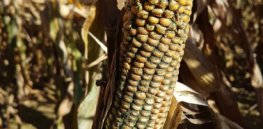
Natural is better? Fungus used in organic pesticides may cause ‘severe rot’ in corn, study finds
Protecting crops against pests and diseases is essential to ensure a secure food supply. Around 95 percent of food comes ...
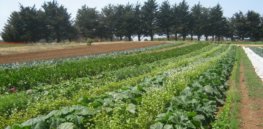
Agroecology must be based in reality, not romanticism, panelists agree
Agroecology has a role to play in transforming agriculture — so long as the movement doesn’t trump the science or ...
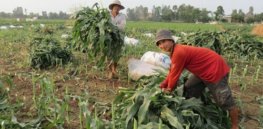
GM insect-resistant Bt corn boosts crop yields over 30%, cuts insecticide use 78% in Vietnam, study finds
This study assessed the farm-level economic and environmental impacts from the use of genetically modified (GM) corn in Vietnam (resistant ...

‘Regenerative’ agriculture: Organic farming buzz word, or the path to sustainable food production?
The goal should be sustainability, not trying to advance an ideology ...

Estimated 140,000 plants facing extinction, report finds, threatening progress in medicine, farming
Plants and fungi hold promise as future medicines, fuels and foods, according to the Royal Botanic Gardens, Kew. But opportunities ...

‘More harm than good’: How well-meaning urban beekeepers can jeopardize wild colonies
Urban beekeeping has grown so trendy that it may be doing more harm than good — with the practice becoming ...
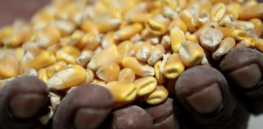
Nigeria’s maize import ban could boost adoption of GM varieties
Though a ban on maize imports could accelerate Nigeria’s adoption of genetically modified (GM) TELA maize, it may be two ...

Viewpoint: There’s nothing wrong with organic farming, but it’s not the ‘pinnacle of sustainability’
Organic food sales in the United States reached $50.1 billion in 2019, up 4.6% from the previous year, according to ...
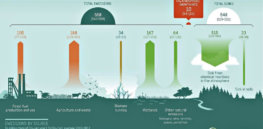
Infographic: Cows cause climate change? Agriculture scientist says ‘belching bovines’ get too much blame
A recent interview by Caroline Stocks, a UK journalist who writes about food, agriculture and the environment, of air quality ...

Viewpoint: GMOs don’t boost crop yields? Yes, they do. Here’s the evidence
[A]doption of GMOs does, in fact, increase ultimate crop yield. The myth that they don’t is mostly due to the ...

Novel resistant genes for late blight, disease behind 1840s Irish Potato Famine, discovered
Late blight, the most important and most destructive pathogen of potato, was caused by the microorganism Phytophthora infestans. Late blight is ...
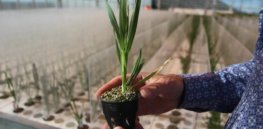
GMO barley could help produce key lab-grown meat ingredient
Using abundant geothermal waters for heating and volcanic ash instead of soil, biotech company ORF Genetics is growing barley [in ...
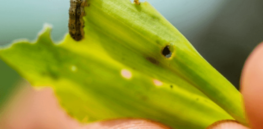
Self-limiting ‘Friendly’ technology offers hope for controlling fall armyworm without pesticides
Oxitec, the Oxford University spinoff company that produces environmentally-friendly insect control solutions, [September 24] announced a collaboration with the life ...
