


Health & Medicine
Will there ever be a cure for addiction? Scientists weigh in
Up top we should note that there are many different kinds of addiction, and many different kinds of people, and ...
Tinnitus and COVID vaccines: Cases grow prompting calls for more research
It's now known that tinnitus may be an unexpected side effect of SARS-CoV-2 vaccination, and there is an urgent need ...

Viewpoint: UN sub-agency IARC bungled cancer designation of glyphosate and undermined science of assessing carcinogens
Testing for chemical carcinogenicity using animals is timely, costly, and for some, morally wrong. Non-traditional data consists primarily of quick, ...

When it comes to improving sleep, resistance training may be better than aerobic workouts
Resistance training — weight machines, free weights, cables, etc. — may be better at generating quality sleep than aerobic exercise, ...

Menopause before 40? It could pose an added risk of dementia
Entering menopause before age 40 is linked to a 35% higher risk of developing dementia later in life, a preliminary ...

There’s a nationwide shortage of Black sperm donors. Here’s why
There has been a shortage of Black sperm donors and all donors of color for years, industry experts said. The ...

Viewpoint: How Consumer Reports offers up a dish of bad and biased advice about what we should eat, and why
Consumer Reports (CR) promotes itself as an unbiased source of a wide variety of product ratings. It also publishes Should ...

What’s the best way to reduce the risk of preventable cancers of the stomach, kidneys, colon, breast and urinary tract? 5 hours of exercise a week
A new report finds more than 46,000 cancer cases annually in the United States could be prevented if Americans met ...

Can chocolate really kill dogs?
Unlike cats, which lack the ability to taste sweetness, dogs find chocolate just as appealing as humans. But while the ...

1 out of every 3,000 people: Simple and now inexpensive whole genome test could diagnose risks of developing neurological disorders
A simple test could end years of uncertainty for people with relatively common neurological conditions, new research has found. Historically, ...
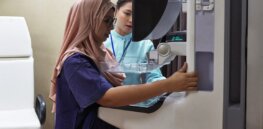
1 in 7 breast cancer diagnoses are false alarms. How should that affect your decision to get a mammogram?
Catching cancer early in a mammogram can be life-saving — smaller tumors are easier to remove surgically, and therapy often ...

Is organic food healthier or just a lifestyle buzzword? A nutritionist weighs in
“Organic” has become a buzzword, and these products are marketed as a healthier alternative to conventional options. An important question ...
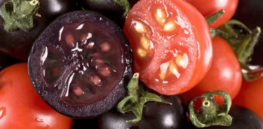
Purple tomatoes? Superfood genetically engineered tomato rich in antioxidants nearing United States rollout
The purple tomato was created by Cathie Martin at the John Innes Centre in the UK. In 2008, her team reported that ...
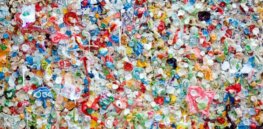
Viewpoint: Here’s why you should be concerned about nanoplastics
Tire particles from the world’s billions of cars, trucks, bikes, tractors, and other vehicles escape into air, soil, and water ...

Women who experienced both sexual assault and workplace harassment have 21% increased risk of hypertension, study finds
Women who experience sexual violence, workplace sexual harassment or both have a higher long-term risk of developing high blood pressure ...

Study challenges health orthodoxy: Vegetable-rich diet alone does not reduce heart disease risk
Vegetables may be good for you, but eating a lot of them is unlikely to reduce your risk of a ...

From sex to drugs to alcohol to gambling, addiction ruins lives. This new book ‘The Urge’ offers insights and hope
Our culture, ever on the lookout for easy, unambiguous answers to the predicament of being flawed and often unhappy humans, ...

Can alcohol-free beer ever taste as good as a genuine brew? Yes, finally, thanks to genetic tinkering
Finally, researchers have found a way to brew non-alcoholic beer that tastes just like regular beer. Even more, the method ...

How traffic and other urban stresses adversely affect plants
That plants can be hampered indirectly by noise pollution has never been in doubt. Since most flowering species depend upon ...

Tired of taking off your mask to unlock your phone? Apple’s face recognition now works when wearing face coverings
Apple Inc.’s next iPhone software update will finally address a grumble that’s been bugging users since the Covid pandemic started: ...
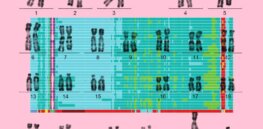
It’s been almost 20 years since the first crude map of the human genome was released. Here’s what we’ve learned
In October 1990, biologists officially embarked on one of the century’s most ambitious scientific efforts: reading the 3 billion pairs ...
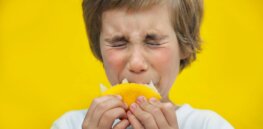
Why have humans evolved to like sour foods?
Scientists don’t know much about how our acidic taste evolved. Enter Rob Dunn. The North Carolina State University ecologist and ...

How genetics explains in part why Black women are more likely to to die of breast cancer
Black women have a 31% breast cancer mortality rate – the highest of any U.S. racial or ethnic group. Additionally, ...
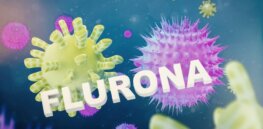
Flurona: How likely are you to get both COVID and the flu simultaneously?
Since the beginning of the COVID-19 pandemic, public health experts have worried about people getting infected with the influenza virus ...

Viewpoint: ‘Scientists seeking attention resort to promoting oversimplified food fads’ — Be cautious of clickbait claims that foods accelerate dementia
Can avoiding certain foods reduce your dementia risk? One nutritional psychiatrist seems to think so, but the evidence is much ...

How understanding human genetics and calorie restrictive diets can extend our lifespans
Decades of research has shown that limits on calorie intake by flies, worms, and mice can enhance life span in ...
Viewpoint: Claiming natural pesticides are ‘good’ and synthetic pesticides are ‘bad’ misses the science — it’s the dose that matters
Some folks rave about food grown organically, erroneously thinking no pesticides were used in its production, whereas food grown with ...
