


Daily Food & Ag Digest

GMOs vs gene edited crops and animals: Are there meaningful distinctions?
Producers have been breeding plants and animals for desired traits, including higher yields, better taste and flavor, and disease resistance ...
Blue steak: Here’s how one start-up believes it can crack the cell-based food market with whole-cut tenderloins and filets
Barcelona-based bioengineering startup Novameat claims to have created the world's first meat substitute composed of ingredients sourced from every one of the ...

‘Eating is believing’: How Nigerian consumers are taking to new GMO cowpeas
"I've tasted the akara GMO," [All Farmers Association of Nigeria Chairman Otunba Oke Babafemi] exclaimed at the inaugural Eating is ...

Why our bodies prefer natural sugar to artificial sweeteners
Your taste buds may or may not be able to tell real sugar from a sugar substitute like Splenda, but ...

China pushes ahead with GMO crops to safeguard food security
As China moves to expand production of genetically modified crops, it’s taking steps to counter pockets of GMO opposition that ...

Viewpoint: Will successful GMO pig heart and kidney transplants challenge anti-biotechnology mindsets?
What if pigs were to grow hearts and save human lives? This dream became a reality earlier this month when ...
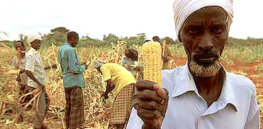
Viewpoint: How European activists’ opposition to cutting edge crop technologies undermines global sustainability efforts
Well-funded non-governmental organizations (NGOs) — both in the EU and the U.S. — regularly pour millions of dollars into lobbying ...
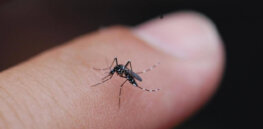
‘100 peer reviewed safety studies’: Here’s the skinny on eradicating disease-carrying insects with ‘self-limiting’ genetic technology
Oxitec’s Friendly male mosquitoes are engineered using precise genetic tools; they are just like their wild relatives — but with ...
How GMO food labels impact consumer choices
Researchers from Neoma Business School, Concordia University, and University of Wisconsin-Madison published a new paper in the Journal of Marketing that examines how ...

‘Paying the price for productivity’: Studying ancient barley, safflower and lentil grains can help us recover lost nutrients
What can we learn from the past to address modern problems in food quality and nutrition? This is the question ...

Meet the next generation of California farmers: Robots
In California, the breadbasket of America, more than half of farmers there told a survey that they were unable to ...

Podcast: Could the food we eat be fueling a surge in autoimmune diseases?
Could the food we eat and the air we breathe be damaging our immune systems? The number of people with ...
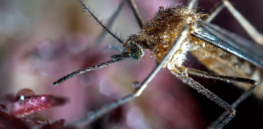
How CRISPR gene editing technology can eliminate disease-spreading mosquitoes
Scientists have uncovered a new technique they call the “precision-guided sterile insect technique,” or pgSIT. While most CRISPR procedures affect ...

Viewpoint: Plight of the honeybees? ‘Not only are they not in need of saving, they could be causing problems for native pollinators who are’
I’d first read about the plight of bees in 2006, when people started noticing that honeybees were dying in large ...

‘No simple answer’: Will cell-based meat and fish gain acceptance as Halal or Kosher?
As cultured animal proteins begin to hit markets worldwide, consumers are looking to religious authorities for answers on whether lab-grown ...

A million animal and plant species are at risk of extinction. Could we tweak their genes to help them adapt to a changing world?
The United Nations has warned that about a million animal and plant species are at risk of extinction. In response, conservation breeding ...

‘Stretched to a breaking point’: UN report outlines sustainable farming roadmap to address climate change and environmental challenges
Almost 10% of the 8 billion people on earth are already undernourished with 3 billion lacking healthy diets, and the ...

Famed Israeli food critic was challenged to a taste test to choose between cell-grown and natural chicken. Here’s what happened
Renowned Israeli gastronome Michal Ansky knows her food. She’s a professional taster and a Master Chef judge. So when she was invited ...

What’s on the alternative meat UK menu: Plant-based proteins, cultivated meat and edible insects
New research from the Food Standards Agency is investigating how willing consumers are to taste test alternative protein products. The ...
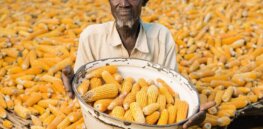
Viewpoint: ‘Pesticide toxicity has plunged by 98%’ — Misplaced campaign targeting synthetic farm chemicals ignores sustainable advances
Modern agricultural technologies, including genetic modifications, synthetic fertilizers, and pesticides to control crop killers are increasing productivity. As a result, ...

Remaking meat: On the cusp of a new era of plant-based protein products
Exciting up-and-coming plant-based startups across the world are quietly amassing millions of dollars, innovating on novel technologies and getting ready ...

‘Sweet and mild’: Non-GMO ‘tearless’ onion goes on sale in the UK after decades in development
The Sunion onion is perfect for those with sensitive eyes as well as for cooking in the kitchen with children, ...
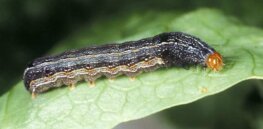
Reducing insecticide use with CRISPR: Gene editing could naturally rollback pesticide resistance evolution in disease-carrying insects
Insecticides play a central role in efforts to counter global impacts of mosquito-spread malaria and other diseases, which cause an ...
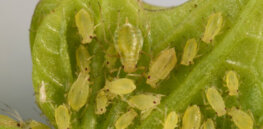
England authorizes emergency neonicotinoid use to protect threatened 2022 sugarbeet crops
Defra has [January 14] approved an emergency temporary authorisation for the use of a neonicotinoid pesticide treatment on the 2022 sugar ...
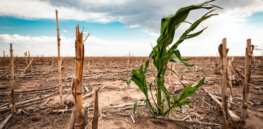
5 ways gene editing is making crops climate-resilient
Our world is undergoing climate changes that have triggered a spate of calamitous disruptions on agricultural production and overall food ...

How climate change is roiling the global insect population
The climate crisis is set to profoundly alter the world around us. Humans will not be the only species to ...

Viewpoint: Why aren’t Canada and the United States growing sustainable, genetically modified wheat?
It’s safe. It would help farmers deal with drought, support biodiversity, protect the environment and decrease a farms carbon footprint ...
