


Daily Food & Ag Digest

From beer hops to tropical cocktails, we are beginning to see a spectacular explosion of flavors and smells, thanks to genetic modification
Someday the flavors and smells added to most foods and drinks could be created in yeast-brewing tanks rather than extracted from plants ...
Challenging food protectionism: Understanding what’s stifling precision fermentation and cellular agriculture movements
“There is an enormously bright future for precision fermentation and cellular agriculture; the efficiencies alone make that true,” Bill Liao, ...
Untapped renewable energy: Roasting cast-off pistachio shells
Pistachios, a popular snack worldwide, generate a substantial amount of waste in the form of hard shells. Typically, these shells ...
Pineapple scraps don’t have to go to waste — they can be used to make bioplastics
A collaborative research between universities in Thailand and Malaysia have developed a unique kind of bioplastic sheet using pineapple stems from ...
Future food: Carbon-neutral chicken, 3-D printed cake and 8 other foods likely to be on your plates soon
Here are 10 products coming soon to your plates that are set to redefine our gastronomic experiences. Plant scientists at ...

Another AI task: Addressing global hunger and food security
Producing what we need to eat puts an enormous burden on both the climate and the environment. Yet, at the same time, ...

Viewpoint: Canadian government incentives to boost agricultural sustainability lags while billions are given away to high-tech ventures. Here’s why that needs to change
This federal government appears to look at almost every decision through a climate change lens. For better or worse, Ottawa ...
$6.2 billion: That’s how much will soon be spent each year to test seeds and food for signs of genetic modification
According to a new report published by Allied Market Research, titled, “GMO Testing Market," The GMO Testing Market Size was ...

In surprise finding, transition to organic farming leads to decline in bats – at least temporarily
Organic food without pesticides, hormones, fertilizers, herbicides, antibiotics, artificial chemicals, and genetically modified organisms is regarded by many as being better ...

Viewpoint: Outdated organic fanaticism holds back agricultural sustainability — Recent head of Swiss-based Research Institute for Organic says organic embrace of gene-editing would end ‘polarization’
The EU plans to exempt techniques such as CRISPR from the strict restrictions on green genetic engineering, provided that the ...

90% adults fall short of eating their daily recommended vegetables. Could gene-edited salad greens make a difference?
A food and agriculture startup called Pairwise developed CRISPR-edited vegetables to make them more palatable. They created a breed of ...

‘More than just eating bugs’: Future proteins made from fungi, algae, and bacteria offer sustainable alternatives to current global diet
Would you eat a burger enriched with mealworms? Fake bacon sliced from a mass of fermented fungi? Milk proteins extruded ...

Hunger and malnutrition are soaring in Africa. There is a helpful solution: GM crops
Hunger and undernourishment are two elements of food insecurity that have plagued Africa for years. And the menace is growing ...

Feeding China’s gargantuan meat appetite releases gigatons of carbon. Could cultured meat address soaring demand and climate disruptions?
The largest protein markets in Asia need to massively scale up their adoption of novel meat substitutes in the coming ...

Here’s how to capture carbon dioxide in the atmosphere — and why it’s so important
Carbon sequestration is the process of capturing atmospheric carbon dioxide — the most commonly produced greenhouse gas — and storing it in ...
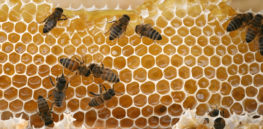
Downside of the amateur beekeeper craze: Honeybees are not endangered and raising them reduces food availability for native bee species
It's morning on a City of London rooftop. But that rooftop itself is a little oasis: a tennis court-sized patch ...

Combining AI and CRISPR: Gene-edited hardwood trees increase carbon sink potential of deep forests
Researchers are using the revolutionary gene-editing technology CRISPR to breed unique, pulp-abundant poplar trees that, as laid out in a study ...

Is MSG a ‘silent killer lurking in your kitchen cabinet’? Debunking Joe Mercola’s hysterical ‘MSG can harm you’ myth
MSG has been used as a flavor enhancer for several thousand years. It is one of the key components of ...

Strawberries are often perfectly shaped, humongous and uniform — but the flavor leaves much to be desired. Genetic engineering could change that
Native strawberries have been grown in the British Isles for centuries. But the ones we eat today are the product ...

Glyphosate will be re-authorized for 15 years as safe by the European Commission, according to leaked documents
The European Commission is readying a proposal for the controversial herbicide glyphosate to receive a full stamp of approval from ...

Viewpoint: Queen of Green Social Justice or Reckless Green-Revolution Rejectionist — Who is the real Vandana Shiva?
Indian activist Vandana Shiva opposes the tools and practices of modern agriculture and science and advocates regressive policies that cause ...
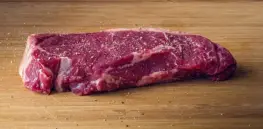
Future protein: ‘If meat-loving habits prove too hard to shift, the obvious solution is to replace meat with meat’
Globally, 80 billion animals die for our dinners each year — and a joint report by the United Nations and the ...

Rethinking sustainability: Does nutritional value of dairy products offset environmental impacts of milk production?
Researchers from Virginia Tech's School of Animal Sciences analyzed global data to better understand the holistic role of the dairy ...

Balancing economics and sustainability: What would a future without glyphosate weedkiller look like?
Ongoing public debate about glyphosate has led some to question what the impacts would be if it were no longer ...
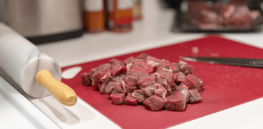
Fact checking lab-grown meat rejectionists: No, animal cells used to make cultivated meat do not cause cancer
Meat grown in labs is made using cells taken from animals, but those cells are not cancerous and there are many ...

Here are the real reasons why Greenpeace rejects genetically engineered crops even when they are more sustainable
Greenpeace was very positive about green genetic engineering in the 1980s because the environmental organization saw it as an opportunity ...

Sheep ‘burp’ methane gas, which has 80 times the warming impact of carbon dioxide. Can we genetically engineer them to be more sustainable?
Farmers are looking to reduce their greenhouse gas emissions in a weird and wonderful way: using genetically engineered, low-methane sheep ...
