


Daily Human Digest
Not so-sterile brains? Researchers find harmless bacteria living there
In the latest example of bacteria being "literally everywhere," scientists appear to have found evidence of microbes living harmlessly in ...
Attacking Parkinson’s with ‘reprogrammed’ stem cells
Japanese neurosurgeons have implanted ‘reprogrammed’ stem cells into the brain of a patient with Parkinson’s disease for the first time ...

Only half of psychology studies can be replicated. That’s a big problem
Over the past few years, an international team of almost 200 psychologists has been trying to repeat a set of ...

‘Wild and frightening possibilities’: How AI and genomics could affect reproduction
[Jamie] Metzl is a senior fellow at the Atlantic Council and author of the upcoming book Hacking Darwin: Genetic Engineering and ...

What if you think you’re Black, but your DNA test disagrees?
Three years ago, when Sigrid E. Johnson was 62, she got a call from a researcher seeking volunteers for a ...
Is there any evidence to support ‘leaky brain’ theories?
Three years ago Mark Crislip wrote about leaky gut syndrome for SBM. He said, “because of an almost complete lack of supporting basic ...

How air pollution could increase risk of autism
Prenatal exposure to ambient air pollution was associated with an increased risk of autism spectrum disorder, a new study finds ...
UN rejects gene drive moratorium, but agrees to some limits
Nations rejected a proposal to temporarily ban the release of organisms carrying gene drives — a genetic-engineering technology designed to ...

Why teaching evolution is still difficult in many public schools
[November 12] marked the 50th anniversary of the Supreme Court’s decision in Epperson vs. Arkansas, which struck down the state’s ...

Making a push for synthetic biology in Europe
Within a few years synthetic biology has evolved from being a new player in the molecular biology and biotech arena, ...
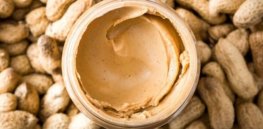
Countering severe peanut allergies through oral immunotherapy
Mom Monica Glover said the family discovered Ellis' peanut allergy when she was about 3. … Glover seized the opportunity ...

Lab-grown ‘mini brains’ are similar to those of premature babies and why that’s a concern
‘Mini brains’ grown in a dish have spontaneously produced human-like brain waves for the first time — and the electrical ...
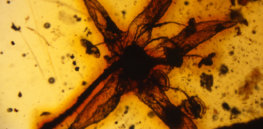
Why Darwin’s ‘abominable mystery’ may not be all that mysterious
For 140 years, scientists have been trying to explain what Charles Darwin described as “an abominable mystery”. Darwin was bothered by evidence ...

Rewired brain: Faulty autism gene may affect expression of other genes
TBR1 is among a select set of genes with strong ties to autism. The new findings explain that connection: Mutations in TBR1 may disrupt ...

‘Have and have nots’: Future of biotech is human modification
[I]n the next decade, the phrase [“have and have nots”] might mean "modded or unmodded"—as in, "have you been modified?" ...

Chinese researcher’s claims of gene-edited babies prompts investigation
A Chinese researcher who claims to have created the first gene-edited babies, He Jiankui of the Southern University of Science and ...
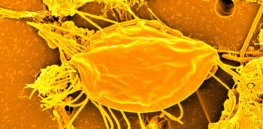
This tiny creature gives us a ‘completely new branch on the tree of life’
Canadian scientists have identified microscopic creatures that are so unlike anything seen before, they had to create an entirely new ...

DNA test for your dog? Here’s what your vet thinks about it
[T]he direct-to-dog-owner market has become bigger and more crowded: Embark, DNA My Dog, and Paw Print Genetics are just a few ...

Like riding a bike: Why do we never forget some things?
So how is it that we can ride a bicycle when we haven’t done so in years? As it turns ...

Can we use plants to grow human tissue and body parts?
[Dr. Andrew Pelling] wanted to see whether grocery-store-bought plants can supply the necessary structure for engineering replacement human tissues. … Under ...

Whether you prefer coffee or tea may depend on your DNA
Whether people prefer coffee or tea may boil down to a matter of taste genetics. People with a version of ...

Neanderthals and humans lived equally ‘risky, stressful lives’
Life as a Neanderthal was no picnic, but a new analysis says it was no more dangerous than what our ...

How female psychopaths differ from their male counterparts
It is important to keep in mind that psychopathy is a personality disorder. As such it is classified as a mental illness, and ...
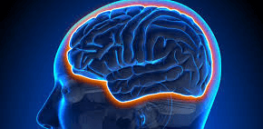
Using molecular trickery to cross the blood-brain barrier
[There are a] number of methods that are being used to break down the [blood-brain] barrier that keeps drugs for ...

Change, resilience and the mysterious human microbiome
Our microbiome is an inner ecology of Planet Us. And thought of in that context, two new small, exploratory studies, may ...

How AI can make gene editing ‘more accurate, cheaper and easier’
One of the most exciting prospects about gene technology is the development of precision or personalized medicine. The field, which ...

Stem cells’ ‘memories’ of past injuries may contribute to chronic inflammation
Stem cells, famous for replenishing the body’s stockpile of other cell types throughout life, may have an additional, unforeseen ability ...
