


Daily Human Digest

Who is a Jew? Dangers of obsessing over ‘Jewish genetics’
The Jewish world has been obsessing over genetics recently. Are we or are we not white? Has the Khazar hypothesis been conclusively disproven? All these are interesting questions ...

Is ‘light drinking’ while pregnant really that bad?
Drinking in pregnancy is a fraught issue and causes much anxiety. Last year new guidance to the NHS in England ...

Homeless ‘tent cities’ ripe for infectious disease outbreaks
[The] luxury of modern life is due to the strong defense provided by the "pillars" of our public health system. According ...

Multiple sclerosis added to list of diseases exacerbated by gut microbes
The trillions of bacteria that live in our intestines, known collectively as the gut microbiome, have been linked to maladies ...

Simulated ‘cellular suicide’ could help control chronic inflammation
Inflammation, in particular, is vital to fighting infection or healing wounds. If it lingers, however, it can cause more harm ...

‘Designer babies’ just around the corner? More scare than science
As CRISPR technology advances, old fears about 'designer babies' resurface. But we are a long way from being able to ...

New pathway for spread of antibiotic resistance: ‘Membrane blebbing’
Unlike animals, bacteria can readily share genetic information with other bacteria, even those of entirely different species. [...] For decades, ...
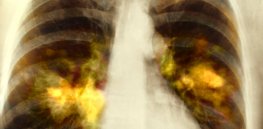
Lung tumors identifiable by single-photon light
Scientists in the UK have developed a new technique that uses light to locate objects deep within biological tissue and ...

Viewpoint: Mayo Clinic’s embarrassing embrace of ‘alternative’ and ‘complementary’ medicine now includes nutrition
[Editor's note: Kevin Klatt is a PhD candidate in nutritional sciences at Cornell University.] The prestigious Mayo Clinic regularly gets itself ...

Why viruses, like Ebola and deadly flus, are not ‘living’
Viruses are responsible for some of the most dangerous and deadly diseases including influenza, ebola, rabies and smallpox. Despite their ...

Genetic testing pitfall: Major genetic company missed 50,000 cancer screenings
As fun as it is to find out where your great-great-great grandparents came from, the real promise of genetic testing ...

Mystery Norwegian jelly-like blobs stump marine biologists
Giant, jelly-like blobs have been sighted off the western coast of Norway, but the identities of these mysterious objects have ...

Can we ‘bring back’ long extinct Galápagos tortoises?
Many members of the two species of tortoises — marked by the distinctive saddleback shape of their shells — were ...
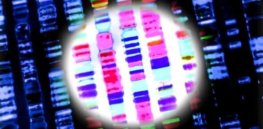
23andMe chasing Parkinson’s clues through genomic data mining
In 2015, 23andMe began inking lucrative research agreements with pharma giants like Genentech and Pfizer, in addition to launching its own R&D ...

Why is type 2 diabetes difficult to diagnose in African Americans?
One of the tests used to diagnose type 2 diabetes and monitor blood sugar control is influenced by 60 genetic ...

Artificial intelligence uses facial features to detect sexual orientation
AI’s power to pick out patterns is now turning to more intimate matters. Research at Stanford University by Michal Kosinski and Yilun ...
Why do gene therapy treatments cost so much?
The first gene therapy treatment in the United States was approved recently by the Food and Drug Administration, heralding a new ...

Genetics and obesity: Expanding waistlines can’t be blamed on poor lifestyle choices alone
The sources of obesity look more biological, and less psychological, which opens new avenues toward addressing the crisis. Finding answers ...

How genes influence mouth bacteria and tooth decay
The composition of our oral bacteria when we are very young is predominantly influenced by our genetic background. But as ...

Tiny genetic alteration linked to devastatingly large brain size
An international collaboration led by scientists and doctors from the UK, Netherlands and United States has identified a new genetic ...
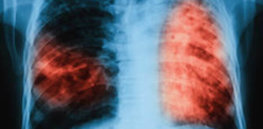
Genes suggest who is most likely to get tuberculosis
Tuberculosis is caused by Mycobacterium tuberculosis. In 2016, this was the most common causative pathogen for death by infectious diseases. Therefore, ...

Diabetes and heart disease share common genetic links
Scientists out of the University of Pennsylvania’s School of Medicine say that they’ve uncovered 16 new genetic risk factors for ...

Some antibiotic resistance in humans may trace to feeding strategies at fish farms
The mucky sediment below fish farms usually teems with antibiotic-resistant bacteria. The presence of such bacteria is a cause of ...

Will the public embrace CRISPR to ‘edit out’ birth defects as it has other reproductive technologies?
As CRISPR becomes more widespread, will the public accept gene-edited alterations in the same way we embraced in vitro fertilization? ...

Evidence confirms likely link between regular exercise and reduced cancer risk
Researchers have long recognized an epidemiological link between exercise and a lower risk of certain cancers, including breast cancer. But ...

Antarctic glaciers may be hiding undiscovered life
Is there an undiscovered colony of plants, algae and small animals living in caves beneath glaciers in the Antarctic? That’s ...

Is brain hacking possible?
Accessing the human brain to enable functional connections with electronic technology may sound incredibly futuristic, but a handful of entrepreneurs, ...
