


Daily Human Digest

Genetics for public health: A lost cause?
Its power for discovering rare diseases is well proven. But genetics’ impact on public and preventative health has a long ...

Artificial intelligence, more data hold keys to curing cancer
Although there are various treatments available that are improving all the time, there is still no cure for cancer. Research ...

Step toward synthetic life: Genetic code expanded from four to six letters
[T]he first living organisms to thrive with an expanded genetic code have been made by researchers in work that paves ...
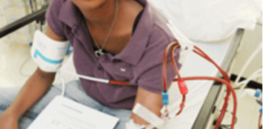
Racial differences in medicine? Kidney disease disparity in African Americans linked to ‘beneficial’ gene variant
While kidney disease is widespread, it disproportionately affects certain populations: African Americans and others of recent African ancestry are more ...

Schizophrenia linked to mutation of memory, sense-of-direction gene
Mutations in a gene that should enable memories and a sense of direction instead can result in imprecise communication between ...

How Neanderthal DNA shaped the human genome
[These excerpts were taken from a New York Times interview with John Anthony Capra, an evolutionary genomics professor.] Geneticists tell ...

Viruses ‘talk’ with each other to plan attacks on cells
[Israeli scientists have accidentally] discovered for the first time an instance of viruses leaving messages for other viruses. ... Viruses ...

US adults wary of gene editing: What does that mean for medicine?
The Pew survey revealed that 50 percent of U.S. adults said they would not want genetic editing and 68 percent ...

Will the next FDA commissioner speed up drug approvals?
[I]t’s gratifying that all of the people whose names have been floated for FDA Commissioner...[understands] that there is fundamental tradeoff ...
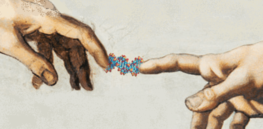
Playing God? CRISPR patents could reduce ‘designer baby’ ethical concerns
While few would object to editing genes to cure devastating diseases, CRISPR technology has the potential to alter the health, ...
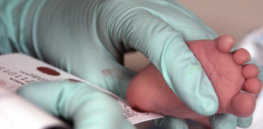
How much do you really want to know about your baby’s genes, health risks?
Newborn screening is mandatory in most states...However, now that scientists have developed methods for sequencing the entire genome, what would ...

Can probiotics help those suffering with metabolic syndrome, obesity?
In recent years, efforts to manage metabolic syndrome have fallen in with the lucrative, but untested weight loss market. Chief ...

4 ways stem cells could change health and medicine
We are at the cusp of a stem cell revolution. Understanding and harnessing these unique cells may unlock breakthroughs in ...
Whole genome sequencing fuels DNA ‘intelligence revolution’
We’ve entered a new phase in the history of whole genome sequencing (WGS). Consider that researchers at University of Toronto ...

Our voices and smartphones may soon help diagnose diseases and stress disorders
Voice samples are a rich source of information about a person’s health, and researchers think subtle vocal cues may indicate ...

Stem cell therapy shows promise in toddler with Down syndrome
A three-year-old baby -- born with Down syndrome and having subnormal motor skills -- has shown improvement after undergoing stem ...

‘Social network’ of genes could reveal disease pathways
Although the human genome has been mapped, many questions remain about how genes are regulated, how they interact with one ...

Neanderthals may have shrieked, rather than grunted
The sounds of the Stone Age may have been even less dignified than we thought. A vocal expert working with ...

Spread of pancreatic cancer fueled by epigenetic changes
[Editor's note: Excerpts are from an interview with Andrew Feinberg of Johns Hopkins, whose research shows how epigenetics affects the spread of ...

Smartphone microscope could analyze DNA in the field
Scientists have built a DNA-analyzing smartphone attachment that is a fraction of the cost of lab-based kit. ... They say ...

Elephant genetics offer promise in fight against cancer
It’s an odd phenomenon that scientists have observed: elephants rarely get cancer despite their massive size, and, presumably, more cell ...

Can microbes be turned into tiny chemical factories?
Machine learning and artificial intelligence are all the rage today in venture capital circles...What happens when machine learning meets biology? ...

Epigenetics Around the Web: Alzheimer’s drug moves closer to patients
Epigenetics Around the Web is a weekly roundup of the latest studies and news in the field of epigenetics presented ...

Society, not testosterone, is the driving force in sex, equality
[Editor's note: Excerpts are from a review of a book by writer Cordelia Fine, who challenges the notion that testosterone ...

Brief oasis of oxygen could have supported complex life 2.3 billion years ago
Earth is thought to have begun to develop its modern, oxygen-rich atmosphere as recently as 800 million years ago. This ...

Lack of exercise, as much as genetic factors, may contribute to dementia
One of the biggest risk factors for Alzheimer's disease is the apolipoprotein E (APOE) e4 gene. According to the Alzheimer's ...

Curiosity about ideas, experiences may be related to higher cognitive ability
[An international team of 60 researchers], led by Todd Lencz from the Feinstein Institute for Medical Research, studied the genes ...
