


Daily Human Digest

What human evolution says about using CRISPR to edit diseases out of patient’s genome
Using CRISPR, scientists may soon be able to cure sickle cell disease by correcting the causative gene from blood cells ...

CRISPR’s promise: Balancing the benefits and risks of human gene editing
[W]hat if I told you [that a genetic mutation for cancer], passed down from generation to generation, can be snipped ...

Sickle cell cure now seen as possible as scientists remove faulty gene with CRISPR
Researchers have found a way to repair the faulty gene that causes sickle cell disease, which they suggest is a ...

Having children may cause your cells to age faster than normal
Women who give birth may be biologically "older" than women who don't, a new study suggests. For the study, the ...

Disease-carrying mutations target of mega-sized human genome data crunchers
[R]esearchers at Columbia and Princeton universities describe a new machine-learning algorithm for scanning massive genetic data sets to infer an ...

How did our ancestors colonize remote South Pacific islands?
Some 3,400 years ago,...people on the Solomon Islands left their white sandy shores for the cerulean seas of the South ...
Gene mutation that slows down brain activity found in people with autism
There is currently no cure for autism or treatments that tackle the core symptoms, only behavioral therapies and medications that ...
Bioethicists should “get out of the way” of groundbreaking germline-altering research
As psychiatrist and American Enterprise Institute scholar Dr. Sally Satel has written, there are indeed complex and difficult questions in ...

Designer bacteria: Genetically modified pills are a radical new way to treat rare stomach ailments
Designer bacteria are organisms that have been genetically modified to include a new function to make it do something it ...

How the ‘Millennial Brain’ has evolved to flourish in today’s interconnected world
While Millennials have been heavily criticized for their obsession with technology, they have been evolving as collaborators, multitaskers and consumers ...

Regrowing limbs? Gene map of how lizards regrow tails offers insight to human regenerative medicine
Geneticists have mapped the process by which the green anole lizard can regrow a functional tail. This process may offer ...

Why Neanderthals did not survive side-by-side with humans
The Neanderthals, who once colonized Europe and Asia, became extinct about 30,000 years ago – but not before interbreeding with ...
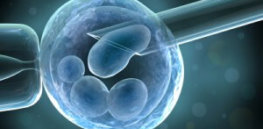
‘Three-parent’ IVF: Why the controversy, why the success
[Three-parent IVF] is rapidly progressing, causing widespread discussion on the ethics and social concerns of such a procedure. Although the donor ...
Probabalistic genotyping: Controversial new frontier in DNA crime investigations
Cybergenetics [is] a private company that makes TrueAllele, a “probabilistic genotyping” software program[, which developers say can] remove human bias from ...

Fighting fat: Obesity is gene linked but losing weight is an act of will
You might be able to blame your genes for weighing more and increasing your risk of obesity, but you can ...

Our technology-driven 4th Industrial Revolution–What questions should be asked?
We live in an age of transformative scientific powers, capable of changing the very nature of the human species and ...

Brain injuries may be treatable using stem cell therapy
Results of a cellular therapy clinical trial for traumatic brain injury (TBI) using a patient’s own stem cells showed that ...

Andrew Revkin on the spectacular rise of humans: Journey into the Anthropocene
It’s been only a few decades since science began building a picture of the backstory to [humankind's] spectacular ascent. It’s a story ...
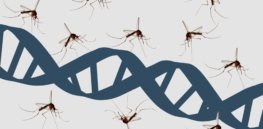
How gene drives work to permanently establish inheritable traits
In recent history, techniques such as PCR, large scale DNA sequencing and CRISPR-Cas9 fall into this category. More commonly than designing techniques from ...

Why faulty genes don’t always lead to disease
We usually think of mutations as errors in our genes that will make us sick. But not all errors are ...
Should parents get preconception genetic testing?
Preconception genetic testing—also called carrier screening—is a way for parents to get a glimpse at their own genetic makeup and ...

Smoking one pack of cigarettes each day can cause 150 DNA mutations in single year
Smoking a pack of cigarettes a day causes an average of 150 mutations a year in lung cells, according to ...

Are flu shots effective? Your genetics determine how the immune system responds
Not all people are the same in terms of how well a vaccine works. The research also suggests a tactic ...

Florida Keys voters back trial release of Zika-fighting GMO mosquitoes
On Tuesday, voters in the Keys voted by a solid majority to go ahead with a plan proposed by British ...
Modifying gene-delivering viruses decreases risk of cancer in gene therapy
Scientists have developed a new safer gene therapy that may reduce the risk of cancer and can be used for ...

Pituitary problems decrease production of oxytocin, reduces empathy
Oxytocin is a hormone...[that] has earned the nickname "the love hormone" because we secrete it when we form bonds with our ...

Genetically altered mosquitoes have proven their reliability in tests across the globe
[In November 2016,] the first U.S. experiment to release genetically modified (GM) mosquitoes into the wild gets put to a ...
