


Science Literacy Project Daily Digest
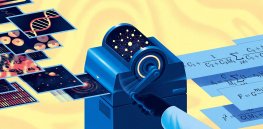
Holy grail for agricultural science? What role could artificial intelligence (AI) play in growing more food?
We need to merge artificial intelligence with synthetic biology, a field of science that involves redesigning organisms to have useful ...
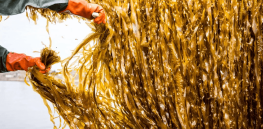
Mmmm, kelp burgers! Would you swap meat for seaweed?
Consider, if you will, the possibility that we left our most promising resource behind in the ocean. Will you swap ...

18,000 years of cannabis: A genetic history of marijuana
Cannabis and humans, it’s hard to think of a better pair. Homo Sapiens owe much of our success as a ...
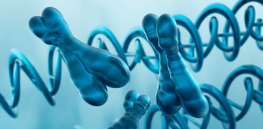
Many men have an extra X or Y chromosome — and it could increase risks of diabetes, heart disease and infertility
Having an extra chromosome can raise the risk of certain health conditions. Those having Klinefelter syndrome (KS) or an extra ...
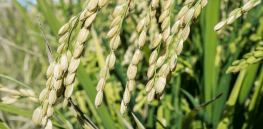
Climate change-fighting rice? Plants trap carbon dioxide as they grow — and CRISPR gene editing can optimize this process
Can gene-editing technology CRISPR create new crops that help fight climate change as they grow? That’s what a group of ...
Viewpoint: Why Europe’s proposed Green Deal Farm to Fork strategy will be a disaster for Africa
Agricultural programs funded by the EU have in the past mainly focused on the technologies that Europe wanted to promote ...

How growing up in a poor neighborhood can damage a child’s developing brain
Children growing up in more disadvantaged neighborhoods — meaning those with poor housing quality, more poverty, and lower levels of ...

‘Absurdly crude and misleading’: Why some scientists believe evolution theory could be due for an update
The basic story of evolution, as recounted in countless textbooks and pop-science bestsellers, is absurdly crude and misleading ...

‘43% lower yields’: Challenging common wisdom, organic farming is ‘less efficient, more expensive, and worse for the environment’
Consumers are misled about the alleged benefits of organic farming. Organic food is thought to be healthier (it isn’t) and ...
Should California ban the neonicotinoid pesticide imidacloprid? Here are arguments pro and con
Should imidacloprid be banned? Here's an argument for and against banning the pesticide in California ...

CRISPR is already transforming medicine. Next up? Addressing climate change challenges
The advent of CRISPR allowed us to create new molecular tools for potentially skipping the slow aspects of plant tissue ...
Road to sustainable GMO salmon production: AquaBounty’s endless slog through broken US regulatory system
AquaBounty's transgenic salmon is the first GM animal protein approved for human consumption in the United States and Canada ...

How family issues, discrimination, and other social stressors age our immune systems and impact health
Social stress such as discrimination and family problems, along with job and money problems, can contribute to premature aging of ...

‘Special skills’: How dyslexia helped the human race survive
People with dyslexia have special skills that enabled our species to survive. They are better at solving problems and adapting ...
Human and octopus brains share key similarities
The octopus and human brain share similar transposons, or “jumping genes” – a type of genes that can move from ...
Viewpoint: ‘Farmers don’t need nitrogen fertilizers at all’? — Why easy solutions to cut down on chemical fertilizers don’t work
Clover, it turns out, can be used to fix nitrogen and boost yields in pasture forages for dairy cows. Who ...
Viewpoint: GMO technology is ‘no threat’ to indigenous Ethiopian crops. Here’s why
Should we be worried about losing our indigenous crops because of genetically modified organisms (GMOs)? The answer is an outright ...

Glyphosate: A timeline of the controversial weedkiller’s history and legal troubles
How did we get here? The timeline below includes some of the more significant events, starting with Monsanto's founding ...
CRISPR runs through it: From targeting diseases to transforming farming, gene editing has ushered in a science revolution
CRISPR continues to create new avenues for exploration and reinvigorate old studies ...

Viewpoint: Is science itself at the heart of infodemic plaguing ‘misinformation culture’?
It’s all too easy to make outsize claims that sidestep the process of peer review. Misinformation and disinformation often start ...

10 years old: CRISPR is revolutionizing medicine and agriculture, raising profound ethical questions
Ten years ago this week, Jennifer Doudna and her colleagues published the results of a test-tube experiment on bacterial genes ...
What role can genetics play in ‘designing’ more sustainable crops, livestock and trees?
Genome engineers have deployed CRISPR tools in species from viruses and bacteria to plants and trees including species used in ...
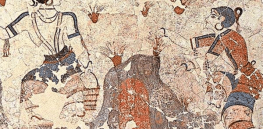
A single kilo of saffron is worth up to $10,000. Here’s the genetic history of the world’s most expensive spice
When and where was saffron first domesticated by our ancestors? In a review in Frontiers in Plant Science, researchers conclude that ...

Rice enrichment: GMO crops are coming to the Philippines. Experts are optimistic
Last year, the Philippines approved Golden Rice–a genetically modified variant of rice–to combat malnutrition and vitamin A deficiency in the ...
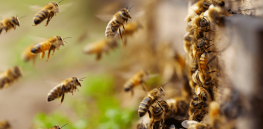
Video: Honeybee apocalypse? Yet another scientist challenges claims that bees used mostly in agriculture are under threat. Wild bees? That’s another story
German physicist Sabine Hossenfelder challenges what she calls the ‘myth’ that honeybees are facing catastrophic health challenges ...

Gene-powered tiny robots could repair the body from the inside out
The development of human beings from fertilized eggs to an adult body is often described as a “genetic program”. Is ...

Are humans evolving and transforming by hybridizing with technology?
What may seem now to be obvious human traits will become less so as we grow progressively more integrated with ...
