


Science Literacy Project Daily Digest

Why the US is ill prepared if monkeypox escalates into a pandemic
As if dealing with continued waves of Covid-19 isn’t enough, the U.S. is facing a new outbreak — monkeypox — ...
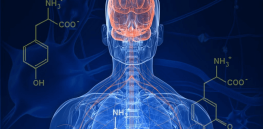
Infographic: Did you know the human body is made up of zinc, copper and cobalt? Here are the chemicals that make up who we are
The human body is a miraculous, well-oiled, and exceptionally complex machine. It requires a multitude of functioning parts to come ...

Viewpoint: Why we must ‘learn to love genetically modified crops’
For decades, human consumption of genetically modified organisms has inspired misbegotten fear in consumers because few of us understand the ...

Podcast: Agricultural scientist Jayson Lusk on the intersection of biotechnology and sustainability
Agricultural economist Jayson Lusk puts forward a vision of how science, technology and innovation are what we need for a sustainable food ...

‘Mind-boggling’ fruity craft beers produced with GMO yeast finds rapturous fans
About 250 breweries throughout the country have used Berkeley Yeast’s genetically modified strains, and some insiders herald its scientific breakthroughs ...

European Parliament: Global meat consumption has doubled in two decades, exacerbating climate change. Sustainably growing animal protein with yeast and bacteria could help
The amount of meat consumed per capita levels has nearly doubled since 1990 and meat production has more than quadrupled ...

Sonic pain relief? Could we reduce pain by manipulating the neural mechanisms that regulate sound?
An international team of scientists has identified the neural mechanisms through which sound blunts pain in mice. The findings, which ...
Viewpoint: Is anti-biotechnology New Zealand ready to embrace gene drives to control wasps, possums and other predator pests?
The once-forbidden concept of gene editing for predator control is back on the table after two projects received New Zealand ...
Orange and grapefruit growers devastated by citrus diseases have new hope: CRISPR gene editing
In the past few decades, two bacterial diseases — Huanglongbing (HLB) and citrus canker— have decimated the Florida citrus industry ...

‘Lose-lose situation’: Mexico’s ban on genetically modified corn worsening food security and increasing inflation
A new economic impact report shows Mexico’s looming ban on GM corn and agricultural biotechnology policy will harm economies on both sides ...

How biotechnology can protect indigenous ‘orphan crops’ from disease and boost economic growth
Despite their critical local importance, orphan, underutilized, and neglected crops tend to receive relatively limited attention in agricultural R&D initiatives ...

Survey: Younger consumers open to trying foods crafted by gene editing
Consumers under age 30 and consumers with incomes above $125,000 a year are less likely to avoid gene-edited foods, meaning ...

Ancient human brains reveal that our ancestors meditated to relieve stress
Scientists have discovered that humans, unlike our Neanderthal cousins, evolved the ability to meditate to deal with both past and ...

Gum disease and tooth loss have been largely overlooked as risk factors for dementia
A close link is emerging between oral health and some of the world's most pressing diseases, including cardiovascular disease, diabetes ...

Avoiding ‘hanger’: What’s the link between irritability and skipping meals?
For those who get snappy when they miss out on lunch, it may be the perfect excuse: researchers have confirmed ...
Vitamin supplements can provide real benefits, but they are often abused and the dangers are real
A new case report provides a striking example of what can happen if one takes too much vitamin D ...

Viewpoint: Millions face food insecurity. Following ‘green hysteria’ in rejecting pesticides and fertilizers will make this crisis worse
From 2023, the European Union will allocate 25 per cent of its direct agriculture payment budget to “eco-payments” for carbon ...
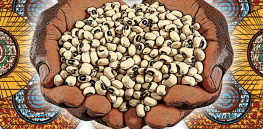
Viewpoint: Cost of misinformation — Nigeria spends over 40 million dollars a year importing cowpea. A GMO insect resistant version could save money and lives
Nigeria spends almost 40 million USD annually on the importation of cowpea. Beans farmers have been struggling with how to ...

Fighting climate change: How modifying this one plant gene could help crops absorb 30% more CO2
Plants already pull significant weight in removing carbon dioxide from the air, but a new study out of the University of Wisconsin-Madison ...

Mexico’s glyphosate and GMO corn ban overturned by federal judge
A federal judge declared the 2020 Presidential Decree to eliminate the use of the herbicide glyphosate and transgenic corn in ...

Hate mosquitoes? Afraid of heights? Here is how to tailor your summer travels to your DNA
If you seem to have more itchy red welts on your ankles than the people around you, your DNA may ...
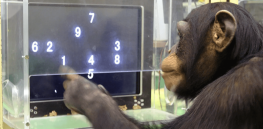
What we know about how animals think, see and feel
The history of our observations of our fellow creatures is a series of corrected mistakes and solved mysteries as we’ve ...

Almost 20 million: That’s how many lives were saved by COVID-19 vaccines, experts believe
COVID-19 vaccination “fundamentally altered” the pandemic by saving nearly 20 million lives in the first year that vaccines were available, ...
‘Genetic bottlenecks’: How war, famine and disease contributed to human evolution
Human populations have waxed and waned over the millennia, with some cultures exploding and migrating to new areas or new ...

Nigeria is ready to meet strong farmer demand for GMO cowpea seeds
Nigerian farmers should have ample access to insect-resistant genetically modified (GM) cowpea seeds for this summer’s planting season, scientists say ...

‘Oversimplification or outright falsehood?’: ‘Banned in Europe’ and 9 other anti-pesticide factoids that are short on science
Organic activist group Slow Food recently released its list of “10 Key Facts on Pesticides," a post designed to “raise awareness about ...
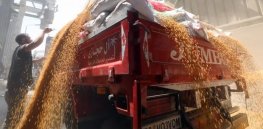
Viewpoint: What the war in Ukraine tells us about global limitations of organic farming
The nascent food crisis now reveals a hard truth: organic agriculture cannot feed the world and could even worsen future ...
