


Science Literacy Project Daily Digest

Viewpoint: ‘Microbes and plants can be altered to increase to carbon capture’ — Biophysicist lays out pathway for net-zero emissions
The same genetic engineering tools used for climate change adaptation are now being used for carbon capture ...

We finally know how modern dogs arose from ancient wolf populations
The tale of how grey wolves became the pet dog of today has received a new twist, with research suggesting ...

‘It’s a slog’: Cure or treatment for Alzheimer’s proving elusive, and we don’t know why
We see headlines that declare a “Cure Breakthrough” and “Reversing Dementia in Mice,” but still, if you get sick, there ...
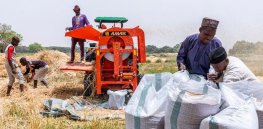
Nigeria moves to import GM wheat to lower local food prices
In a bid to drive down high food prices, Nigeria has launched the process to permit the importation of genetically ...

Viewpoint: Environmental Working Group’s ‘Dirty Dozen’ scaremongering — Consumers reject fear-based environmentalist disinformation
Consumers encounter so many mixed messages on produce, ranging from the Dirty Dozen‘s disinformation to the just-eat-your-veggies slogan. How do we ...
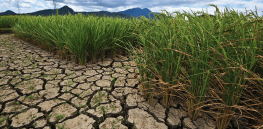
Viewpoint: ‘Optimizing nature’ — How gene editing can help grow crops in unstable climates using less water
As global policy conversations continue to shine the spotlight on sustainability, the scope of these discussions also focusses on agriculture, ...
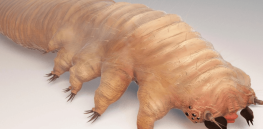
Our faces swarm with microscopic mites — and they are evolving to permanently merge with us
Most people on Earth are habitats for mites that spend the majority of their brief lives burrowed, head-first, in our ...

First CRISPR gene-edited drug expected to go on sale next year. Here’s what’s next
Soon we could see regulators approve the very first treatment using gene-editing technology in an effort to combat rare inherited ...
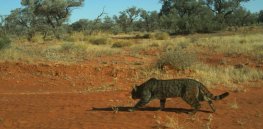
Australia mulls use of ‘controversial’ gene drives to rid country of feral cats
Synthetic biology and genetic technology could be a safer, more humane way of curbing invasive species. Feral cat populations, for ...
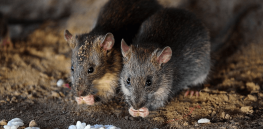
‘Reviving extinct species’: Can freeze dried skin cells rescue endangered animals?
Researchers have created cloned mice from freeze dried skin cells in a world first that aims to help conservationists revive ...

Video: Erratic weather from climate change is biggest threat facing Kenyan crops. Gene-editing technology could help, farmer says
How do farmers define sustainability on their farms? Find out how Kenyan farmer Felix Kili views the issue, and how ...

Viewpoint: ‘Depression and now anarchy’ — How rejecting agricultural technology and vanity of ‘green’, organic farming led to Sri Lanka’s collapse
The anarchic scenes in Sri Lanka are enough to make the blood of any world leader run cold. President Gotabaya ...

Viewpoint: Solved! Busting pro-organic, anti-GMO myths
Over the years, we have experienced a massive increase in the consumption of organic foods, with many people painting conventional ...

Viewpoint: Will Biden and the ‘progressive left’ muster independence to embrace agricultural gene editing and its carbon-capture potential?
Carbon capture has often been touted as an alternative to dealing with climate change that does not involve laying waste ...

Disentangling the links between diet, genes and dementia
Dementia, like most chronic diseases, is the result of a complex interplay of genes, lifestyle and environment that researchers don’t ...

Viewpoint: Our binary system of classifying what’s ‘cancerous’ fails. Here’s what might replace it
Concern over substances that may cause cancer has led to various classification schemes to recognize carcinogenic threats and provide a ...

Want to decrease long COVID risks? More vaccine doses seem to work best
Long COVID was less likely to occur in healthcare workers who had received two or three mRNA COVID-19 vaccine doses ...

Viewpoint: Organic milk requires expensive feed and labor. Not even huge subsidies can save this supposedly sustainable market from scams and inefficiency
US organic dairy export volumes have consistently fallen since 2017. Since that year, organic fluid milk exports have fallen 76%, ...

Viewpoint: Why Rwanda and the rest of sub-Saharan Africa need to embrace genetically modified crops
According to the recent publication “Plant biotechnology: A key tool to improve crop production in Rwanda” intensive and appealing discussions ...
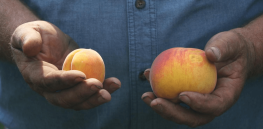
Dicamba drift: Court upholds judgement against Bayer but orders new trial to assess damages
Monsanto Co. and BASF Corp. are liable for the herbicide dicamba’s damage to a farmer’s peach orchards, the Eighth Circuit ...
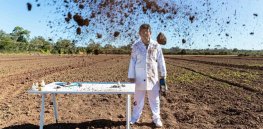
How genetically engineered crops could super-charge efforts to address climate change
You can create a stable carbon capture system by genetically engineering plants to grow more extensive roots and pump more carbon ...

‘Chemistry drives social chemistry’: Body odor plays a huge role in attraction and even friendship
People whose natural body odors are chemically similar are more likely to “click” and form fast friendships ...

Just 10 years after its invention, CRISPR gene editing is taught in high schools
A decade after CRISPR started to become a major tool in genetic research, a new generation of scientists is growing up with the ...

3 long COVID theories: Unraveling the mystery of what causes lasting coronavirus symptoms
Long covid theories ...
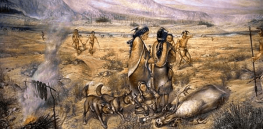
Podcast: A genetic history of the Americas before European colonialism
How the first people migrated to the Americas nearly 20,000 years ago, how genomes showcase the very close relatedness of ...

World Economic Forum: How genetically engineered crops can fight climate change
Food systems account for over one-third of global greenhouse gas emissions. Any successful strategy for reaching the ambitious — and critical ...

Facing rising pesticide and labor costs, Bangladesh poised to approve sustainable insect-resistant Bt GMO cotton
With Bangladesh likely to approve commercial cultivation of genetically modified Bt cotton varieties sourced from an Indian company soon, seed ...
