


New Scientist

Say that again? Drug treatment could help older brains distinguish sounds
Have you noticed that learning languages or musical instruments becomes harder as you get older? It may be because your ...

Virtual reality: Avatars help amputees control their prosthetics
People who have had amputations can control a virtual avatar using their imagination alone, thanks to a system that uses ...

Eye tech: Synthetic iris may revolutionize human eye repair
An artificial iris can open and close in response to sunlight without any other outside control, just like the ones ...
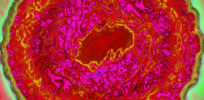
CMV birth defects may be prevented by drug typically used to treat anxiety
An anxiety drug could prevent a common virus from causing birth defects and deafness, a study in newborn mice suggests ...

Spicy foods may speed up bowel movements by triggering taste buds in the gut
Have you ever needed to hurry to the toilet during times of stress or after eating a spicy meal? This ...

Can ‘mindful’ meditation, tai chi lower genetic risks of heart attack, cancer?
Meditation and tai chi don’t just calm the mind – they seem to affect our DNA too. There’s evidence that ...

LSD to lift your mood or performance? Microdosing could become commonplace
Janet Lai Chang is one of many who have added a pinch of psychedelic drugs to their daily routine in ...

Plagued by indecision? Drug may boost confidence, help treat schizophrenia, OCD
Life is full of decisions, and sometimes it’s difficult to know if you’re making the right one. But a drug ...
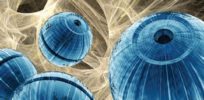
Medication time-released ‘talking’ nanoparticles could target cancer
Two nanoparticles have communicated with one another to perform a task for the first time, paving the way for more ...

Is ADHD actually a sleep disorder?
Could ADHD [be] a type of sleep disorder? After all, the brain pathways involved in paying attention have also been ...

Blue feces: Modified gut bacteria could indicate colon cancer, inflammatory bowel disease
Checking the hue of your feces could soon reveal why you are feeling off-color. Gut bacteria in mice have been ...

Careful, your brain may begin to eat itself if you don’t get enough sleep
Burning the midnight oil may well burn out your brain. The brain cells that destroy and digest worn-out cells and ...
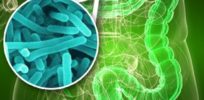
Type 2 diabetes treatment: Drug alters gut bacteria
The most successful treatment for type 2 diabetes may work by changing the makeup of gut bacteria. Metformin is commonly ...
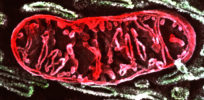
It’s getting hot in here: Your cells reach 122 Fahrenheit when making energy
Our body temperature might not ever get much hotter than 37°C [98.6°F]. But it turns out that the insides of ...

Improving ‘worst’ environments in US could prevent 39 in every 100,000 cancer deaths, study claims
That’s according to the first study to address the impact of cumulative exposure to environmental hazards on cancer incidence in ...

‘Resurrected gene’ offers glimpse into Earth’s evolutionary past
A resurrected gene, brought back from the dead in the lab, is allowing molecular biologists to travel billions of years ...

‘Hunger hormone’ may also boost growth of brain cells
Could fasting boost your brainpower? A stomach hormone that stimulates appetite seems to promote the growth of new brain cells ...

‘Wouldn’t help much’: What would a ban on neonicotinoid insecticides do for bee health?
“Everyone knows insecticides can kill bees,” says honeybee biologist Francis Ratnieks at the University of Sussex in Brighton, UK. “The ...

Creative people perceive the world and process images differently
If you’re the kind of person who relishes adventure, you may literally see the world differently. People who are open ...

Unprotected sex with a new partner might affect vaginal health, microbiome
To find out if sexual activities could shape the vaginal microbiome and, potentially, women’s health, Lenka Vodstrcil at Melbourne Sexual ...

SHERLOCK gene tool can identify Zika in blood, help prepare for epidemics
A tool based on CRISPR has been shown to detect the Zika virus in blood, urine and saliva. It was ...

Video: CRISPR-created seedless tomatoes could eliminate need for bee pollination
Don’t like the seeds in tomatoes? You might be pleased to know that seedless ones have been created by gene editing ...

‘High quality diet’ likely source of primate brain growth — not social nature, study finds
In the past two million years, humans have experienced a massive increase in brain size, one not seen in any ...

No need for ‘young blood’? Old blood can be rejuvenated using stem cells
Young blood is being trialed as a treatment for conditions like Alzheimer’s...But these studies rely on young people donating their ...

‘Live vaccines’: Recoding bacteria’s genome could lead to more effective immunizations
[G]eneticists used a new technique to recode 5 per cent of the Salmonella bacterium’s genome, introducing a record number of engineered ...
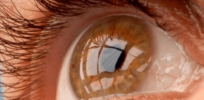
Woman’s vision improved after first successful stem cell (iPS) treatment
A woman in her 80's has become the first person to be successfully treated with induced pluripotent stem (iPS) cells ...

Gentle touch: Premature babies’ brain development may benefit from physical contact
A gentle touch can make all the difference. Premature babies – who miss out on the sensory experiences of late ...
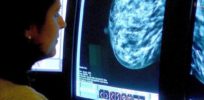
1 in 5 women with breast cancer could be helped by drugs targeting BRCA genes
Up to a fifth of women with breast cancer may benefit from drugs that are currently reserved for less common ...
