Genetics continues to garner attention as conservation tool

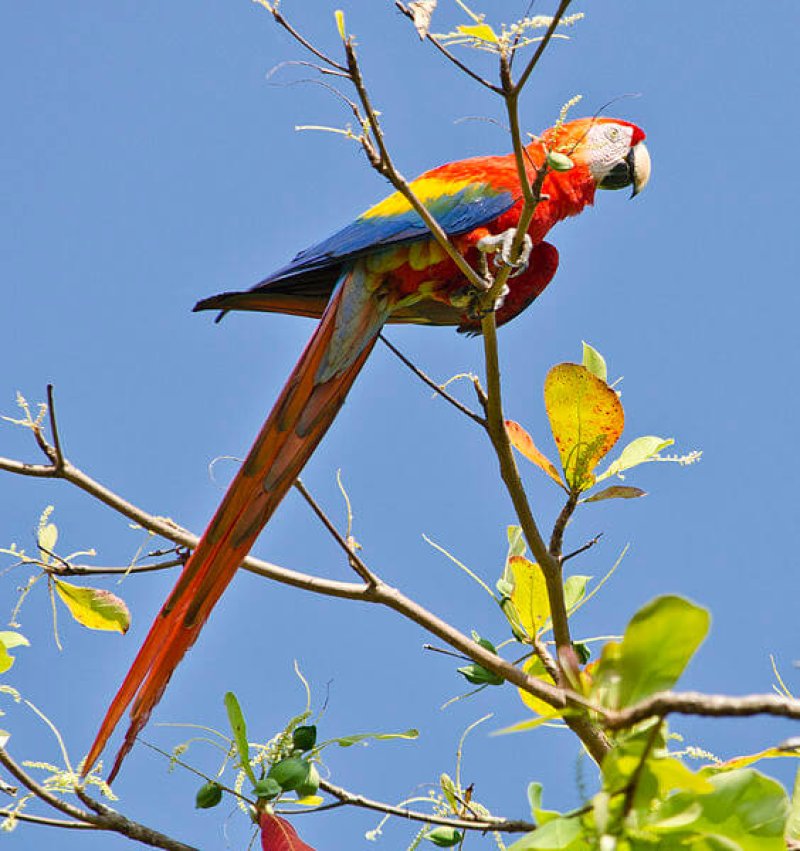
px Ara macao Puntarenas Province Costa Rica
A scarlet macaw (Credit: Wikimedia Commons).

Genetics continues to be a buzzword in conservation. In the last week alone we’ve seen headlines touting the sequencing of the scarlet macaw genome, that efforts to breed New Zealand’s utterly unique kiwi have failed to improve genetic diversity in the species, and that the Indian tiger population may be doomed by a genetic bottleneck — the lingering effect of the British Raj’s penchant for hunting these largest of big cats.

One of the biggest risks to species on the brink of extinction is the loss of genetic diversity that comes with drastically reduced population sizes. Even if it were possible to easily and effectively clone endangered species like the tiger, the animals created would all share whatever strengths and flaws the original progenitor possessed: in other words, it would be extremely difficult to create a robust wild population able to endure the slings and arrows of real-world existence through simple cloning.

That said, the study of genetics continues to offer novel insight into just what sort of variation does exist within species of conservation interest, and may help guide conservation efforts without being a cure-all.

Additional Resources:


{{ reviewsTotal }}{{ options.labels.singularReviewCountLabel }}
{{ reviewsTotal }}{{ options.labels.pluralReviewCountLabel }}
{{ options.labels.newReviewButton }}
{{ userData.canReview.message }}

Related Articles

Infographic: Global regulatory and health research agencies on whether glyphosate causes cancer

Infographic: Global regulatory and health research agencies on whether glyphosate causes cancer

Does glyphosate—the world's most heavily-used herbicide—pose serious harm to humans? Is it carcinogenic? Those issues are of both legal and ...

Most Popular

Screenshot-PM-24
Viewpoint: The herbicide glyphosate isn’t perfect. Banning it would be far worse.
79d03212-2508-45d0-b427-8e9743ff6432
Viewpoint: The Casey Means hustle—Wellness woo opportunism dressed up as medical wisdom
d-b
Blocked arteries, kidney stones, nausea, constipation, fatigue: Long list of health problems caused by too much vitamin D 
ChatGPT-Image-Mar-10-2026-01_39_01-PM
Viewpoint—“Miracle molecule” debunked: Why acemannan supplements don’t work
ChatGPT-Image-Apr-30-2026-05_00_48-PM
Wellness grifter physician turned wellness influencer out as surgeon general nominee
Screenshot-2026-04-30-at-11.33.46-AM
Anti-seed-oil to anti-vax pipeline: MAHA movement spreads to teen influencers
lab grown meat research kelly schultz lehighuniversity main
Profiles of the 10 top global cultured meat companies
ChatGPT-Image-Mar-27-2026-11_27_05-AM
The myths of “process”: What science says about the “dangers’ of synthetic products and ultra-processed foods
ChatGPT-Image-Apr-30-2026-12_21_05-PM-2
The tech billionaires behind the immortality movement

Sorry. No data so far.

glp menu logo outlined

Get news on human & agricultural genetics and biotechnology delivered to your inbox.