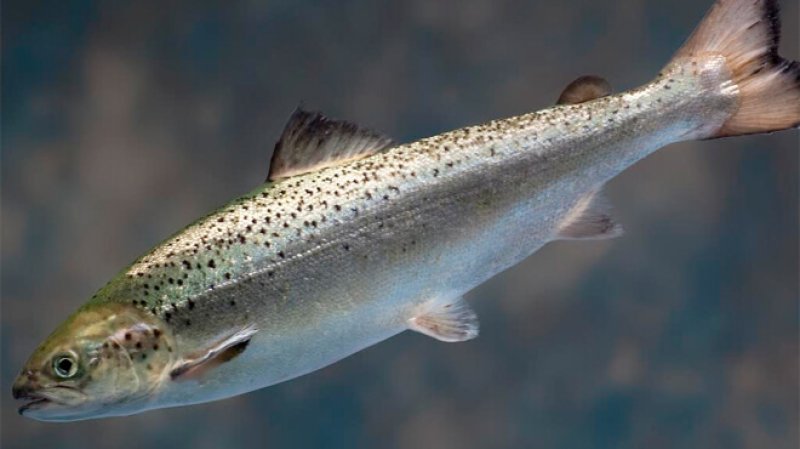
After 17 years in the regulatory pipeline, the FDA appears close to approving of the AquAdvantage GM salmon. AquAdvantage salmon is a product of the Massachusetts-based biotech firm AquaBounty Technologies. Designed to reach market size in about half the time of standard farmed salmon, the fish would be the first genetically engineered animal approved for human consumption. Producers say the salmon is safe to eat, environmentally friendly and can feed more of the population with less resources, compared to other farmed fish.
The question remains: will grocery stores sell it? Last week Kroger and Safeway joined Whole Foods, Trader Joe’s, and Target in announcing they will not sell the GM salmon even if it is approved.
Anti-biotech groups have let their opposition be known, including Dana Perls, a policy campaigner at the environmental organization Friends of the Earth who told Fox, “Before we say we’ve come up with a way to feed the growing population, what are we putting at risk in exchange?”
Jon Entine, the executive director of the Genetic Literacy Project thinks the public will come around. “Public perception is not necessarily negative, but suspicious,” he told Fox. “This is a marathon, not a sprint. Ten years from now the educated public is going to look back with a great sense of embarrassment at how fiercely groups that call themselves ‘progressive’ whipped up emotional concerns about whether GMOs are safe or sustainable. This opposition is based on ideology trumping science, at least in the short term.”
AquaBounty CEO Ron Stotish agrees: “American free enterprise has always worked well and it will continue to work well,” he told Fox. “If you have a good product, you will be successful.”

But how much can a good product overcome?
Read the full original article: GMO salmon may soon hit food stores, but will anyone buy it?
Additional Resources:
- Backdoor effort in Washington State to label, stigmatize GM salmon, Science 2.0
- Farmed salmon company links with environmental activists to push for GM salmon label, World Fishing
- Transgenic salmon hybridize with trout, produce sterile offspring, Genetic Literacy Project