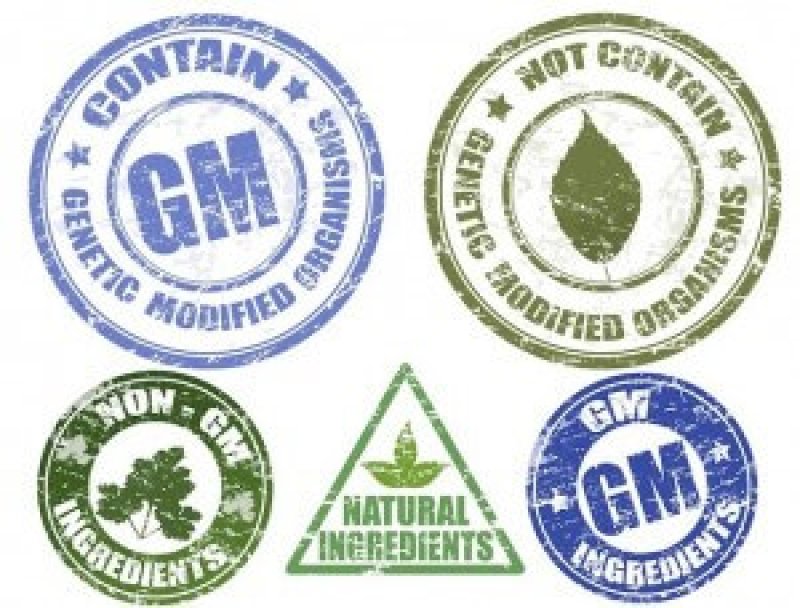
64 countries that have GMO labeling laws

GMO label shutterstock

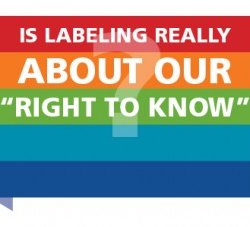
Sixty-four nations enforce consumer “right-to-know” laws on GMO food, while the United States has little regulatory framework surrounding genetically modified food products:

Australia, Austria, Belarus, Belgium, Bosnia and Herzegovina, Brazil, Bulgaria, Cameroon, China, Croatia, Cyprus, Czech Republic, Denmark, Ecuador, El Salvador, Estonia, Ethiopia, Finland, France (now de facto ban on all GMO food), Germany, Greece, Hungary, Iceland, India, Indonesia, Ireland, Italy, Japan, Jordan, Kazakhstan, Kenya, Latvia, Lithuania, Luxembourg, Malaysia, Mali, Malta, Mauritius, Netherlands, New Zealand, Norway, Peru, Poland, Portugal, Romania, Russia (has postponed GMO planting and may consider ban), Saudi Arabia, Senegal, Slovakia, South Africa, South Korea, Spain, Sri Lanka, Sweden, Switzerland, Taiwan, Thailand, Tunisia, Turkey, Ukraine, United Kingdom, and Vietnam.

That’s a lot of countries. Yep. What’s more, even while the U.S. does not require GMO food labeling, it is the largest commercial grower of genetically modified crops in the entire world.

Today’s GMO foods are generally considered safe for human consumption, but polls consistently indicate that a huge majority of Americans support mandatory labeling requirements for food products that contain genetically modified ingredients.
Ramez Naam, author of The Infinite Resource: The Power of Ideas On a Finite Planet, says, “By fighting labeling, we’re feeding energy to the opponents of GMOs. We’re inducing more fear and paranoia of the technology, rather than less. We’re persuading those who might otherwise have no opinion on GMOs that there must be something to hide, otherwise, why would we fight so hard to avoid labeling?”

Read the full, original article: 64 Countries That Have Done What the U.S. Won’t to Make Our Food Safer

Related Articles

Infographic: Global regulatory and health research agencies on whether glyphosate causes cancer

Infographic: Global regulatory and health research agencies on whether glyphosate causes cancer

Does glyphosate—the world's most heavily-used herbicide—pose serious harm to humans? Is it carcinogenic? Those issues are of both legal and ...

Most Popular

ChatGPT-Image-Mar-10-2026-01_39_01-PM
Viewpoint—“Miracle molecule” debunked: Why acemannan supplements don’t work
ChatGPT-Image-Sep-10-2026-10_36_07-AM
Viewpoint: Even lousy scientific articles can shield authors when they hype dubious health claims and products
sorghum farmers in kenya FARMERS TREND
Here are all the ways CRISPR gene editing is transforming Africa’s staple crops—and there’s a lot more innovation to come
Screenshot-2026-10-01-at-11.21.27-AM
Vaccine hesitancy, like malaria, surges globally, topping 35% in some countries
ChatGPT-Image-Sep-30-2026-01_11_07-PM
How U.S. teamed with Russia to block global human AI weapons oversight
ChatGPT-Image-Sep-21-2026-03_15_09-PM
Viewpoint: Chipotle-inspired lesson: 10,000 sick customers suggest that processed foods can be safer than fresh ones
ChatGPT-Image-Sep-30-2026-01_25_34-PM
Blood tests for Alzheimer’s? The latest grifter, social media scam.
ChatGPT-Image-Sep-29-2026-12_16_42-PM
Social media influencers are driving food misinformation across Europe
ChatGPT-Image-Sep-30-2026-01_38_36-PM
Viewpoint: Died “with measles” vs. died “from measles”: RFK, Jr.’s dangerously subversive word games
generated-1790707585414
Facts & Fallacies podcast: America's health care system is broken. A doctor explains how to fix it
Screenshot-2026-09-28-at-1.16.38-PM
Defying public perceptions, U.S. cancer deaths plunged 35% since 1991
Screenshot-2026-09-17-at-1.07.08-PM
'We are dangerously addicted to antidepressants': Should we heed RFK Jr.’s sobering warning?
glp menu logo outlined

Get news on human & agricultural genetics and biotechnology delivered to your inbox.