Every year, my mother-in-law Nancy and her friend Beth sit in a camouflaged, wooden box in the Wisconsin dawn waiting. But they’re not hunting. Nancy and Beth make the yearly trek to watch prairie chickens mate. Nancy, like most bird watchers, keeps a book documenting the species of bird she’s seen and where. The woman can spot a loon from 100 yards away.
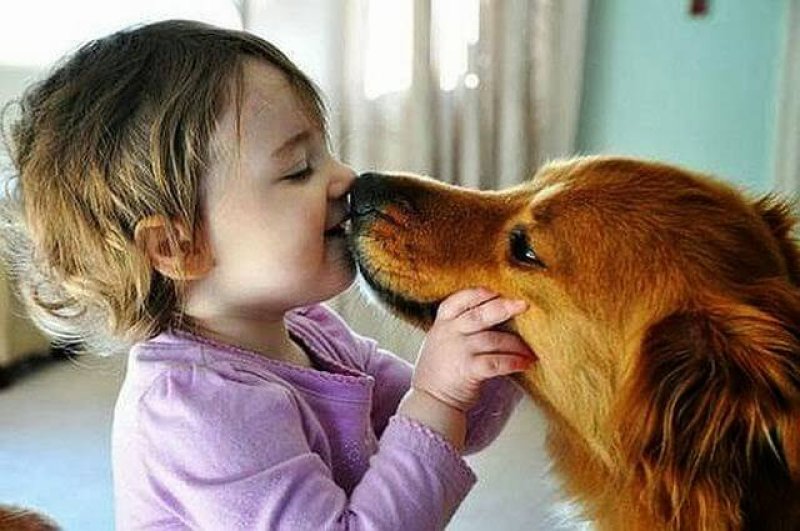
Although we might not all be as interested or patient as Nancy, humans in general enjoy watching animals. We spend millions visiting zoos. Our ancestors painted images of their animal contemporaries on the interiors of caves 34,000 years ago. And we know even in our modern life, living alongside animals is good for physical and emotional health, from lowering the chance of developing allergies to improving mood and increasing exercise.
We are hardwired to derive pleasure from our animal friends, says evolutionary biologist David Barash. But why?
‘Pleasure’ is not something that natural selection doles out without a reason – and we would expect that reason to be intimately connected with maximising fitness. When it comes to evolution, pleasure is deployed as bait as much as for immediate reward. The question then is simply this: what do people get from their animal-watching? And can evolution help explain this powerful yearning to observe other creatures?
Barash thinks we could be looking at animals as a way to reflect on ourselves. He has done studies watching people at the zoo watching monkeys. Men often point out the males while women focus on the simian females and infants. Maybe we are looking at animals as confirmatory model of how we interact within our own societies.
It’s more likely that we’re watching because for so long these animals used to determine what we eat or when we were eaten:




What is more, during most of our evolutionary (and recent) past, our well-being — survival, even – depended on relationships to other animals, many of which were predators, with us as their prey. This alone would have generated a potent selective advantage to those of our ancestors who were attuned to the presence as well as the habits of other beasts, especially large and dangerous ones such as sabre-toothed cats, cave bears, dire wolves, hyaenodons and the like – suggesting that behind Benjamin’s ‘horror’ and ‘aversion’ lurks something less highfalutin than the epistemics of ego-deflating mutual recognition: self-preservation.
We also probably watch animals because of our rich and ancient history of animal domestication. We also cultivated animal relationships to feed ourselves, clothe ourselves and keep us warm at night. Following those animal’s behavior to respond to their needs, protect ourselves and follow their health was likely very advantageous for our early ancestors Barash says:
It is clear that early humans also depended on various ‘kept’ animals as beasts of burden, sources of eggs, milk, meat, and so forth, as well as perhaps employing them as colleagues in hunting, early warning detectors sensitive to the approach of enemies, even providing warmth – not only via their skins and fur, but also their literal bodies, cuddling closely with our Pleistocene ancestors during those long, challenging Ice Age nights.
Source:
- Animal magnetism, David Barash, Aeon
Additional Resources:
- Scientists pinpoint the origins of human influence on everything from chickens to chili peppers, Adam Wernick, Public Radio International
- Animal Intelligence, Molly Michelson, California Academy of Sciences