Before my Jamaican-born grandfather, Egan “Teddy” Brooks, left Harlem for Scotland in 1935, he was on the track team at George Washington high school in New York. Somebody wrote on his yearbook photo: “Can he run!”
NOTE: GLP’s Jon Entine has written a book on the impact of genes in sports: Taboo: Why Black Athletes Dominate Sports and Why We’re Afraid to Talk About It. Here is a recent article he wrote on Jamaican runners. He’s also written about the topic on Forbes.com: The DNA Olympics — Jamaicans Win Sprinting ‘Genetic Lottery’ — and Why We Should All Care
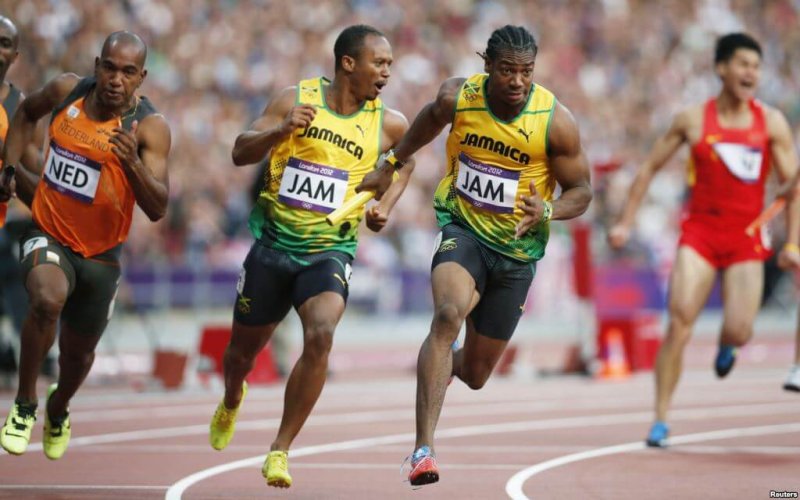
This year’s Commonwealth Games will provide a further demonstration of the Jamaican flair for sprinting. The fact that my grandfather, Usain Bolt and many other Jamaican-born athletes are so fast is, in scientific terms, an anomaly. Anomalies are often the harbingers of a profound scientific insight. So what might we learn from this one? The answer has nothing to do with reinforcing prejudices about the sporting abilities of black people. It’s about facing up to the consequences of past events.




Scientists have looked into the genetics of Jamaican sprinters’ dominance. The first gene associated with powerful sprinting is the angiotensin-converting enzyme, or ACE, gene. If you have a particular variant of this gene (known as the “D allele”) you are likely to have a larger than average heart capable of pumping highly oxygenated blood to muscles quicker than the average human. That also gives your body a better response to training. In people of west African origin, the frequency of the variant is slightly higher than in those of European and Japanese origin. In Jamaica, it’s a little higher than in west Africa.
Read the full, original story: Why are Jamaicans so good at sprinting?