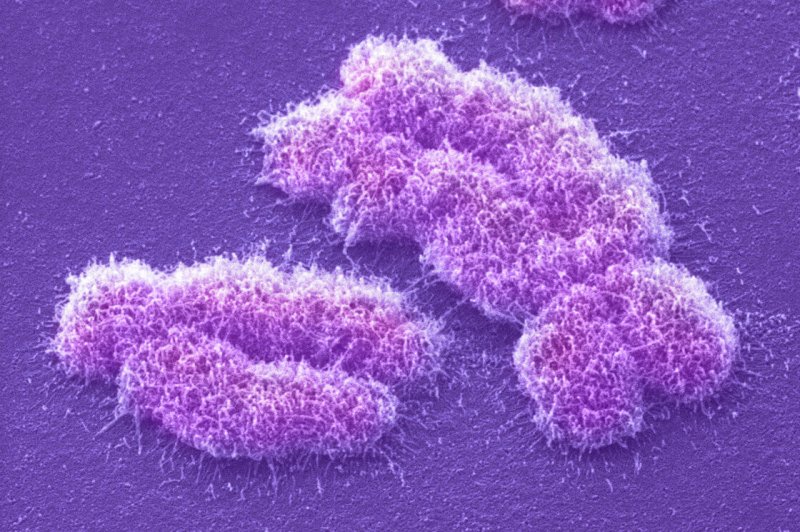
It’s really a rather pathetic-looking thing. The chromosome that makes me (and possibly you) male is a diminutive, asymmetrical thing next to the much larger, seemingly more complete X chromosome. I’m talking, of course, about the Y chromosome, part of the pair of chromosomes that determine our biological sex.
Last year, there were rumblings regarding the uncertain fate of the Y chromosome. To borrow a breathless Daily Mail headline: “The end of men? Expert predicts males will be extinct in five million years… and the process has already started!”
Now NPR’s Rob Stein is back to tell us (men, that is) that we’re in no danger. Maybe.
Very early in the evolution of the Y chromosome, explains Dr. David Page, a geneticist at the Massachusetts Institute of Technology, something pretty dramatic happened: The ancestral Y lost most of its genes. And scientists basically ignored the little that was left.
“The Y chromosome was essentially written off as the runt of the human genome,” Page says, “as a sort of genetic wasteland that didn’t really merit anyone’s serious attention.”
Part of the reason for this is that the Y chromosome, unlike every other chromosome in humans — including the X — is not paired. It has no partner, no fail-safe with which it recombines to weed out harmful mutations. The Y chromosome has been in a battle of attritition against the vagaries of mutation and it seems to have been losing. Which is where the “end of all men” shtick comes into play.
When the Y did get any attention, it wasn’t good news. Some scientists, like geneticist Jennifer Graves at La Trobe University in Melbourne, Australia, speculated that the Y might be destined to just keep sort of … rotting away.
“As soon as it becomes a male-determining chromosome, then the rot sets in,” Graves says. “That’s kind of the kiss of death for that chromosome,” meaning the Y chromosome could be headed toward oblivion — completely disappear.
Now, as Razib Khan pointed out last year in his blog post on this topic, this sort of radical extrapolation is more than a bit foolish. It also assumes a linear path for the Y chromosome, something Khan showed is not so by pointing to some research that catalogs just how varied the recent evolution of the Y chromosome is in several different groups of mammals.
In his piece, Stein gives the floor back to Page to ‘defend the honor’ of the Y chromosome:




Page has done a detailed analysis of the chromosome’s evolution and says the string of genes has been solidly stable now for millions of years.
“The idea that the Y chromosome might disappear altogether, possibly taking men with it — I think that idea has now been firmly dismissed,” he says.
Furthermore, the Y chromosome could be far more important than anyone expected, serving as a ‘master regulators’ throughout the body, Page says. But, as Stein sharply notes, there’s a catch:
Even if the Y chromosome is here to stay, that may be something of a double-edged sword for men. Even if those master genes on the Y chromosome are important, they may also help explain why men are more prone to certain diseases than women are — and tend to live shorter lives.
The rumors of the death of the Y chromosome appear to have been greatly exaggerated; it seems rather we are witness to the birth of a new appreciation of the complexity of this lumpy little bit of genetic material that carries so much freight in our culture.
Kenrick Vezina is Gene-ius Editor for the Genetic Literacy Project and a freelance science writer, educator, and naturalist in the Greater Boston Area.
Additional Resources: