Both small and large farms are needed for ‘optimal’ sustainable farming system

Small farms are inefficient but are more likely to grow healthful foods and might be more environmentally friendly, while large farms are sometimes environmentally unfriendly but raise large amounts of food efficiently and affordably.

The idea that we should replace the large, polluting farms with the small, diversified farms ignores what might be the best solution: Get the large farms to stop polluting.There are some hopeful signs that it’s already happening. Cover cropping and no-till farming, which help improve soil health and reduce runoff, are on the rise. Recent droughts have underscored the importance of building up organic matter, which retains water, in soil.

Small and large both have benefits. Saying we need both isn’t some kind of namby-pamby, can’t-we-all-get-along compromise. It’s the optimal system, with each kind filling a different demand.

What if advocates on each side focused on getting their own house in order? If you’re in the small camp, work on efficiency. Perhaps you can reconsider organic’s natural/synthetic line in the sand, which increases costs without benefiting either customer or environment.
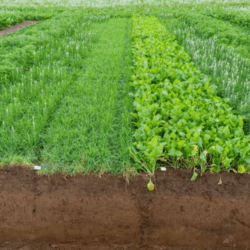
Down the line, think about incorporating genetically modified crop varieties that are disease- or drought-resistant. Find ways to cut back on waste. And those in the large, why not make some of the basic organic-style practices, like cover cropping and no-till, standard? Consider a target level of organic matter in the soil, to cut back on water use. How about strengthening the conservation practices required for farms to receive federal dollars, even linking them to results like runoff reductions or increased organic matter?

Read the full, original article: Small vs. large: Which size farm is better for the planet?

Related Articles

Infographic: Global regulatory and health research agencies on whether glyphosate causes cancer

Infographic: Global regulatory and health research agencies on whether glyphosate causes cancer

Does glyphosate—the world's most heavily-used herbicide—pose serious harm to humans? Is it carcinogenic? Those issues are of both legal and ...

Most Popular

ChatGPT-Image-Mar-10-2026-01_39_01-PM
Viewpoint—“Miracle molecule” debunked: Why acemannan supplements don’t work
Diet Soda with Measuring Tape 2
Science challenges anti-soda activists: No, sodas won’t make you fat
Strawberry Clamshell with Warning Sticker
Viewpoint: Activists hype ‘dangerous level’ of pesticide residues in Driscoll berries: Separating health concerns from fear-mongering
Screenshot 2026-10-16 at 5.38
PFAS in Agriculture: Science, Uncertainty, and Risk Communication
Government Briefing on Autism Trends
Viewpoint: ‘Statistical murder’: Kennedy’s expanding record of “duplicity and mendacity”
Rustic Skillet of Raw Brains
‘Weird food’? Testicle- and brain-eating, supplement-gulping MAHA health food enthusiasts defend their ‘natural’ diets
Serene Mature Woman in Abstract Waves
Testosterone’s growing appeal to women: It anecdotally mildly improves sex life, but are there any other potential benefits—or red flags?
Prescription Capsules Scattered on Twenty-Dollar Bills
Facts & Fallacies podcast: America's health care system is broken. A doctor explains how to fix it, Part 2
png_cheese_Raw_milk
100% raw milk, 100% misguided: As MAHA-fueled demand for unpasteurized milk soars, American Academy of Pediatrics renews call for a ban on its sale and distribution
psychedelics ptsd neurosciencnews public
Chaos or at peace with the world: The complex ways psychedelics transform the brain
Nutrition and Supplements Infinity Collage
Drugs and supplements can extend life and five other longevity myths
glp menu logo outlined

Get news on human & agricultural genetics and biotechnology delivered to your inbox.