East African plant project targets tackle climate change, pests and diseases.

Screen Shot at AM
StrongLK / Wikicommons

East African crop scientists have embarked on a five-year project to conserve indigenous plant genetic resources to improve food security across East Africa. Association for Strengthening Agricultural Research in Eastern and Central Africa (Asareca) executive director Dr Fina Opio said the $8.5 million project funded by the Swedish International Development Corporation Agency, will see scientists across East Africa, including Somalia, Madagascar, and South Sudan collect, store and share information on the available plant genetic resources.

“The project will also enhance the utilisation of the conserved materials by completing the characterisation, evaluation and documentation of the accessed materials,” Dr Opio said.

According to the managing director of Ethiopia-based Climate and Natural Resources Management Consulting, Dr Abebe Demissie Tefera, East Africa has various crops with wild relatives (wild plants closely related to the domestic plant) that exhibit a large gene pool, which could help tackle climate change, pests and diseases.

For example, Uganda, Ethiopia, Kenya, Eritrea and Sudan have a wide collection of genetic resources, including cereals, legumes, oils crops, millets and forage species as well as those with high pharmaceutical values such as Prunus Africana, Warbugia ugandensis, and Fagara macrophilla.

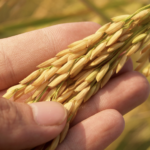
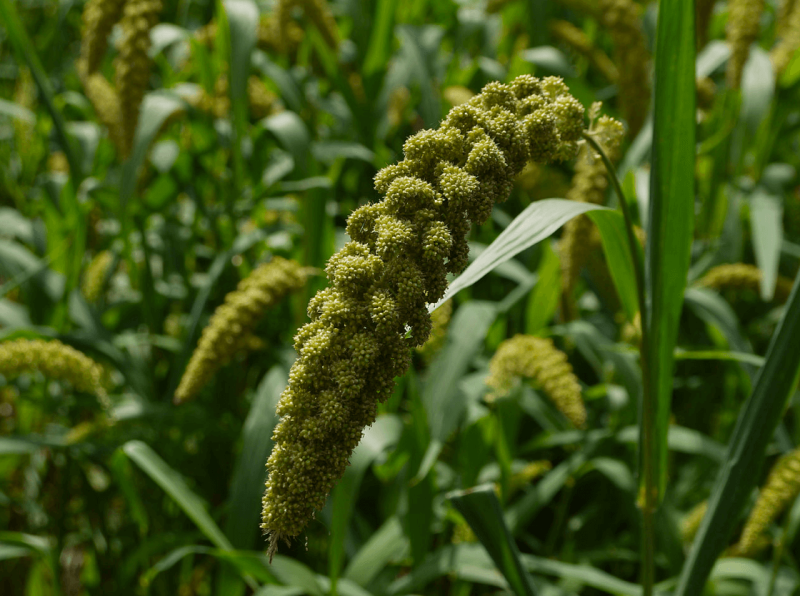
Dr Abebe said sorghum and millet are unusually drought tolerant crops, whose potential can be harnessed to increase production in African countries in response to climate change.

“The wild relatives of these crops probably hold the key to food security and increased agricultural productivity in the region as sources of genes for adaptive traits in the wake of climate change,” Dr Abebe said.

Read full, original article: $8.5m gene project for food security

{{ reviewsTotal }}{{ options.labels.singularReviewCountLabel }}
{{ reviewsTotal }}{{ options.labels.pluralReviewCountLabel }}
{{ options.labels.newReviewButton }}
{{ userData.canReview.message }}

Related Articles

Infographic: Global regulatory and health research agencies on whether glyphosate causes cancer

Infographic: Global regulatory and health research agencies on whether glyphosate causes cancer

Does glyphosate—the world's most heavily-used herbicide—pose serious harm to humans? Is it carcinogenic? Those issues are of both legal and ...

Most Popular

ChatGPT-Image-Jun-23-2026-03_12_23-PM
Is cellular reprogramming junk science? Nearly 20 patients are getting eye injections in the first FDA-cleared cellular trial
ChatGPT-Image-Jun-25-2026-12_23_17-PM
No, Bill Gates did not secretly engineer ticks to promote veganism
ChatGPT-Image-Jun-24-2026-11_36_47-AM
Why the human genome is less a script than a puzzle
Screenshot-2026-06-15-at-1.55.27-PM
America's trust in Trump-Kennedy's CDC health recommendations is plunging
ChatGPT-Image-Jun-17-2026-10_52_43-AM
Anguished parents, doctors in tears: Utah’s long measles outbreak takes a toll
Screenshot 2026-06-25 at 10.55
Leading OB-GYN group challenges RFK, Jr. gutting of maternal vaccine schedule
ChatGPT-Image-Mar-10-2026-01_39_01-PM
Viewpoint—“Miracle molecule” debunked: Why acemannan supplements don’t work
Screenshot-2026-06-22-at-9.04.46-PM
Kennedy's nutrition prescription for medical schools: Real problem, bad cure
Screenshot-2026-06-24-at-2.57.41-PM
Viewpoint: Trump’s Reflecting Pool algae fiasco points to a bigger culprit: Climate change
Screenshot-2026-06-25-at-1.48.40-PM
Glyphosate affirmed as safe: Supreme Court rejects lawsuit claiming Roundup herbicide causes cancer, upholding EPA determination
Screenshot-2026-06-24-at-2.40.46-PM
Hegseth reversal: As Air Force flu outbreak continues to surge, military reinstitutes mandatory vaccines for recruits

Sorry. No data so far.

glp menu logo outlined

Get news on human & agricultural genetics and biotechnology delivered to your inbox.