Mining genetic wealth of agricultural gene banks

Agricultural gene banks hope soon to cease serving primarily as warehouses for plant seeds and start capitalizing on the often hidden value of some 7 million seed deposits held in more than 1700 repositories around the world.

A nascent initiative, dubbed DivSeek, aims to systematically characterize the genetic, physical, and biochemical makeup of banked seeds in hopes of exploiting traits—such as drought tolerance and pest resistance—that could help produce better crop varieties. The 69-member DivSeek consortium, which includes the world’s leading agricultural research centers, publicly unveiled the effort in San Diego, California, in advance of the annual International Plant & Animal Genome conference.

“DivSeek is an idea whose time has come,” says Peter Wenzl, who will serve as the DivSeek liaison from the Global Crop Diversity Trust in Bonn, Germany. It can take up to a decade to transform raw germplasm into new crop varieties, he notes, and developing better ways to characterize banked seeds and share information about them could help accelerate the process.
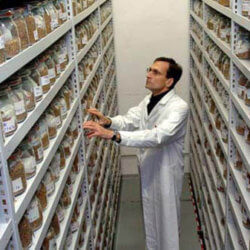
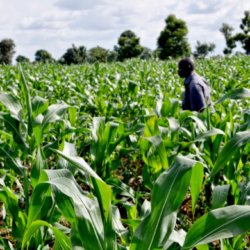
Gene banks have long been viewed as important players in helping address food security. But developing a global framework for studying and sharing this genetic wealth has been a long-standing challenge, marked by perennial funding problems and, prior to the adoption of an international agreement, sometimes fierce debates over who owns and should benefit from banked seeds. Perhaps the biggest hurdle has been galvanizing the will and technical ability to coordinate and fund data sharing, says Hannes Dempewolf, a scientist at the Global Crop Diversity Trust.

Read full, original article: ‘DivSeek’ aims to mine the genetic treasure in seed bank vaults

Related Articles

Infographic: Global regulatory and health research agencies on whether glyphosate causes cancer

Infographic: Global regulatory and health research agencies on whether glyphosate causes cancer

Does glyphosate—the world's most heavily-used herbicide—pose serious harm to humans? Is it carcinogenic? Those issues are of both legal and ...

Most Popular

Screenshot-2026-11-05-at-1.20.54-PM
$7.35 billion PFAS settlement: 3M to pay people who blame health problems on ‘forever chemicals’ phased out of firefighting foam for more than 20 years
Wave Crest Over Red Cross
Viewpoint: Here are the election-inspired Trump administration healthcare policy reversals expected in the coming months
ChatGPT-Image-Mar-10-2026-01_39_01-PM
Viewpoint—“Miracle molecule” debunked: Why acemannan supplements don’t work
Democratic Donkey Plowing at Sunset
Viewpoint: Democratic tsunami: As the red tide recedes, here are the most likely shifts in food and agricultural policy
Aerial Sprayer Over Gradient Fields
Farming, food, and chemicals: Post-midterms, the MAHA alliance between Democrats and MAGA Republicans is bruised but not cowed. What comes next?
p22_spraying_2
How climate change is driving increased pesticide usage
Crumbling MAHA Stage Portrait
Cataloging the RFK Jr.-MAHA crushing midterm collapse
Blue Checklist in Centered Hand
Viewpoint: From Medicaid cuts to MAHA-backed anti-vaccine and chemical hysteria, voters reject Republicans’ science-skeptical agenda
Screenshot-2026-11-05-at-2.47.29-PM
Collagen supplements are not a wrinkle-reducing silver bullet, but they sure cost a lot
Microscopic IVF Egg Injection
With technical barriers to human embryo editing falling, ethical concerns escalate
Picture1
Viewpoint: How badly is the U.S. food-safety net fraying? FDA’s bungled handling of the tainted lettuce crisis deepens concerns over cuts to disease tracking and response
Screenshot-2026-10-21-at-11.30.51-AM
Viewpoint: Yes, our food system stinks, but the attack of ultra-processed foods is often misplaced
glp menu logo outlined

Get news on human & agricultural genetics and biotechnology delivered to your inbox.