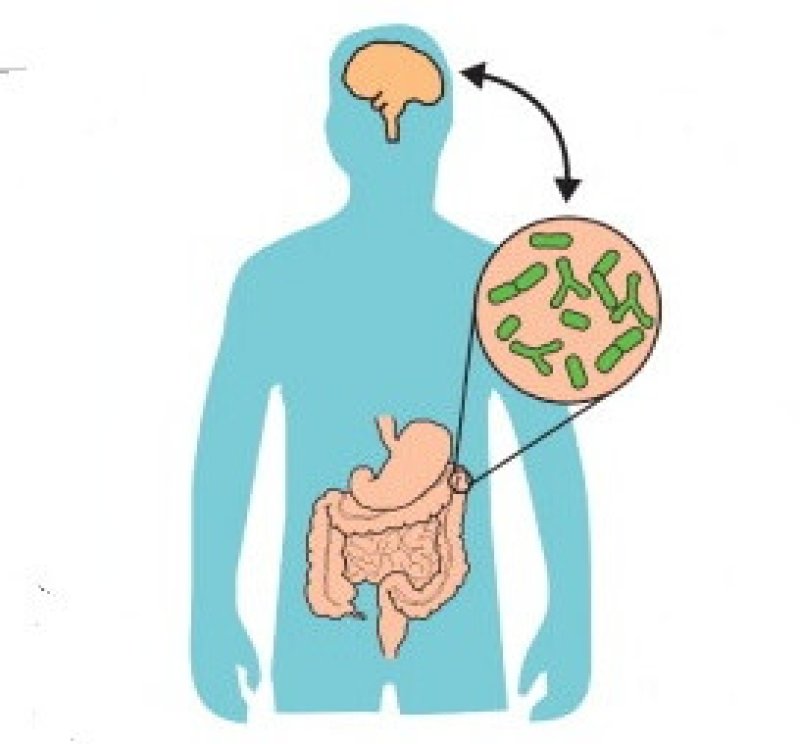

Bacteria in the gut produce vitamins and break down our food; their presence or absence has been linked to obesity, inflammatory bowel disease and the toxic side effects of prescription drugs. Biologists now believe that much of what makes us human depends on microbial activity.
‘‘It has enormous implications for the sense of self,’’ Tom Insel, the director of the National Institute of Mental Health, told me. ‘‘We are, at least from the standpoint of DNA, more microbial than human. That’s a phenomenal insight and one that we have to take seriously when we think about human development.’’
When I visited the lab of Mark Lyte at Texas Tech University Health Sciences Center, he was nearly six months into an experiment that he hoped would better establish how certain gut microbes influenced the brain, functioning, in effect, as psychiatric drugs. He was currently compiling a list of the psychoactive compounds found in the feces of infant monkeys. Once that was established, he planned to transfer the microbes found in one newborn monkey’s feces into another’s intestine, so that the recipient would end up with a completely new set of microbes — and, if all went as predicted, change their neurodevelopment. The experiment reflected an intriguing hypothesis. Anxiety, depression and several pediatric disorders, including autism and hyperactivity, have been linked with gastrointestinal abnormalities. Microbial transplants were not invasive brain surgery, and that was the point: Changing a patient’s bacteria might be difficult but it still seemed more straightforward than altering his genes.



The GLP aggregated and excerpted this blog/article to reflect the diversity of news, opinion and analysis. Read full, original post: Can the Bacteria in Your Gut Explain Your Mood?