Interest by scientists in epigenetics and curiosity by the media that reports on new breakthroughs, has skyrocketed in the last few years. The science is a simple but profound: Our genetic code is not fixed as once believed but influenced by our interactions with the world. So not only does your DNA and RNA correspond to your lineage, but they also influenced by exposures to the environment: pathogens, sun, smoke, famine, lack of sleep, etc., which are implicated in having the ability to influence the switching ‘on’ or ‘off’ expression of certain genes, and therefore potentially influence various states of health or disease.
This epigenetic switchboard is regulated by methylation of DNA, and various stressors (even ‘good’ stress, termed ‘eustress’) influence these methylation patterns hypothesized to underlie epigenetics. There’s a vast wealth of information on the current body of knowledge of epigenetics, so I won’t cover that again in this article, but will describe new research that for the first time shows that our genetic code goes through an erasing and renormalization process prior to the development of offspring.
Aristotle and the ‘tabula rasa’
The ancient philosopher Aristotle was fond of considering the mind a tabula rasa (blank slate). What he meant was that when infants are born, their minds (or slate) are essentially blank, and that they accumulate experiences and knowledge in life that shape their eventual result as adults. The concept remain highly contentious, with those inclined to believe in the malleability of human nature embracing the power of “nurture” to write on that blank slate while harder science, led by geneticists, believe we are more a product of “nature”. In 2002, psychologist Steven Pinker’s famously wrote The Blank Slate: The Modern Denial of Human Nature, which argued that human behavior is largely shaped by evolutionary adaptions–a firm rejection of, or at least a sharply circumscribed take on, what he considered the dogma of the blank slate hypothesis.
Then came the epigenetics revolution to turn things upside down.
Humans (and all animals) are the product of their genes mediated by the exposure to the experiences of the world. So two different people (different genetics) exposed to the same environments and situations will still end up very different, owing to an infinite number of environmental interactions and genetic differences. This is the basic premise of epigenetics–that the expression of genes can be heavily influenced by environmental factors.
The science of epigenetics has been elegantly explored by looking at identical twins to document that (because they have identical genes) certain life and environmental exposures can cause an effect in one twin that the other twin may never experience because of different cumulative life exposures. Even cloned animals, whose DNA is identical can look and behave dramatically different after being exposed to different environments. A combination of cell structure, enzyme activity and outside influences like stress all play a key role in how genes are expressed.

But, clearly, adaptation to environments and natural selection is what allows certain species of animals to survive and even thrive when others have not been able to. This has to do with how well an animal’s genetics matches with the specific environment that the organism finds itself within–it’s genetic fitness–as well as its ability adapt under changing environmental circumstances over time.
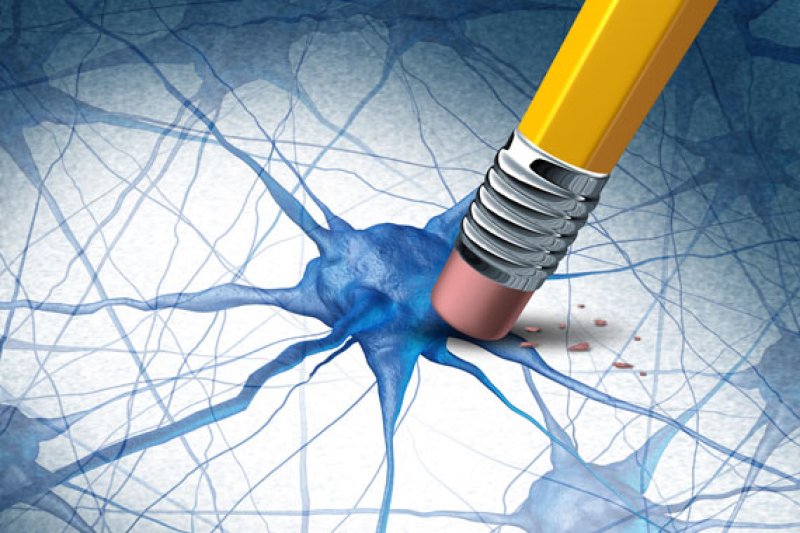
The newly-discovered effect found by researchers — and what’s interesting here — is that many epigenetic changes that occur in humans in genetic response to the environment are erased within the embryo at between about weeks two and nine in the gestation process. In this two-month period of time, there is enzymatic inhibition that occurs preventing methylation patterns from being repeated — and, therefore, passed onto offspring. If we think about this critically, it’s an interesting insurance policy: some (or even many) life adaptations to the environment are made favorably, but the underlying fidelity of the genetic code (the DNA) is preserved. It ensures the highest proportion of conservation of original DNA intent, and allows the next generation to conduct a new set of epigenetic modifications to the future environmental stressors experienced; therefore, it makes for a more robust and time-specific response to relevant challenges.
The caveat here is that the researchers found, by also using data of the modification of genetic coding regions, that a significant portion of the DNA exposed to this ‘enzymatic eraser’ process does not get reset (about one in 20 genes); and correlating these coding regions with known and hypothesized disease mechanisms suggests that some persistent disorders may be associated with this lack of reprogramming. This may be due to the fact that these genes are active in developing brain cells, which would be critical for a gestating embryo, but they are also the same genes implicated in schizophrenia and other diseases.
This suggests that certain diseases, as well as wellness, aren’t inevitable, but are the result of inherited genes as well as what those genes modified by the environment. This is leading to research in the field of epigenomics, which helps researchers precisely target certain genes or gene regions that lead to disease in order to develop more effective treatments.
Ben Locwin, Ph.D., MBA, M.S. is a contributor to the Genetic Literacy Project and is an author of a wide variety of scientific articles for books and magazines. He is also a neuroscience researcher and consultant for a many industries including food and nutrition, pharmaceutical, psychological, and academic. Follow him at @BenLocwin.