European experts say glyphosate cancer warning not grounded in science

It is described as the world’s safest pesticide, used so pervasively that it shows up in human breast milk and urine. For years, regulators believed glyphosate, the active ingredient in Roundup and other weed killers, poses little or no risk to human health despite small traces being found in bread and other foods.

However, after world-leading experts at the International Agency for Research on Cancer (IARC) concluded that it is “probably” carcinogenic, an almighty row has erupted involving multinational corporations, scientists, bakers, brewers and farmers – leaving consumers struggling to work out if they are in danger.

The UK Soil Association – champions of organic agriculture – has called for its use on wheat just before harvesting to be outlawed in accordance with the “precautionary principle” – better safe than sorry. However, few of the experts contacted by The Independent said they were planning to give up their daily bread for fear they might get cancer and European regulators have reacted with scepticism to the IARC’s findings.

The German Federal Institute for Risk Assessment, which leads on the chemical within the EU, said over 30 studies had concluded there was “no validated or significant relationship” between glyphosate and cancer among humans.

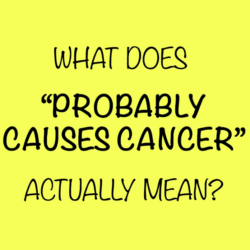
But Dr Kurt Straif, head of the IARC’s monographs section stressed the expert group had found “strong evidence” that glyphosate is ‘genotoxic’, meaning it damages DNA, a precursor of cancer.

“I think with the genotoxicity, it is probably not a good idea… to have glyphosate residues in food or using glyphosate for food production, but this is my personal opinion, nothing that is a conclusion of the [IARC] monograph.”

The GLP aggregated and excerpted this blog/article to reflect the diversity of news, opinion and analysis. Read full, original post: Glyphosate: Scientists urge caution over experts’ claims pesticide is ‘probably’ carcinogenic


{{ reviewsTotal }}{{ options.labels.singularReviewCountLabel }}
{{ reviewsTotal }}{{ options.labels.pluralReviewCountLabel }}
{{ options.labels.noReviewsLabel }}
{{ options.labels.newReviewButton }}
{{ userData.canReview.message }}

Related Articles

Infographic: Global regulatory and health research agencies on whether glyphosate causes cancer

Infographic: Global regulatory and health research agencies on whether glyphosate causes cancer

Does glyphosate—the world's most heavily-used herbicide—pose serious harm to humans? Is it carcinogenic? Those issues are of both legal and ...

Most Popular

Screenshot 2026-07-16 at 8.49
Pete Hegseth’s bizarre Viagra commercial as Trump administration endorses ‘hormone replacement therapy’
ChatGPT-Image-Jul-1-2026-03_33_49-PM
‘Alternative’ cancer treatments that could kill you
ChatGPT-Image-Mar-10-2026-01_39_01-PM
Viewpoint—“Miracle molecule” debunked: Why acemannan supplements don’t work
ChatGPT-Image-Jul-8-2026-12_32_48-PM
Viewpoint: SCOTUS strikes a blow against junk science in Bayer glyphosate case. Will it deter mass tort litigators?
ChatGPT-Image-Jul-9-2026-02_39_22-PM
Viewpoint: Polyphenols or NAD+ supplements to combat aging: No, Gwenyth Paltrow and followers, don’t waste your money.
Screenshot-2026-07-16-at-8.33.45-AM
US court revives 550 lawsuits claiming Tylenol causes autism and ADHD. What does this ruling mean for science and the law?
png-social-media-Fb-wa-insta-CC
Farmers and agri-food companies are abandoning social media even as disinformation grows
aca45222-ae49-44a7-aee5-ef4b3dfcc505
Science under siege: As federal funding dries up, top research universities are turning out fewer PhDs
afb-a-b
As the EU loosens restrictions on agricultural gene editing, it remains years behind the rest of the world on equally-safe GMO foods
ChatGPT-Image-Jun-25-2026-12_23_17-PM
No, Bill Gates did not secretly engineer ticks to promote veganism
ChatGPT-Image-Jul-7-2026-01_57_55-PM
Viewpoint: Europe’s rejection of air conditioning is the poster child for misunderstanding how to mitigate the impact of climate change
Viewpoint: Consensus as truth? How ‘misinformation police’ control policy narratives
Which among war, weather and cyber attacks is the biggest world threat? None of the above. It’s misinformation, and here’s why.
Screenshot-2026-07-08-at-9.36.03-AM
Viewpoint: Long-contained diseases are on the rise in the U.S. Are Trump cuts to blame?
c9f0a584-46e9-4dd8-9a77-f5f5a7a51a84
Across Eastern Europe, science disinformation has spread far beyond COVID and vaccine denialism. Here’s the grim list.
glp menu logo outlined

Get news on human & agricultural genetics and biotechnology delivered to your inbox.