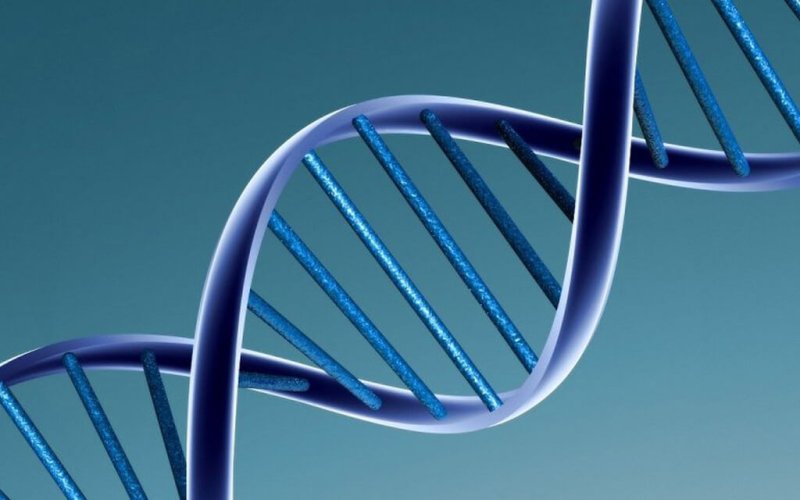
Crispr-Cas9 makes it easy, cheap, and fast to move genes around—any genes, in any living thing, from bacteria to people.
Using the three-year-old technique, researchers have already reversed mutations that cause blindness, stopped cancer cells from multiplying, and made cells impervious to the virus that causes AIDS. Agronomists have rendered wheat invulnerable to killer fungi like powdery mildew, hinting at engineered staple crops that can feed a population of 9 billion on an ever-warmer planet. Bioengineers have used Crispr to alter the DNA of yeast so that it consumes plant matter and excretes ethanol, promising an end to reliance on petrochemicals.
The technique is revolutionary, and like all revolutions, it’s perilous. Crispr goes well beyond anything the Asilomar conference discussed. It could at last allow genetics researchers to conjure everything anyone has ever worried they would—designer babies, invasive mutants, species-specific bioweapons, and a dozen other apocalyptic sci-fi tropes. It brings with it all-new rules for the practice of research in the life sciences. But no one knows what the rules are—or who will be the first to break them.

In an odd reversal, it’s the scientists who are showing more fear than the civilians. When I ask Harvard geneticist George for his most nightmarish Crispr scenario, he mutters something about weapons and then stops short. He says he hopes to take the specifics of the idea, whatever it is, to his grave. But thousands of other scientists are working on Crispr. Not all of them will be as cautious. “You can’t stop science from progressing,” Martin Jinek says. “Science is what it is.” He’s right. Science gives people power. And power is unpredictable.
The GLP aggregated and excerpted this blog/article to reflect the diversity of news, opinion and analysis. Read full, original post: The Genesis Engine