Anti-GMO critics could use lesson in critical thinking

critical thinking

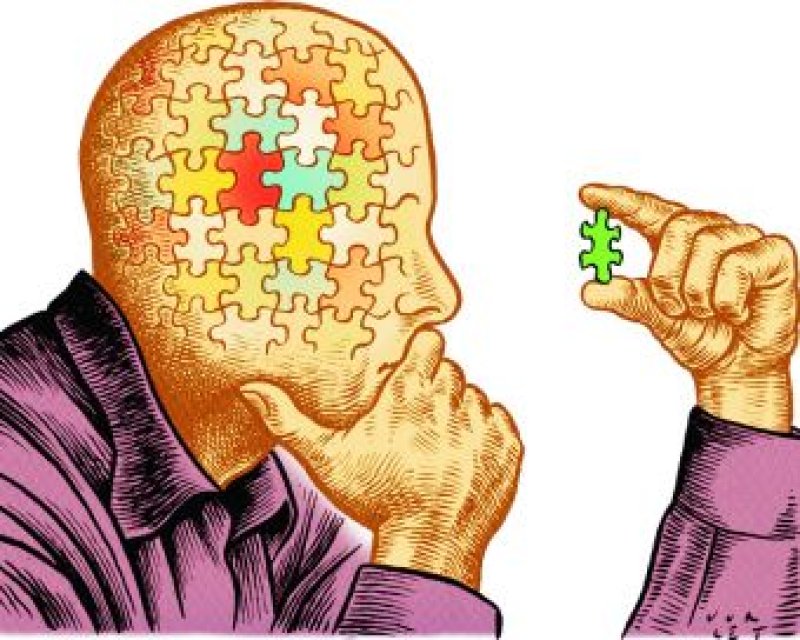
The debate over GMOs is a case study in critical thinking. By exploring the errors in fact and thinking circulated by anti-GMO activists, you can learn a lot about how to think critically. William Saletan, author of a recent Slate article, “Unhealthy Fixation” on the misleading attack on GMOs, offers 13 examples of shaky and contradictory analysis. Here are a few of them:

1. Beware of generalizations: Anti-GMO critics quote a statement from the World Health Organization: “Different GMO include different genes inserted in different ways…their safety should be assessed on a case-by-case basis and that it is not possible to make general statements on the safety of all GM foods.” That’s the problem with GMO labeling: It’s unwarranted segregation.

2. Beware of political agendas: Critics dismiss Golden Rice, which is engineered to relieve vitamin A deficiency, as “a weapon to attack the biotech industry’s critics.” But rice is food. Vitamin A is a nutrient. If you campaign against a nutritional project because you see it as a weapon for the other side, you are the one playing politics.

3. Think about the big picture: Why would you demand a label that puts GM rice, GM papayas, and safer potatoes in a category with products engineered for herbicide tolerance? Genetic engineering is a technique, not a type of food, and banning it would shut down all the good things it can do.

Top Comment: “For anyone who thinks GMOs are harmless…look what they did to Neil Young’s music.”

The GLP aggregated and excerpted this blog/article to reflect the diversity of news, opinion and analysis. Read full, original post: Food for Thought

Related Articles

Infographic: Global regulatory and health research agencies on whether glyphosate causes cancer

Infographic: Global regulatory and health research agencies on whether glyphosate causes cancer

Does glyphosate—the world's most heavily-used herbicide—pose serious harm to humans? Is it carcinogenic? Those issues are of both legal and ...

Most Popular

ChatGPT-Image-Mar-10-2026-01_39_01-PM
Viewpoint—“Miracle molecule” debunked: Why acemannan supplements don’t work
Screenshot-2026-10-06-at-11.13.59-AM
RFK Jr.’s plan to curb America’s appetite for ultra-processed foods and artificial dyes blocked by the White House
Screenshot-2026-09-22-at-12.26.15-PM
‘Forever chemical’ concerns: Separating hysteria from reasonable concern in the debate over PFAS danger
Screenshot 2026-10-08 at 1.34
Hooked on kratom: The unregulated, natural, alcohol-free “social tonic” that is destroying lives 
Screenshot-2026-10-06-at-2.36.47-PM
Is organic farming really more sustainable? 100 recent studies say ‘no’
Resolute-Portrait-with-Injured-Teddy-Bear
Anti-vax Texas Senate candidate Ken Paxton alleges conspiracy by doctors, drugmakers, and insurers to push childhood vaccination for profit
Screenshot-2026-09-28-at-11.26.17-AM
Viewpoint: Wellness movement activists reposition nicotine from a killer addictive drug into a cure-all for brain ills
AI-Force-Uniform-Insignia-Close-Up
Trump wants an AI Force like Space Force, but that could make AI’s risks harder to manage
Radioactive-Americana-Collage-2
The kooky logic behind the raft of spurious cancer claims from Harvard’s T.H. Chan School of Public Health
No-Data-Center-Farm-Protest-Sign-2
Rural revival or corporate windfall? Trump’s One Big Beautiful Bill tax law opens the door to big breaks for data centers—but tech giants aren’t cashing in
ChatGPT-Image-Sep-21-2026-11_21_39-AM
Viewpoint: Food cults: Online ‘nutrition communities’ can pose unique dangers
strand of dna genetics
No, GMO foods do not “damage genes, natural disposition and hormones, or decrease physical health and intelligence”
Supreme-Court-Amid-Climate-Crisis
Should fossil fuel companies be shielded from lawsuits over climate change damage? The Supreme Court takes up the question
glp menu logo outlined

Get news on human & agricultural genetics and biotechnology delivered to your inbox.