



Despite public health and humanitarian efforts, it is estimated that at least 3.1 million children die each year and 161 million have stunted growth due to malnutrition. The problem is not only that food is scarce but that it doesn’t have the nutrients children need.
Many developing nations rely on staple crops – they do not have nutrient fortification programs or access to a wide variety of nutrient-rich foods. Rice-based diets in particular are a major cause of micronutrient deficiency. These deficiencies are especially detrimental to children. Vitamin A deficiency (VAD), affecting one-third of children in the world under age 5, is the leading cause of childhood blindness.
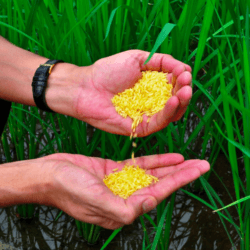
One method to eliminate micronutrient deficiencies is biofortification. Biofortification increases the nutritional value of crops through either selective breeding or genetic modification. Since it’s a popular staple crop, rice is a good target for biofortification; however, rice plants do not contain any vitamin A or vitamin A precursors, so selective breeding of rice cannot be used for biofortification. Scientists instead turned to genetic modification to reduce VAD, creating Golden Rice.
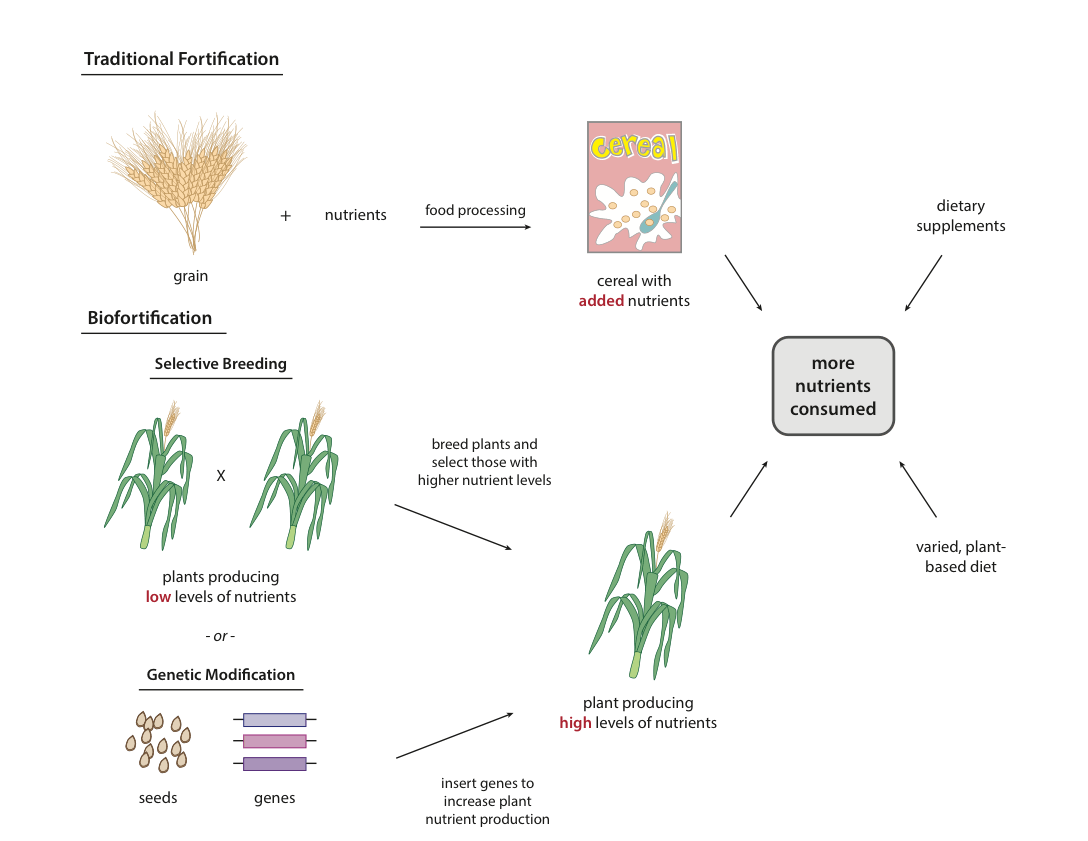
With VAD as a case study, we can compare traditional fortification/supplementation methods to biofortification. The arguments in favor of biofortification are cost and feasibility. With Golden Rice, the GM company Syngenta has agreed to provide free seeds to farmers making less than $10,000 per year (about 99% of the target population.) Once the farmers have seeds, further investment is unnecessary, as they can continue planting the seeds year after year.




Some groups, notably Greenpeace, argue that biofortification through genetic modification is not appropriate – instead we should be helping farmers learn to grow a variety of crops to improve their overall diet. But these types of programs are expensive and logistically difficult.
Malnutrition represents a silent epidemic in the developing world. Biofortification may not be a perfect solution to the problem of poverty in these countries, but it could greatly reduce the burden of disease.
Editor’s Note: This post is part of a series on GMOs in a special edition of the online magazine “Signal to Noise”, produced by Science in the News. You can read the entire series here: Signal to Noise Special Edition: GMOs and Our Food
The GLP aggregated and excerpted this blog/article to reflect the diversity of news, opinion and analysis. Read full, original post: Good as Gold: Can Golden Rice and Other Biofortified Crops Prevent Malnutrition?

























