The GLP aggregated and excerpted this blog/article to reflect the diversity of news, opinion and analysis.
Should labels be required for all food that contains genetically modified ingredients? Absolutely yes. But, not for the reason that is dividing Americans over GMOs.
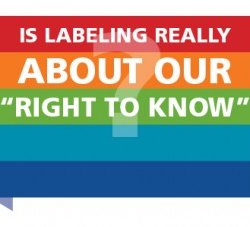
The case for labeling is tied up with arguments about safety. But that is entirely the wrong issue. The reason GMO food should be voluntarily labeled by the food industry is that some consumers want to know what they are eating and they have a right to know what is in their food.
Seeing the pro-GMO food industry fight labeling on the grounds that GMO food is safe is pathetic.
Think about the words that go onto food products now that have nothing to do with safety, or nutrition: ‘Baked fresh’; ‘immune support’; ‘whole grain’; ‘lower fat’; ‘great source of protein’; ‘made with real fruit’; not to mention ‘made in Italy, Vermont, Australia’ — and my favorite, ‘made with love’.


Arguing against including GMO labeling when we use these labels is like arguing that Donald Trump’s hairdo should not be made fun of because it is entirely his own hair.
Opponents of labeling need to end their opposition to letting people know what they want to know about their food. If the industry really believes that GMO food is fine — and I am in that camp — then slap a smiley-faced DNA helix on the package and promote the hell out of the fact that high-tech GMO is in most of your breakfast cereals, cooking oil, and frozen food.
It has been for well over a decade — and those who eat it don’t have a third eye. So, whether eating GMO food is, or is not, a big worry for you, demand a label right next to the announcement that elves made your cookies.
Read full, original post: GMO Foods Should be Labeled, But Not for Safety: Bioethicist