Biotech advocates misjudged depth of distrust of corporations

mr burns

The GLP aggregated and excerpted this blog/article to reflect the diversity of news, opinion and analysis.

What’s most puzzling to those of who have covered the GMO debate is how GMO advocates in the scientific community stepped into the fray. It’s as if they didn’t recognize the playing field they are on. Anti-GMO sentiment springs from 1) fear factors (fear of the unknown) and 2) industry distrust. When pro-GMO advocates decided in recent years to get serious about communicating with the public, did they not survey the landscape they would have to navigate?

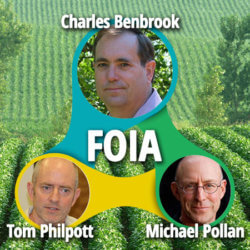
When I was reporting the FOIA requests made of biotech scientists story, I was struck by the indignation biotech scientists expressed.

By participating in an industry-funded site, you set yourself up for extra close scrutiny of your dealings. Are you not aware that people have legitimate reason to be suspicious of industry? 

To the best of my memory, every scientist I said this to waved me off. I got the, ‘yeah, but…” I never took any moneythe science is the science, regardless of industry association… Their collective cluelessness astonished me.
At first, Kevin Folta didn’t understand why his interactions with Monsanto caused a fuss. After all, he was right about the science, so what did it matter that industry just wanted to help him amplify the facts?

But Folta and his colleagues are realizing, belatedly, that science does not speak for itself. If they had given more thought to the legacy that makes some rightfully suspicious of industry, if they had been more attuned to the freakish GMO landscape they operate in as science communicators, might they have done things differently?

Read full, original post: On GMOs, Industry, Activists, Scientists, and Journalism

{{ reviewsTotal }}{{ options.labels.singularReviewCountLabel }}
{{ reviewsTotal }}{{ options.labels.pluralReviewCountLabel }}
{{ options.labels.newReviewButton }}
{{ userData.canReview.message }}

Related Articles

Infographic: Global regulatory and health research agencies on whether glyphosate causes cancer

Infographic: Global regulatory and health research agencies on whether glyphosate causes cancer

Does glyphosate—the world's most heavily-used herbicide—pose serious harm to humans? Is it carcinogenic? Those issues are of both legal and ...

Most Popular

Screenshot-2026-03-13-at-12.14.04-PM
The FDA wants to make many popular prescription drugs OTC—a great idea. Here’s why it’s unlikely to happen
Screenshot-2026-05-04-at-12.54.32-PM
How Utah became the country’s supplement capital  — and a haven for unregulated, ineffective and fake products
Screenshot-2026-04-20-at-2.26.27-PM
Viewpoint — Food-fear world: The latest activist scientists campaign: Cancer-causing additives
Screenshot-PM-24
Viewpoint: The herbicide glyphosate isn’t perfect. Banning it would be far worse.
images
The never-ending GMO debate: Pros and cons
Screenshot-2026-05-01-at-11.56.24-AM
‘Science moves forward when people are willing to think differently’: Memories of DNA maverick Craig Venter
Screenshot-2026-04-30-at-2.19.37-PM
5 myths about summer dehydration that could damage your health — or even kill you
Screenshot-2026-04-03-at-11.15.51-AM
Paraben panic: How a flawed study, media hype, and chemophobia convinced the public of the danger of one of the safest classes of preservatives
79d03212-2508-45d0-b427-8e9743ff6432
Viewpoint: The Casey Means hustle—Wellness woo opportunism dressed up as medical wisdom
ChatGPT-Image-May-1-2026-02_20_13-PM
How RFK, Jr.’s false vaccine claims are holding up $600 million to fight diseases in poor countries
bigstock opioids on chalkboard with rol
GLP podcast: 'Safe injection sites': enabling drug addiction or saving lives?
glp menu logo outlined

Get news on human & agricultural genetics and biotechnology delivered to your inbox.