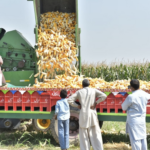
Genetic engineering could save UK’s ash trees

The GLP aggregated and excerpted this blog/article to reflect the diversity of news, opinion and analysis.

Genetically modified ash trees could replace the 80 million expected to die in the next 20 years from a deadly fungus, scientists have proposed.

With no hope of saving existing native ash trees from the “dieback” disease, a GM solution could develop resistance faster than traditional breeding and start to repopulate woodlands within a few years, say scientists at Queen Mary, University of London.

The fungus, Hymenoscyphus fraxineus (the disease is also known as chalara), has already wiped out 90% of ash trees in Denmark. It was first confirmed in the UK in 2012 and is expected to wipe out 90% of the ash population, which accounts for 20% of all UK trees.

“It’s early days,” said Richard Buggs, lecturer in biological sciences at Queen Mary, who is sequencing the ash tree genome. “We don’t want to invest a lot of effort in developing GM ash trees no one wants.”
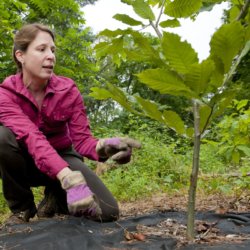

“I see GM as one of several possibilities to explore… but I have not formed conclusions on whether it is a good choice or not. My current research is not developing a GM ash; it is simply trying to find genes within the ash genus for resistance to ash dieback,” said Buggs.

“If we discovered that people did not want GM [ash] and rather had no ash there would be no point developing a GM ash… Potentially it could be quicker to develop GM trees resistant to ash dieback. Conventional breeding would take many decades,” he said.

A survey of 1,400 people revealed a mixed reaction to the prospect of GM ash trees, said Oxford University researcher Irina Arakelyan.

Read full, original post: With 90% of the UK’s ash trees about to be wiped out, could GM be the answer?

{{ reviewsTotal }}{{ options.labels.singularReviewCountLabel }}
{{ reviewsTotal }}{{ options.labels.pluralReviewCountLabel }}
{{ options.labels.newReviewButton }}
{{ userData.canReview.message }}

Related Articles

Infographic: Global regulatory and health research agencies on whether glyphosate causes cancer

Infographic: Global regulatory and health research agencies on whether glyphosate causes cancer

Does glyphosate—the world's most heavily-used herbicide—pose serious harm to humans? Is it carcinogenic? Those issues are of both legal and ...

Most Popular

ChatGPT-Image-Jun-19-2026-04_11_20-PM
Daubert for Dummies—Scientific Reliability in U.S. Courts: Daubert, Rule 702, and Made-for-Litigation Evidence
ChatGPT-Image-Jun-25-2026-01_14_50-PM
Viewpoint: Disinformation grift: The wellness industry is a lucrative and mostly worthless marketplace of ‘balms, brews, and baloney’
ChatGPT-Image-Jun-25-2026-12_23_17-PM
No, Bill Gates did not secretly engineer ticks to promote veganism
ChatGPT-Image-Mar-10-2026-01_39_01-PM
Viewpoint—“Miracle molecule” debunked: Why acemannan supplements don’t work
ChatGPT-Image-Jun-23-2026-12_19_35-PM
Ideological red flag: Led by anti-vax doctor, Tennessee is now the U.S. epicenter selling potent ivermectin shown worthless to prevent or treat Covid
Screenshot-2026-06-05-at-2.12.30-PM
Some plants can poison you. So how did humans figure out what is safe to eat?
Screenshot-2026-06-30-at-10.43.50-AM
Viewpoint: Why are there no approved bioengineered insect-protected (Bt) apples?
ChatGPT-Image-Mar-4-2026-09_39_03-AM
Transgender female athletes and Title IX: Separating ‘policy’ from ‘legality’
marijuana-pot-in-hand-nveri-st-xpm-t-abq-fkifeos-s-rws-cmpx-
Facts & Fallacies podcast: Legalized weed drives drug addiction, psychosis?
ChatGPT-Image-Jun-22-2026-01_30_11-PM
Facts & Fallacies podcast: Psychedelics for PTSD? Examining RFK, Jr's claims about ibogaine

Sorry. No data so far.

glp menu logo outlined

Get news on human & agricultural genetics and biotechnology delivered to your inbox.