The GLP aggregated and excerpted this blog/article to reflect the diversity of news, opinion and analysis.
It’s official: The World Health Organization has declared the Zika virus outbreak. . . a global health emergency. . . .
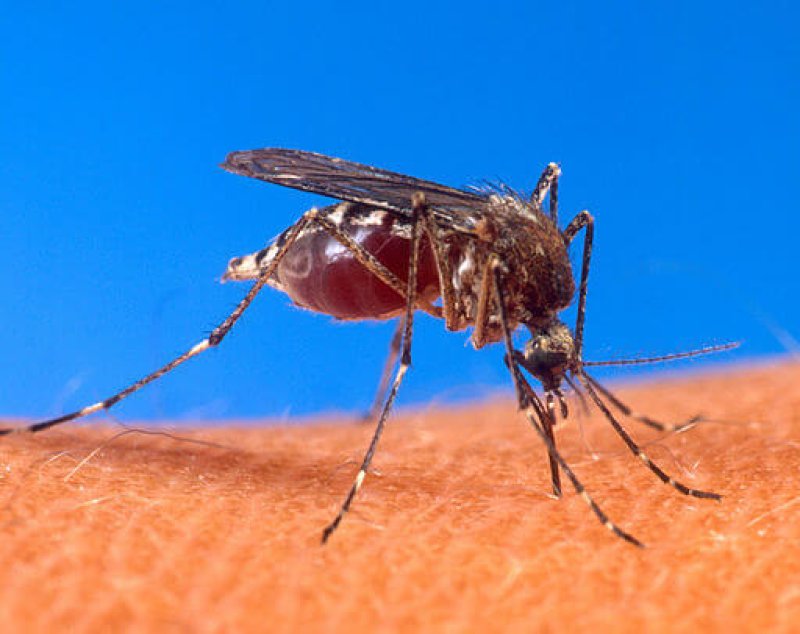
One potential, flashy solution for slowing Zika’s spread: releasing genetically modified mosquitoes designed to cause a population crash in Aedes aegypti mosquitoes, the species that carries Zika. . . .
The news made us wonder whether the Zika virus could change the conversation around . . . GMOs. GMOs are a controversial issue. . . the Zika outbreak in the Americas is extraordinary in many ways. “It’s new, it’s scary, it involves babies,” says Andrew Maynard, a researcher at Arizona State University who studies how people evaluate risk. “It hits on the key things that get people worried.” Will that be enough to turn the tide among anti-GMO folks?

Risk-evaluation researchers say predicting the response to a GMO is a tough task, but a few ideas can help us understand how the public might react to the use of genetically modified mosquitos during this Zika outbreak.
“We’re setting up a situation where people are going to be facing cognitive dissonance,” says Brian Zikmund-Fisher, a researcher at the University of Michigan who studies how people make health decisions. On the one hand, the public is going to want the Zika outbreak brought under control; on the other, some folks are not going to be happy seeing genetically modified mosquitoes released in their towns. Cognitive dissonance demands resolution, and we can expect to see people resolve their dissonance in one of several ways, ranging from changing their minds about GMOs altogether to discounting the effectiveness of genetically modified mosquitoes. There’s no empirical evidence to say which option people are most likely to choose, Zikmund-Fisher says.
Read full, original post: Will the Zika Virus Outbreak Change Minds About GMOs?