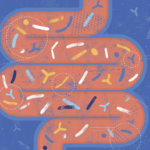
Engineered bacteria could be made into tiny, ingestible gut doctors

The GLP aggregated and excerpted this blog/article to reflect the diversity of news, opinion and analysis.

In his lab at Rice University synthetic biologist Jeff Tabor is creating a kind of Lilliputian naval academy. The midshipmen are so small they can’t be seen with the naked eye. But they’re part of a vital mission to protect U.S. naval forces from internal enemies, ranging from metabolic disorders to anxiety and depression.

In 2014 Tabor received a three-year grant from the U.S. Office of Naval Research (ONR) to genetically modify a harmless species of Escherichia coli bacteria normally found in the human gut. The goal is to create an edible probiotic organism that can hone in on developing disease and stave it off, even before symptoms take hold. He has recently succeeded in engineering E. coli with sensors that can detect the presence of chemicals signaling disease—at least in the mouse gut.
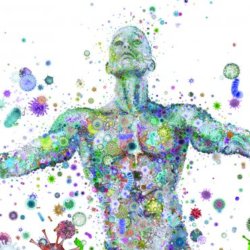
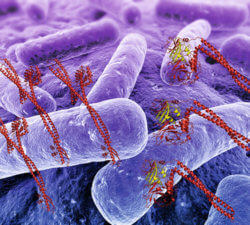
His ultimate aim is to design “a precision gut bacterium that manipulates the intestinal environment in humans to keep it healthy,” he says. This involves rewiring the genes of E. coli to transform the cells into predictable and reliable microbial medics loaded with engineered genetic circuits that can sense specific chemical disturbances and fire off a battery of molecules to neutralize them.  The cells would live only a short time in the gut, perhaps six hours or so, “just long enough to do their job,” Tabor says. Then they would die naturally or self-destruct.

Read full, original post: U.S. Navy Recruits Gut Microbes to Fight Obesity and Disease

Related Articles

Infographic: Global regulatory and health research agencies on whether glyphosate causes cancer

Infographic: Global regulatory and health research agencies on whether glyphosate causes cancer

Does glyphosate—the world's most heavily-used herbicide—pose serious harm to humans? Is it carcinogenic? Those issues are of both legal and ...

Most Popular

ChatGPT-Image-Mar-10-2026-01_39_01-PM
Viewpoint—“Miracle molecule” debunked: Why acemannan supplements don’t work
Screenshot-2026-09-28-at-11.26.17-AM
Viewpoint: Wellness movement activists reposition nicotine from a killer addictive drug into a cure-all for brain ills
Screenshot-2026-10-02-at-9.11.36-AM
The genetics of personality
strand of dna genetics
No, GMO foods do not “damage genes, natural disposition and hormones, or decrease physical health and intelligence”
Radioactive-Americana-Collage-2
The kooky logic behind the raft of spurious cancer claims from Harvard’s T.H. Chan School of Public Health
Screenshot-2026-10-02-at-8.56.38-AM
Trump finalizes Medicare drug price cuts, drawing Big Pharma’s fury and a legal challenge
Screenshot-2026-10-01-at-10.52.08-AM
Non-browning CRISPR gene-edited bananas move one step closer to British markets
Screenshot-2026-10-02-at-11.12.24-AM
‘Why do we keep falling for this stuff?’ America’s love affair with snake oil salesmen and scams
Screenshot-2026-09-22-at-10.54.12-AM
‘They misunderstand science’: Research attempting to tie autism to changes in the gut microbiome comes under fire
AI-Force-Leadership-Portrait
Jay Clayton controversy: The divisive history of Trump’s newly-appointed AI czar
ChatGPT-Image-Sep-21-2026-11_21_39-AM
Viewpoint: Food cults: Online ‘nutrition communities’ can pose unique dangers
glp menu logo outlined

Get news on human & agricultural genetics and biotechnology delivered to your inbox.