Is musical talent in your genes?

Screen Shot at AM

The GLP aggregated and excerpted this blog/article to reflect the diversity of news, opinion and analysis.

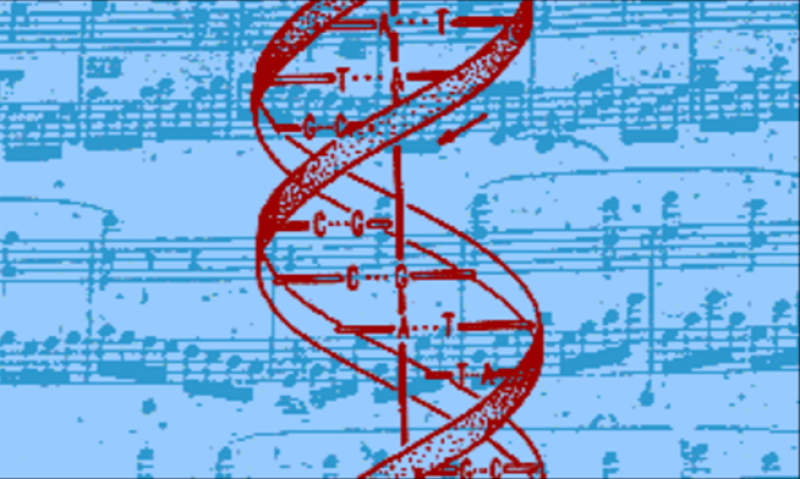
Creativity is a hard trait to explain – particularly when it comes to trying to figure out how much of it is determined by our environment, and how much is passed down by our parents. Now research has shown that up to 30 percent of a musician’s ability to compose and arrange music can be explained by genes – suggesting that the skills can, to a certain extent, be inherited.

That’s great news for everyone with musically gifted parents, but not terrible for the rest of us either, because the study suggests that 70 percent of composition talent is still in our hands. But what’s even more interesting is the research also isolated the genes involved in these skills, and discovered a specific biological pathway that could allow some people to write music like a second language, while the rest of us can barely hum a theme song.

To be clear, the study had its limitations – namely the fact that it only involved just under 300 individuals in Finland, who all self-reported their composition abilities (which is just asking for exaggeration).


But the chromosome regions that appeared to be linked to the ability to compose and arrange music are already known to be associated with musical appreciation and creativity, and they offer a solid starting point from which to study the biological basis of the skills further.

Read full, original post: Not everyone has the ability to compose music, and your genes could explain why

{{ reviewsTotal }}{{ options.labels.singularReviewCountLabel }}
{{ reviewsTotal }}{{ options.labels.pluralReviewCountLabel }}
{{ options.labels.newReviewButton }}
{{ userData.canReview.message }}

Related Articles

Infographic: Global regulatory and health research agencies on whether glyphosate causes cancer

Infographic: Global regulatory and health research agencies on whether glyphosate causes cancer

Does glyphosate—the world's most heavily-used herbicide—pose serious harm to humans? Is it carcinogenic? Those issues are of both legal and ...

Most Popular

Screenshot-2026-06-05-at-2.12.30-PM
Some plants can poison you. So how did humans figure out what is safe to eat?
Credit: ACSH
Viewpoint: Who and what’s to blame for the surge in vaccine-preventable diseases?
Organic-Produce
Viewpoint: Why you should ignore organic food advocates’ advice to avoid ‘pesticide soaked’ conventional fruits and vegetables
ChatGPT-Image-Jun-5-2026-01_17_48-PM
GLP-1 weight-loss drugs may reshape our desires and emotions
Screenshot-2026-06-05-at-11.12.44-AM
‘Protecting religious liberty and parental authority’: Challenging expert guidance, Trump signs off on Kennedy’s gutting of childhood vaccine schedule
Screenshot 2026-06-05 at 12.14
‘Nicotine-free generation’: Should the U.S. emulate Britain and ban all nicotine products, from cigarettes to vapes?
ChatGPT-Image-Mar-10-2026-01_39_01-PM
Viewpoint—“Miracle molecule” debunked: Why acemannan supplements don’t work
Screenshot 2026-05-26 at 10.15
Viewpoint: Double standard—Why does the wellness industry get a free pass while Big Healthcare is treated as morally suspect?
Screenshot-2026-06-04-at-12.05.08-PM
Cases of brain inflammation surge as U.S. measles pandemic approaches 2000
ChatGPT-Image-Jun-4-2026-11_49_36-AM-2
‘You don’t understand Tolkien’: Skeptic Pope trolls tech giants about the exaggerated, risk-less benefits of AI
ChatGPT-Image-May-26-2026-07_51_21-AM-2
Viewpoint: There are more than 1,000 chemicals in a cup of coffee—including many substances that can cause cancer. Why isn’t it banned?
Picture1
Sounds we can’t hear — the hidden planetary signals behind science, fear, and misinformation
edb7f6d7-2370-418f-9578-74e29678e35c
Facts & Fallacies Podcast: Nicotine vaping—public health miracle, or risk to children? Professor Cliff Douglas
glp menu logo outlined

Get news on human & agricultural genetics and biotechnology delivered to your inbox.