Who owns your DNA? Obama weighs in

The GLP aggregated and excerpted this blog/article to reflect the diversity of news, opinion and analysis.

President Obama has waded into the complex and high-stakes debate over whether patients own their genetic information, saying that he believes that his tissues and any discoveries that stem from his DNA belong to him.

“I would like to think that if somebody does a test on me or my genes, that that’s mine, but that’s not always how we define these issues,” Mr. Obama said during a White House forum on a major biomedical research initiative he began last year.

The president said that the success of his Precision Medicine Initiative, which aims to collect genetic data on one million American volunteers so scientists can develop drugs and treatments tailored to individual patients, hinged at least in part on “understanding who owns the data.”

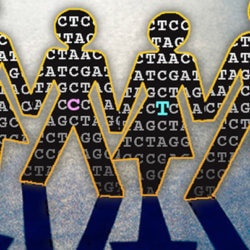
Many researchers and the universities and medical centers that back them regard genetic material and the results from tests they conduct on it as their intellectual property and are reluctant to share it. But consumer groups and some health advocacy organizations believe that individuals are the rightful owners of the data and the discoveries that emanate from them.

Advances in genetics and cell biology and the use of electronic medical records have paved the way for more sophisticated research into genes that may increase the risk of developing certain diseases. The debate over such research has broad implications for privacy and the success of precision medicine efforts, which depend on access to troves of genetic data.

Read full, original post: President Weighs In on Data From Genes

Related Articles

Infographic: Global regulatory and health research agencies on whether glyphosate causes cancer

Infographic: Global regulatory and health research agencies on whether glyphosate causes cancer

Does glyphosate—the world's most heavily-used herbicide—pose serious harm to humans? Is it carcinogenic? Those issues are of both legal and ...

Most Popular

ChatGPT-Image-Mar-10-2026-01_39_01-PM
Viewpoint—“Miracle molecule” debunked: Why acemannan supplements don’t work
Supplement Rain Wellness Illustration
Viewpoint: Bedeviled by “toxic inflammation”? How wellness grifters turn this scientific gray zone into a supplement jackpot
Teal Hexagon Technology Icons
4 key ways the Blue Wave will upend science policy
Aerial Sprayer Over Gradient Fields
Farming, food, and chemicals: Post-midterms, the MAHA alliance between Democrats and MAGA Republicans is bruised but not cowed. What comes next?
Confident Doctor in Clinical Setting
More than 80% of ‘pro-science’ candidates were swept into office. Will they have a policy impact?
Stacked Protest Signs on Concrete Ledge
Voters hate AI data centers, yet they are crucial to establishing a critical technology. So what’s next?
Wave Crest Over Red Cross
Viewpoint: Here are the election-inspired Trump administration healthcare policy reversals expected in the coming months
Protect-Womens-Sports-at-the-Capitol
Blue, purple and red states passed or reaffirmed bans on trans females competing in women’s sports
Microscopic IVF Egg Injection
With technical barriers to human embryo editing falling, ethical concerns escalate
Democratic Donkey Plowing at Sunset
Viewpoint: Democratic tsunami: As the red tide recedes, here are the most likely shifts in food and agricultural policy
Screenshot-2026-11-05-at-1.20.54-PM
$7.35 billion PFAS settlement: 3M to pay people who blame health problems on ‘forever chemicals’ phased out of firefighting foam for more than 20 years
glp menu logo outlined

Get news on human & agricultural genetics and biotechnology delivered to your inbox.