The GLP aggregated and excerpted this blog/article to reflect the diversity of news, opinion and analysis.
. . . .If you examine what the advocates of labeling are really saying and if you study the legal language they’re promoting, it’s clear that anti-GMO sentiment goes well beyond the facts. “[W]e’re not advocating labeling because we believe GM crops are unsafe,” says Gary Hirshberg, chairman of both the organic yogurt producer Stonyfield Farm and the organic-industry–backed advocacy group Just Label It. . . .
The movement Hirshberg represents makes assertions about public health but draws its energy from public values. . . it builds from intuitions rather than observations, from apprehensions rather than data, and from theology rather than epidemiology. Avoidance of genetically modified foods is more religious than rational: It’s a cultural taboo akin to keeping kosher, based on core beliefs about purity and the natural order. . . .
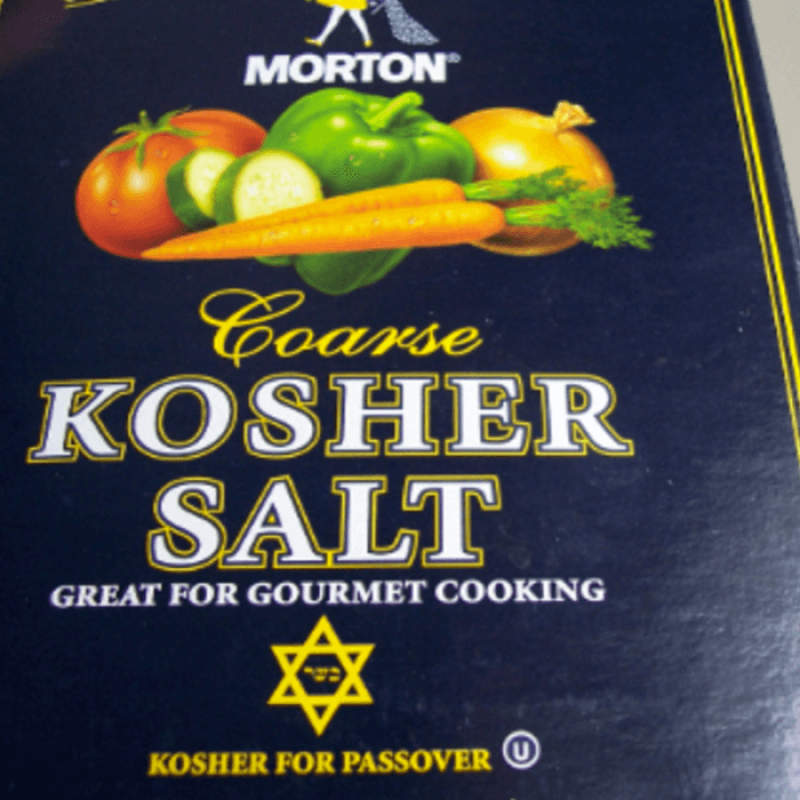
Consumers with kosher or anti-GMO beliefs share a set of common interests. Both hold religious or quasi-religious views about the sanctity of food and demand transparency about agricultural practices and other modes of food production. The two groups also share a common problem: The products they want are indistinguishable, on the supermarket shelf, from the products they shun. . .

So why not treat GMO labeling the way we treat kosher designations? Instead of putting out a mandate for GMO labeling—which feels more like an imposition of religion than preservation of its freedom—regulators should spend their time reducing the risk of label fraud. As with kosher regulation, they could ensure that any voluntary scheme for marketing foods as “GMO-free” is honest and consistent. If we want to keep our kitchens clear of genetic engineering—if we choose to worship one specific way of growing plants and animals—then that should be our right.
Read full, original post: Label Thumpers