Microbiome remains malleable after birth

microbiome

The GLP aggregated and excerpted this blog/article to reflect the diversity of news, opinion and analysis.

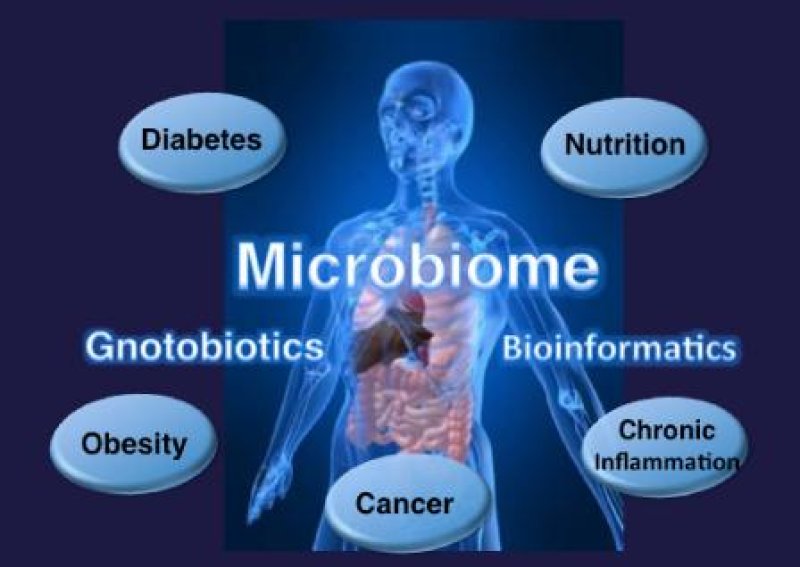
Trillions of bacteria – and other tiny single-celled organisms, such as archaea and protozoa – live in our bodies, largely in our gut. They’re estimated to outnumber the actual cells of “our” bodies.

This ecosystem of tiny creatures we carry around with us is thought to have profound effects on our health.

The Human Microbiome Project says that the makeup of an animal’s microbiome has an impact on its immune systems, heart health, and behaviour, among other things.

It’s thought that early life events, notably birth and breastfeeding, might affect our microbiomes. People who are born by caesarean section seem to be slightly more at risk of obesity, asthma, and some immune conditions. It’s thought that being born vaginally exposes the child to the mother’s microbes. It’s a similar story with breastfeeding.

Now a new study has found that the effects of these early events don’t last as long as previously thought.

The Flemish Gut Flora Project (FGFP) looked at the intestinal microbiomes of more than 1,000 people. “We studied the microbiota of adult individuals in Belgium,” Dr Jeroen Raes, one of the study’s authors, told BuzzFeed News. “It’s one of the largest studies worldwide.”

The study found found no difference in the diversity of the microbiomes of adults who’d been born via caesarean and adults who hadn’t. Similarly, breastfeeding seemed to make no difference.

Read full, original post: The “Friendly” Bacteria In Your Gut Isn’t As Set At Birth As We Thought

{{ reviewsTotal }}{{ options.labels.singularReviewCountLabel }}
{{ reviewsTotal }}{{ options.labels.pluralReviewCountLabel }}
{{ options.labels.newReviewButton }}
{{ userData.canReview.message }}

Related Articles

Infographic: Global regulatory and health research agencies on whether glyphosate causes cancer

Infographic: Global regulatory and health research agencies on whether glyphosate causes cancer

Does glyphosate—the world's most heavily-used herbicide—pose serious harm to humans? Is it carcinogenic? Those issues are of both legal and ...

Most Popular

Screenshot 2026-05-06 at 2.56
Singularity crisis ahead? Can super babies save us from rogue AI geniuses?
Screenshot-2026-03-13-at-12.14.04-PM
The FDA wants to make many popular prescription drugs OTC—a great idea. Here’s why it’s unlikely to happen
Screenshot-2026-04-20-at-2.26.27-PM
Viewpoint — Food-fear world: The latest activist scientists campaign: Cancer-causing additives
Screenshot-PM-24
Viewpoint: The herbicide glyphosate isn’t perfect. Banning it would be far worse.
Screenshot-2026-05-01-at-11.56.24-AM
‘Science moves forward when people are willing to think differently’: Memories of DNA maverick Craig Venter
images
The never-ending GMO debate: Pros and cons
Screenshot-2026-04-03-at-11.15.51-AM
Paraben panic: How a flawed study, media hype, and chemophobia convinced the public of the danger of one of the safest classes of preservatives
Screenshot-2026-04-30-at-2.19.37-PM
5 myths about summer dehydration that could damage your health — or even kill you
Screenshot-2026-05-01-at-1.29.41-PM
Viewpoint: What happens when whole grains meet modern food manufacturing? Labels don’t tell the whole story.
79d03212-2508-45d0-b427-8e9743ff6432
Viewpoint: The Casey Means hustle—Wellness woo opportunism dressed up as medical wisdom
Screenshot-2026-05-06-at-2.07.43-PM
Manufacturing a conspiracy: The timeline of how  the White House embraced the fringe claim that scientists are being mysteriously murdered
glp menu logo outlined

Get news on human & agricultural genetics and biotechnology delivered to your inbox.