Rising CO2 levels makes pollen less nutritious for bees, may contribute to colony collapse

Screen Shot at PM
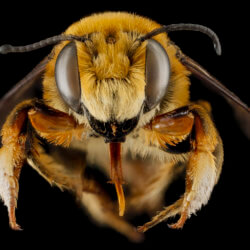
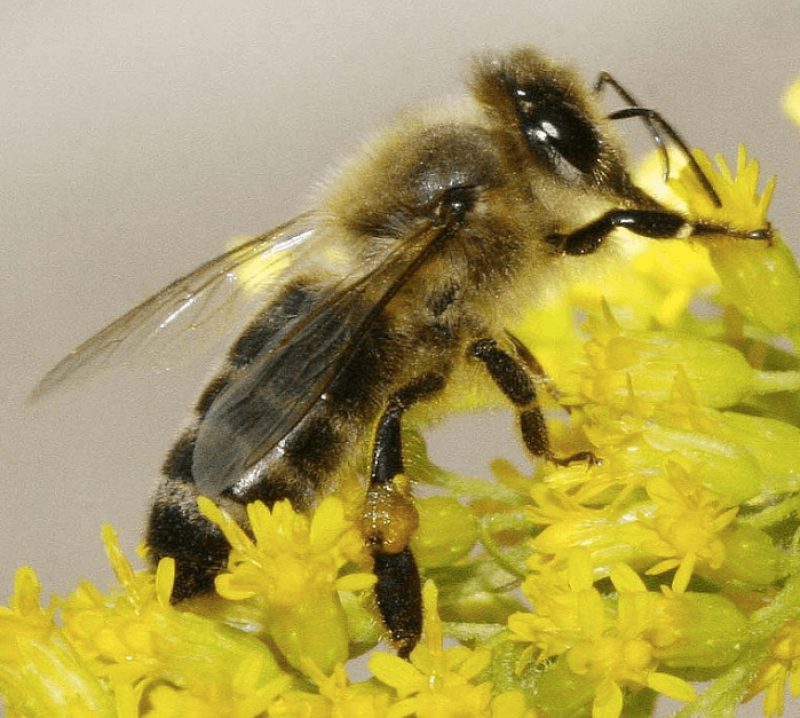
Photo by Mike Phobos

The GLP aggregated and excerpted this blog/article to reflect the diversity of news, opinion and analysis.

. . . [S]cientists testing the pollen content from goldenrod collected between 1842 and 2014, when atmospheric concentrations of carbon dioxide rose from about 280 parts per million to 398 ppm, found the most recent pollen samples contained 30 percent less protein. . . .

More than 100 previous studies have shown that elevated levels of atmospheric carbon dioxide decrease the nutritional value of plants, such as wheat and rice. But the goldenrod study, published last month, was the first to examine the effects of rising CO2 on the diet of bees, and its conclusions were unsettling: The adverse impact of rising CO2 concentrations on the protein levels in pollen may be playing a role in the global die-off of bee populations by undermining bee nutrition and reproductive success.

. . . .

A number of new and accumulating pressures are threatening bee populations. From 2006 to 2011, annual losses from managed honeybee colonies averaged 33 percent per year in the United States, according to the USDA. Beekeepers have had to replace 50 percent of their colonies in recent years. Factors such as mite outbreaks and the use of neonicotinoid pesticides have been implicated in so-called “colony collapse disorder.”

“I am not saying that understanding neonicotinoids or Varroa mites is not important, but I am saying that how bees respond to these stressors might have something to do with their nutrition,” says Lewis Ziska, a plant physiologist at the USDA Research Service in Maryland and lead author of the study. “If we are mucking around with their nutrition, all these other responses could be affected.”

Read full, original post: How Rising CO2 Levels May Contribute to Die-Off of Bees

Related Articles

Infographic: Global regulatory and health research agencies on whether glyphosate causes cancer

Infographic: Global regulatory and health research agencies on whether glyphosate causes cancer

Does glyphosate—the world's most heavily-used herbicide—pose serious harm to humans? Is it carcinogenic? Those issues are of both legal and ...

Most Popular

Screenshot-2026-09-20-at-9.03.54-AM
From Malaysia to the world: A pioneering science communicator reimagines global science communication for a digital age
Screenshot-2026-09-16-at-2.26.42-PM
Viewpoint: How to ecologically damage America’s forests: Ban glyphosate
ChatGPT-Image-Mar-10-2026-01_39_01-PM
Viewpoint—“Miracle molecule” debunked: Why acemannan supplements don’t work
ChatGPT-Image-Sep-17-2026-12_28_43-PM
Vitamin D, omega-3 fish oil and glucosamine supplements could cause brain damage 
Screenshot-2026-09-20-at-4.31.28-PM
White House drafting executive order to control what OMB Director Vought claims are “woke” NIH science grants
ChatGPT-Image-Sep-20-2026-04_22_32-PM
What’s Trump’s ‘AI Force’? Administration rushes to announce ill-defined watchdog agency and czar amid criticism of its resistance to curb AI acceleration
Screenshot-2026-08-12-at-11.31.46-AM
AI is helping develop new vaccines
Screenshot-2026-08-19-at-6.19.42-PM
Facts & Fallacies podcast: 'Regenerative farming'? RFK Jr.’s federal push romanticizes the past and risks food security
Screenshot-2026-09-14-at-4.31.14-PM
Viewpoint: What’s the likely impact when the EPA loosens rules limiting methane pollution from oil and gas wells?
ChatGPT-Image-Aug-28-2026-03_33_46-PM
Viewpoint: Bad science—Five bogus Trump administration claims about vaccines and autism
ChatGPT-Image-Sep-18-2026-10_49_24-AM
‘Symptom borrowing’: Young people are copying health problems they see on TikTok
Screenshot-2026-09-10-at-12.20.19-PM
'Jet fuel didn't melt the steel': 9/11 conspiracy theories debunked
glp menu logo outlined

Get news on human & agricultural genetics and biotechnology delivered to your inbox.