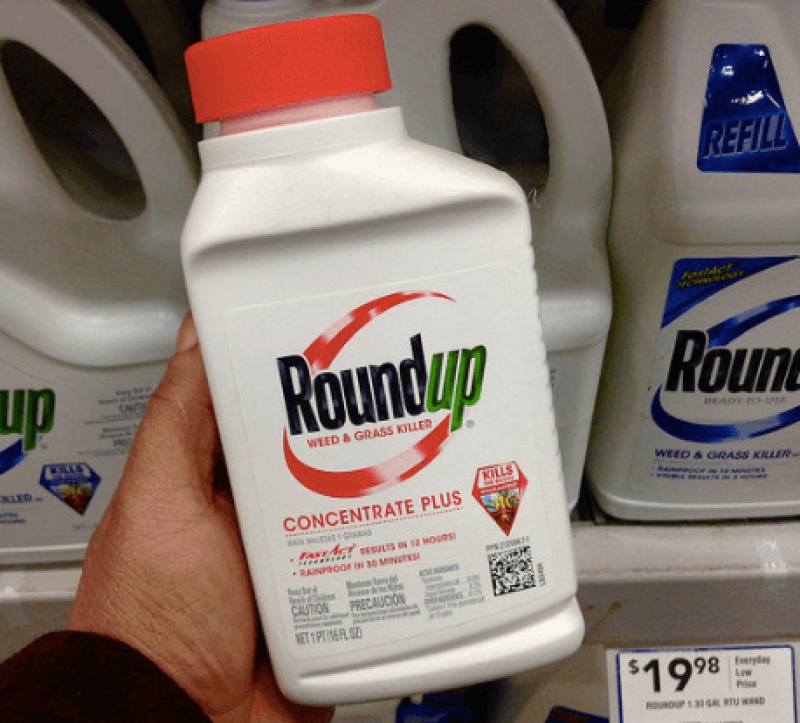
Contradicting IARC, World Health Organization says glyphosate unlikely to cause cancer

Screen Shot at AM
Photo by Mike Mozart

The GLP aggregated and excerpted this blog/article to reflect the diversity of news, opinion and analysis.

The pesticide glyphosate. . . is unlikely to cause cancer in people, according to a new safety review by United Nations health, agriculture and food experts.

In a statement likely to intensify a row over its potential health impact, experts from the U.N.’s Food and Agriculture Organization (FAO) and World Health Organization (WHO) said glyphosate is “unlikely to pose a carcinogenic risk to humans” exposed to it through food. It is mostly used on crops.

. . . .

“In view of the absence of carcinogenic potential in rodents at human-relevant doses and the absence of genotoxicity by the oral route in mammals, and considering the epidemiological evidence from occupational exposures, the meeting concluded that glyphosate is unlikely to pose a carcinogenic risk to humans from exposure through the diet,” the committee said.

. . . .

The conclusions appear to contradict a finding by the WHO’s Lyon-based International Agency for Research on Cancer (IARC), which in March 2015 said glyphosate is “probably” able to cause cancer in humans and classified it as a ‘Group 2A’ carcinogen.


. . . .

In a question-and-answer document issued alongside the joint FAO/WHO statement, the WHO denied that the conclusions by the joint group and by IARC were contradictory. It said they were “different, yet complementary”. . .

“IARC reviews published studies to identify potential cancer hazards,” the WHO said. “It does not estimate the level of risk to the population associated with exposure to the hazard.”

In contrast, it said, the joint FAO/WHO committee looks at published and unpublished studies to assess the health risk to consumers from dietary exposure to pesticide residues in food.

Read full, original post: U.N. experts find weed killer glyphosate unlikely to cause cancer

Related Articles

Infographic: Global regulatory and health research agencies on whether glyphosate causes cancer

Infographic: Global regulatory and health research agencies on whether glyphosate causes cancer

Does glyphosate—the world's most heavily-used herbicide—pose serious harm to humans? Is it carcinogenic? Those issues are of both legal and ...

Most Popular

ChatGPT-Image-Mar-10-2026-01_39_01-PM
Viewpoint—“Miracle molecule” debunked: Why acemannan supplements don’t work
Prescription Capsules Scattered on Twenty-Dollar Bills
Facts & Fallacies podcast: America's health care system is broken. A doctor explains how to fix it, Part 2
Screenshot-2026-10-12-at-10.44.38-AM
Widely condemned as unethical, hepatitis B vaccine study funded by RFK Jr’s CDC gets a final greenlight
Screenshot-2026-10-08-at-10.41.33-AM
Viewpoint: Wellness patches: Most vitamin supplements are useless and sometimes even dangerous, but this craze is even worse
newborn baby spit up gerd
Vaccine-preventable congenital infections are a leading driver of autism
Cross and Syringe Standoff
Viewpoint: Hijacking Jesus: How anti-vaccine fanatics are exploiting religious exemptions and killing children
Deepfake Democracy Media Mosaic
31 states have passed a patchwork of laws to limit election deepfake commercials. They’re not working very well.
Screenshot-2026-10-14-at-11.45.36-AM
Viewpoint: RFK Jr.’s stacked FDA advisory council endorses multicancer screening test from ethically- questionable company that would increase false positives and waste billions of dollars
ChatGPT-Image-Sep-2-2026-02_03_32-PM
How much of a problem is AI’s water use?
Screenshot-2026-10-15-at-12.13.33-PM
Ahead of the midterms, Meta has paid at least 29 anti-LGBTQ accounts for their posts
glp menu logo outlined

Get news on human & agricultural genetics and biotechnology delivered to your inbox.