Could genetic tinkering with plant photosynthesis increase global food supply?

FOOD superJumbo
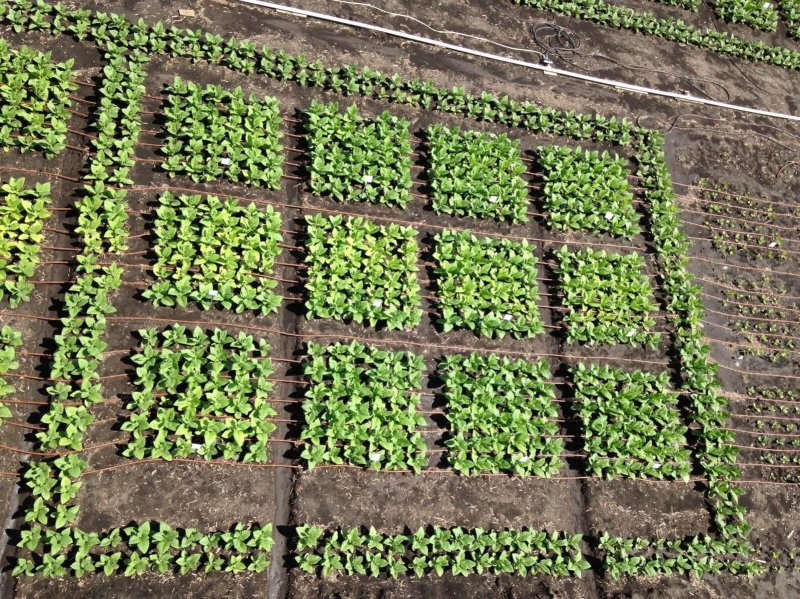
Scientists at the University of Illinois used tobacco because it is a particularly fast and easy plant to use when trying new genetic alterations. They hope food crops will also be successful. via NY Times

A decade ago, agricultural scientists at the University of Illinois suggested a bold approach to improve the food supply: tinker with photosynthesis…

The idea was greeted skeptically in scientific circles…[but] after several years of work funded by the [Bill and Melinda Gates Foundation,] the scientists are reporting a remarkable result.

Using genetic engineering techniques to alter photosynthesis, they increased the productivity of a test plant — tobacco — by as much as 20 percent, they said [Nov. 17] in a study published by the journal Science.

…their plan is to try the same alterations in food crops, and one of the leaders of the work believes production gains of 50 percent or more may ultimately be achievable.

…
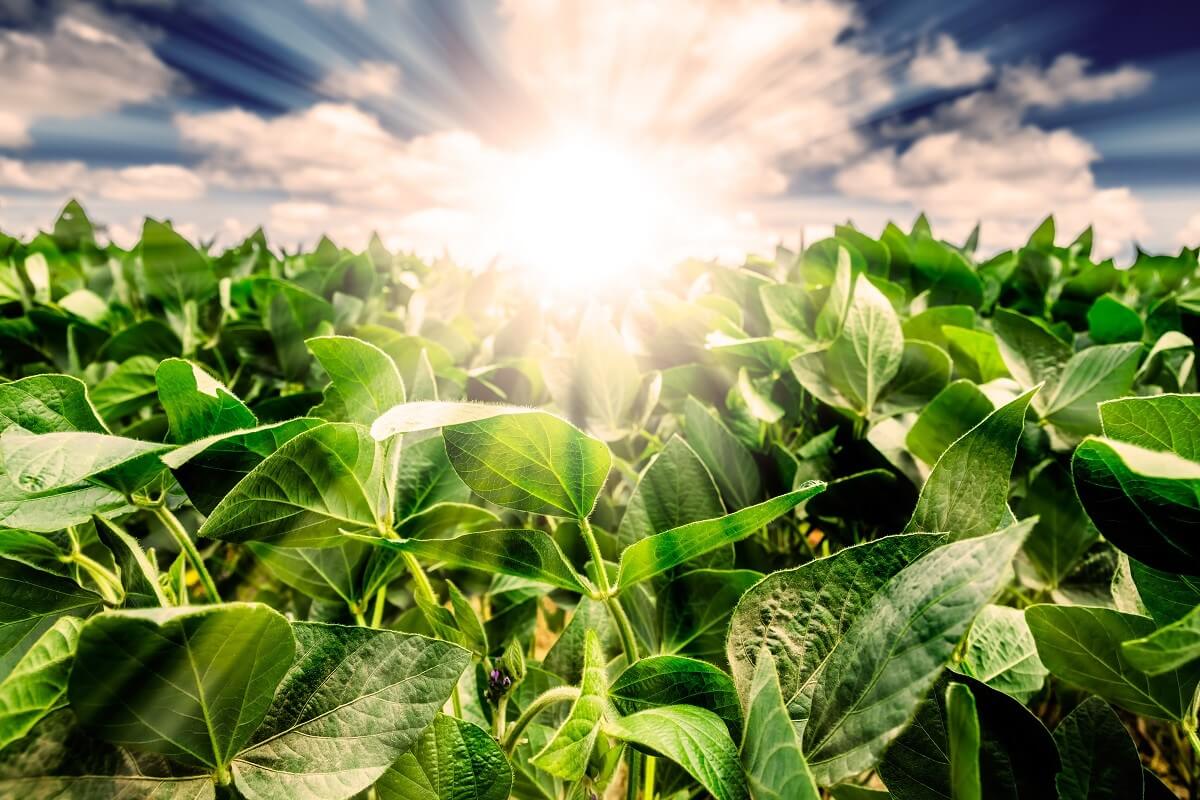
Two outside experts not involved in the research…emphasized that the researchers had not yet proved that the food supply could be increased.

…

The work is, in part, an effort to secure the food supply against the possible effects of future climate change…more efficient crop plants could potentially make the food system more resilient, Dr. Long said…

The GLP aggregated and excerpted this blog/article to reflect the diversity of news, opinion and analysis. Read full, original post: With an Eye on Hunger, Scientists See Promise in Genetic Tinkering of Plants


Related Articles

Infographic: Global regulatory and health research agencies on whether glyphosate causes cancer

Infographic: Global regulatory and health research agencies on whether glyphosate causes cancer

Does glyphosate—the world's most heavily-used herbicide—pose serious harm to humans? Is it carcinogenic? Those issues are of both legal and ...

Most Popular

ChatGPT-Image-Mar-10-2026-01_39_01-PM
Viewpoint—“Miracle molecule” debunked: Why acemannan supplements don’t work
ChatGPT-Image-Sep-23-2026-02_36_39-PM
Viewpoint: After firing the entire National Science Board, Trump reshapes funding initiatives. Here’s the good and the bad.
ChatGPT-Image-Sep-10-2026-10_36_07-AM
Viewpoint: Even lousy scientific articles can shield authors when they hype dubious health claims and products
generated-1790707585414
Facts & Fallacies podcast: America's health care system is broken. A doctor explains how to fix it
ChatGPT-Image-Sep-21-2026-03_15_09-PM
Viewpoint: Chipotle-inspired lesson: 10,000 sick customers suggest that processed foods can be safer than fresh ones
ChatGPT-Image-Sep-21-2026-11_54_00-AM
Viewpoint: Activist environmental NGOs are turning from public funding to activist billionaires to support their campaigns. It won’t end well.
Screenshot 2026-08-12 at 1.22
Activists vs. Scientists: Could “Butterfly Effect” fears derail gene-drive research targeting the flesh-eating screwworm?
Screenshot-2026-09-16-at-10.27.33-AM
Viewpoint: SCOTUS poised to address First Amendment tension between mandatory vaccines, children’s health and religious freedom 
sorghum farmers in kenya FARMERS TREND
Here are all the ways CRISPR gene editing is transforming Africa’s staple crops—and there’s a lot more innovation to come
glp menu logo outlined

Get news on human & agricultural genetics and biotechnology delivered to your inbox.