Snapshots of patients’ faces may help identify genetic diseases

Screen Shot at PM

Many genetic conditions have a “face”—a distinctive constellation of features that provides a clue to a potential diagnosis. But identifying disease by observing a patient’s features, a practice known as dysmorphology, is one of geneticists’ biggest challenges.

The most skilled dysmorphologists tend to be older doctors who’ve been around the block, which makes sense; the more patients you see over a lifetime, the more features you observe. But even the most experienced practitioners haven’t laid eyes on every disease out there.

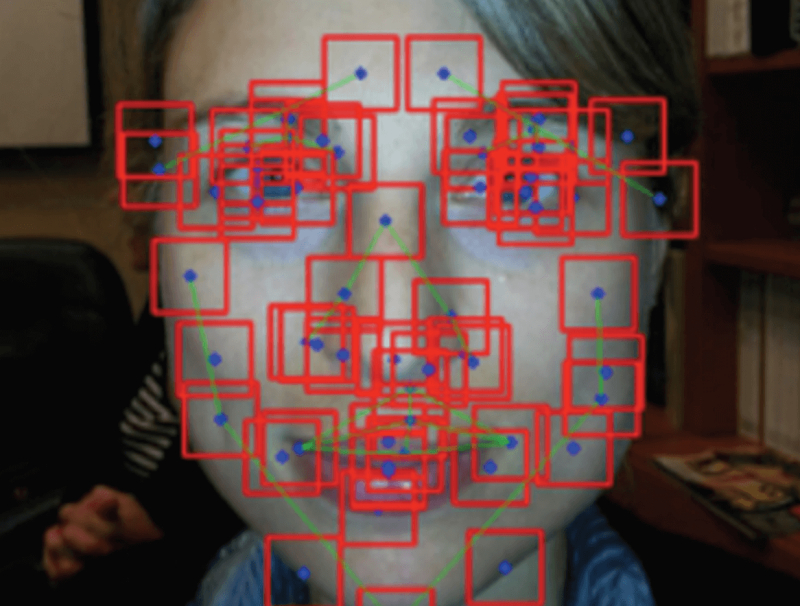
Face2Gene, a facial recognition software tool, can aid in rare disease diagnosis. Face2Gene compares pictures of a patient’s face with those of disease composites and returns a series of potential diagnoses, from most plausible to least.
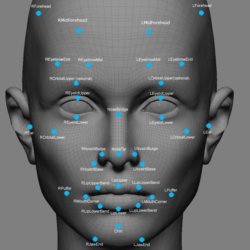

Of the more than 7,000 known genetic syndromes, Face2Gene estimates that up to half have a distinct facial pattern that can be learned and used for diagnosis. Down syndrome, for example, is among the most common and is therefore easier to diagnose. But rarer conditions can prove more challenging.

The GLP aggregated and excerpted this blog/article to reflect the diversity of news, opinion, and analysis. Read full, original post: Diagnosing Disease with a Snapshot

Related Articles

Infographic: Global regulatory and health research agencies on whether glyphosate causes cancer

Infographic: Global regulatory and health research agencies on whether glyphosate causes cancer

Does glyphosate—the world's most heavily-used herbicide—pose serious harm to humans? Is it carcinogenic? Those issues are of both legal and ...

Most Popular

ChatGPT-Image-Aug-4-2026-10_15_14-AM
Viewpoint—A hard look at the Fauci diaries: Do they change what we know about COVID’s origins?
ChatGPT-Image-Mar-10-2026-01_39_01-PM
Viewpoint—“Miracle molecule” debunked: Why acemannan supplements don’t work
Picture1
Hiroshima at 81: America’s new nuclear bomb, a buried Iranian target, and a question no one wants to ask
ChatGPT-Image-Aug-4-2026-12_42_58-PM
Viewpoint: Fact-checking CNN interview with RFK, Jr. underscores the depth of his disinformation delusions
png livestock cow cattle a
Consumer skepticism about gene-edited milk is neither fixed nor particularly high—and falls even more if it’s priced lower
ChatGPT-Image-Jul-17-2026-09_50_27-AM
Viewpoint: How disease tracking and prevention has cratered under the Kennedy-Trump administration
ChatGPT-Image-Aug-4-2026-07_52_00-PM
No liability for scientific due diligence: California Supreme Court rejects bizarre lawsuit faulting Gilead for fully evaluating HIV drug before release
ChatGPT-Image-Aug-4-2026-09_31_50-AM-2
Viewpoint: Could the U.S. become dependent on China to develop critical new genetic and drug therapies?
ChatGPT-Image-Jul-31-2026-07_35_35-AM
Wikipedia has assembled an informative list of fake news websites from across the ideological spectrum
ChatGPT-Image-Aug-4-2026-02_05_46-PM
Does Congress have the guts to successfully challenge Trump’s politicization of science funding?
Screenshot-2026-07-31-at-10.52.03-AM
Love sweets and fatty foods? You can blame your genes, but there are ways to quell the obsessions
Screenshot-2026-07-17-at-1.34.59-PM
Poll: Vaccine hesitancy soars when patients distrust health providers and turn to social media
glp menu logo outlined

Get news on human & agricultural genetics and biotechnology delivered to your inbox.